
























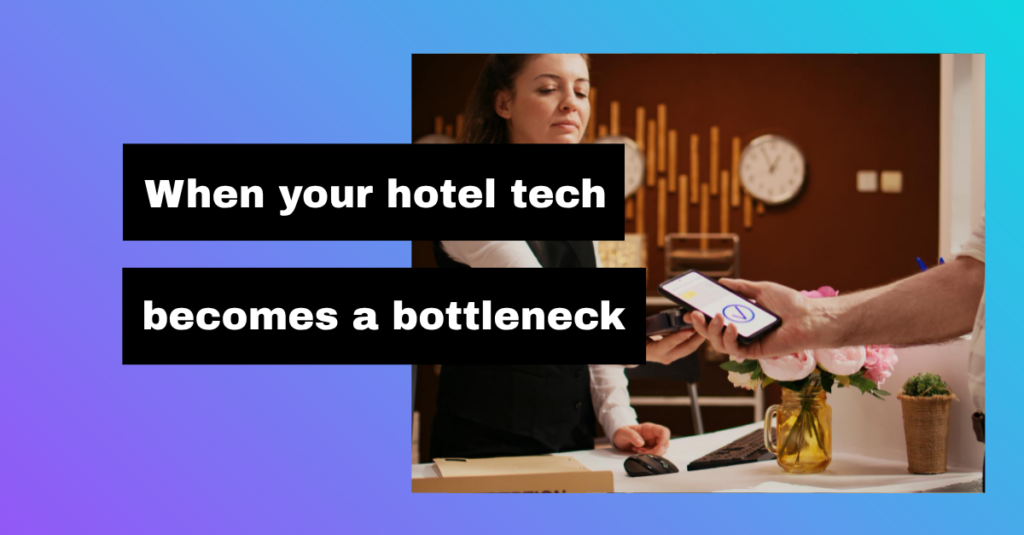
Those in the hotel industry already know where the real pressure comes from. The real sign is when the system makes the team work harder than they need to, and when it impacts your team it impacts your guests too.
Where the real opportunity sits
Most hotels reach a point where the systems are doing their job, but not quite doing it together. You notice it in the way your staff adapt. A quick workaround here, a double check there. None of it is a catastrophe; it’s simply the point where you realise your team is struggling with the gaps between systems.
The biggest wins rarely come from replacing everything; they come from making sure the systems you already have work together properly.
The reality of the single-vendor promise
Operators across the industry are seeing the same pattern. One platform may appear efficient, but it often limits flexibility and slows innovation. A lifestyle-driven hotel brand operates at a speed that many legacy platforms were never designed to support. In an 18-hotel portfolio, those gaps multiply, and the impact becomes impossible to ignore.
“You can’t deliver a five-star experience with a two-star system.”
Front office, housekeeping, revenue management, distribution, restaurants, bars, room service, and events all move quickly, and the technology needs to keep up. Menus change, stock moves, guests order from multiple touchpoints, and payments need to be fast and reliable. When the system cannot keep up, the guest experience is the first thing to feel the strain.
What guests expect today
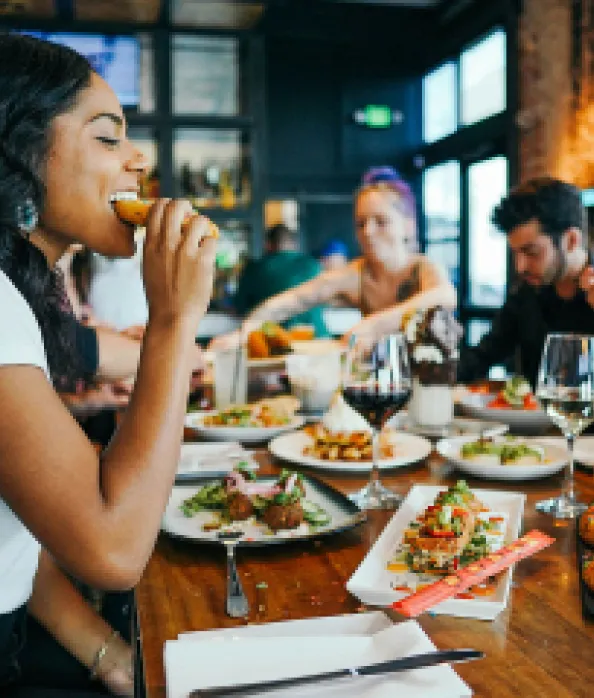
Guests expect a hotel that feels confident, warm, and full of character. They notice the pace and presence you get from a stylish, city-centre hotel, and appreciate the warmth and attention to detail offered by a luxury boutique environment. What stays with them are the everyday moments. A drink at the bar, breakfast before a meeting, a quick coffee, a late night order, a charge posted to the room. When these touchpoints are effortless and connected, guests feel the hotel is working at its best.
What connected operations look like
Imagine a hotel where orders just flow without issue from bar to kitchen. Payments, tips, and loyalty are handled in seconds, and menus update instantly across every site. These refinements improve the entire experience, allowing your team to stop firefighting and start focusing on the guest.
Why hotels are moving towards best-in-class ecosystems
Hotels that navigate this transition successfully stop expecting one platform to do everything. Instead, they build connected hospitality ecosystems made up of best in class solutions, integrated through open and reliable APIs.
The goal is not just modernisation; it is creating a hotel operation that runs more smoothly. Check-ins become smoother, room status updates become immediate, and forecasting becomes more accurate. Restaurant and bar postings flow effortlessly between systems, and most importantly, staff stop firefighting and start focusing on the guest.
“They had people who understood the whole operation, not just the software, and that changed everything.” – NFS Client
A turning point for hotels in transition
For hotel groups investing across their portfolio, this moment becomes a line in the sand. Some push through the friction and stall, others adapt and accelerate. The difference is never luck; it is the moment you decide your systems need to match your ambition and you choose to build something stronger, and more resilient.
How NFS helps where it matters most
The busiest part of a hotel day is often the bar, the restaurant, the coffee point, and the late-night order. It is where pace, accuracy, and guest experience meet. NFS helps that part of the operation work cleanly with the PMS, payments, loyalty, and stock, so teams can move with confidence and guests feel the benefit straight away.
We work with you as partners, not suppliers. There is no hard sell, only honest and experienced support from people who understand hotel operations.
We stay with you from day one and every day after, especially when things get busy. Our role is to help your team feel steady, supported, and never left to struggle with the system alone. It is a relationship built on experience, not transactions, and it proves itself in the moments that matter.