Your customer doesn’t separate your brand from the rest of the world. Every great experience they have raises the bar for what they expect from you.

Customers bring those expectations every time they walk through your door. They don’t care how complex your organisation is or how many moving parts sit behind the scenes. They care about how the experience feels: fast, smooth, consistent. And that’s exactly where the pressure is rising.

The Reality Check: Where Most Multi-Venue Brands Slip Up

Most brands don’t fail because of bad food. They fail because their competitors are delivering a sharper, more consistent experience – and customers feel the difference instantly.

“Culture breaks long before customers complain.”

The challenges are familiar: teams working in silos, customer insights scattered across disconnected systems, and decisions made on instinct instead of facts. Everything can feel busy yet still be misaligned with the experience your guests receive. For multi-venue operations, consistency only happens when customer insight and day-to-day execution are joined by a connected hospitality ecosystem that supports everything from planning and operations to the guest journey itself.

The Real Challenge: Alignment and Vision, Not Ambition

Growth isn’t the problem, ambition isn’t the problem; the real challenge is alignment.
When culture, insight, and execution aren’t connected, inconsistency becomes inevitable. And inconsistency is the fastest way to lose loyalty, one experience at a time.
The brands that win are the ones that align their vision, culture, and execution long before customers ever feel the cracks. Consistency isn’t accidental – it’s engineered – and it starts with a hospitality ecosystem that supports the operator’s vision, rather than one that creates more silos.

Moving Beyond the Silos with NFS

At NFS, we’re helping multi-venue brands bridge the gap between their vision and their daily execution. We believe your technology should be the heartbeat of your alignment, not the cause of your friction. By connecting every part of your operation into a single source of truth, we help you remove the invisible barriers to growth.

It’s the same connected approach we’re proud to be supporting with brands like:

Dishoom,
Protecting the identity and consistency of an iconic guest experience at scale.

Marugame Udon
Scaling fast-casual efficiency without losing the clarity or pace of service.

Cosmo
Delivering a seamless, multi-cuisine experience supported by operational precision.

Each one proves that clarity and consistency scale when the hospitality ecosystem is built right.

Ask yourself: Are your venues delivering the experience your customers actually want, or the one you’re hoping they do?

Is there a hidden formula for sustained growth in hospitality? Successful leaders know it – and our big-brand NFS Hospitality clients have been letting us into their secrets. We work hand in hand with industry leaders including Dishoom, Marugame Udon, and Cosmo Restaurants, all forging forward in today’s tough climate.

In this guide, we explore exactly what makes these operators so successful – and show how the right technology toolkit can put your business on the same path to growth.

image

Dishoom’s dramatic success: Authenticity at scale

Dishoom is a striking example of sustained success in the UK dining scene. Since launching its first Irani-style café in 2010, the brand has expanded to 12 restaurants and four Permit Room bars across the UK.

Their recipe for success is a blend of:   Compelling storytelling: A brand narrative that resonates deeply with diners   The Queue Culture effect: Building anticipation by making queues part of the unique experience   Strategic site selection: Expanding carefully into prime, well-chosen locations.

Dishoom always keeps focus on its core strengths, resisting the pull of delivery-only models or franchising to maintain a self-sustaining growth strategy. Now, with backing from LVMH-backed investment firm L Catterton, Dishoom is preparing for international expansion into New York City in 2026.

Powered by technology from NFS

Dishoom is a striking example of sustained success in the UK dining scene. Since launching its first Irani-style café in 2010, the brand has expanded to 12 restaurants and four Permit Room bars across the UK.

As a long-time NFS client, Dishoom’s operations are supported by a comprehensive technology stack centred on the robust and innovative Aloha EPOS system. This provides:   Integrated payments and QR code solutions   Tools for loyalty and reputation management   Actionable operational insights that improve efficiency and guest experience.

Recently, Dishoom implemented a new reputation management solution through NFS to amplify its online presence. The results are clear: their Covent Garden branch alone has more than 27,000 Google Reviews, and the new app can generate up to five times as many reviews for the brand – Read Case Study

Marugame Udon: Digitally-driven hospitality powerhouse
image

Another giant in the industry is Marugame Udon, an NFS client whose Digitally-driven strategy has fuelled massive growth across the UK and Europe.

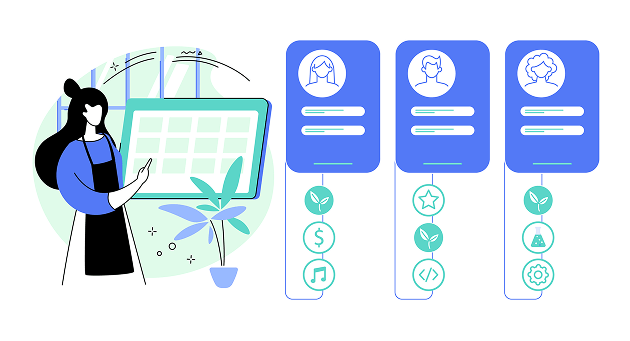
In addition to a best-of-breed restaurant EPOS solution, NFS provides the brand’s loyalty system, which unifies all customer information into an enormously valuable single platform.

Every touchpoint, from tills and wi-fi to email marketing, is connected, giving Marugame Udon a 360-degree view of its guests. This ‘single point of truth’ wipes out the need to enter data into multiple systems – great for operational efficiency and consistency.

This investment in technology has been crucial to the company’s expansion strategy. Marugame Udon UK recently entered a major master franchise agreement with Karali Group, a move designed to accelerate its growth across the UK and Ireland.

This marks a significant transition from a corporate-owned model to a fully franchised approach, underpinned by a scalable technology foundation
Read Case Study  

Cosmo Restaurants: Engineered for robust and rapid growth

image

With an estate of Large buffet restaurants offering multi-national cuisine. Cosmo is engineered for speed and scale. It has ambitious expansion plans – in addition to 21 Cosmo sites, it’s rapidly rolling out its new Smokin’ Hot Buffet & Grill concept.

With Restaurants boasting robot waiters, technology and innovation is at the core of this brand’s offering.

Fulfilling high demand and a requirement for fast table turns, Cosmo’s EPOS solution – Aloha from NFS – Delivers efficiency while enabling strong management of this evolving estate.

Aloha EPOS provides Cosmo with:

This winning combination of Expertise, project management and technology enables Cosmo to turn over tables every 90 minutes, and provides solid foundations for further growth, efficiency and increased revenue.

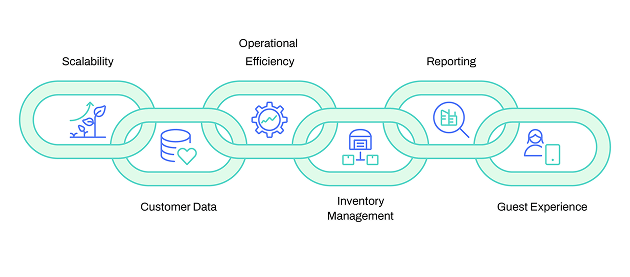
Your Restaurant Growth Checklist: 6 Key Requirements
img

A modern EPOS is more than a till – it’s the beating heart of your operation. When choosing your system, demand that it delivers on these 6 key requirements:

Scales easily – as you add can easily add tables, sites, or delivery channels
Captures customer data – to fuel loyalty and personalised marketing
Streamlines operations – to reduce errors and speed up service
Tracks inventory in real time – to cut waste and control costs
Provides clear reporting – for smarter, data-driven decisions
Enhances guest experience – with modern ordering and payment options

Takeaways for ambitious operators

The success of Dishoom, Marugame Udon, and Cosmo Restaurants offers a masterclass in modern restaurant growth. Key lessons include:

Defining your growth strategy – Cautious, self-sustained growth can be just as powerful as a rapid, franchise-led model. The key is choosing the most appropriate path for your brand.
Embracing technology – From QR code ordering to integrated loyalty and reputation management, the best systems drive efficiency and guest satisfaction.
Demanding authenticity – Staying true to your brand’s core ethos while you scale is what ensures lasting success and customer loyalty.

Don’t let anything hold you back in your ambitions for your restaurant. The winning formula combines a Clear vision, a commitment to authenticity, and the right technology toolkit – and as our big-grand clients show so conclusively, getting it right adds up success. Even in the most challenging trading conditions.

Ready to build your success story?

If you’re looking to follow in the footsteps of these leading operators, NFS Hospitality is here to help. Our consultative approach ensures you have the technology and Expertise needed to deliver outstanding service and achieve sustainable growth.

Contact us today to start building your growth story

Forget a swipe-right kind of relationship – today’s hospitality guests want a proper romance with your restaurant. In this article, you’ll discover what happens when good loyalty programmes go bad, and how AI is powering up data to create long-lasting partnerships with customers.

blog-qa
blog-answer

Because guests have changed – they want a love relationship with your business. The simple equation of “You make my food = I pay for it” just doesn’t add up to success anymore.

In other words, transactional has been blown away by experiential customer service.

experiential customer service

What’s the difference between transactional and experiential?

You can compare it with someone seeking romance and long-term potential, rather than just a swipe right…and like any life relationship, that takes effort and commitment from you.

How offers can ruin your relationship

report

Good personalised loyalty programmes are solid gold. As one recent report on next generation dining says: “In a highly competitive hospitality environment, creating memorable guest experiences is the ultimate differentiator.”

Research shows in 2025:

– 29% Of consumers and
– 32% Of families will actively seek out discounts or offers for dining or drinking out.

But a badly-targeted offer can cost you money – or threaten the relationship you want to encourage – See Full Research

When loyalty goes wrong – an example:

You need to drive more business on a Monday, so you decide to send your customers an offer for big discounts. But if you haven’t fully worked out the economics, you’ll end up out of pocket.

Will the extra business cover the labour and supply costs? Even worse…might some of your high spenders simply change to a cheaper day to eat? Or – ouch – will you cause offence by offering, say, committed vegans a steak deal?

Experiential dining? It’s not dating, but data

You want your restaurant to be their One and Only, the ultimate in customer loyalty. Tailoring the experience to their exact requirements is the way to win their hearts, but you need to truly know what they want.

As New York restaurateur Danny Meyer says:

“Hospitality is present when something happens FOR you. It is absent when something happens TO you. Those two simple prepositions – for and to – express it all”.

You definitely want your guests to believe your service is FOR them, in the most individual of ways.

So, building a great experiential relationship is not exactly dating, but it is all about data – segmenting your market using technology-captured information that enables personalised, effective reward programmes and grows your business.

We know each other sooo well…

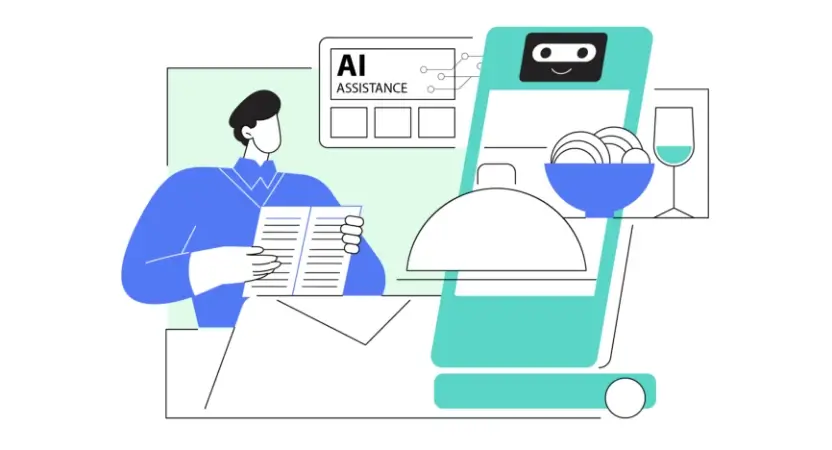
AI assistance

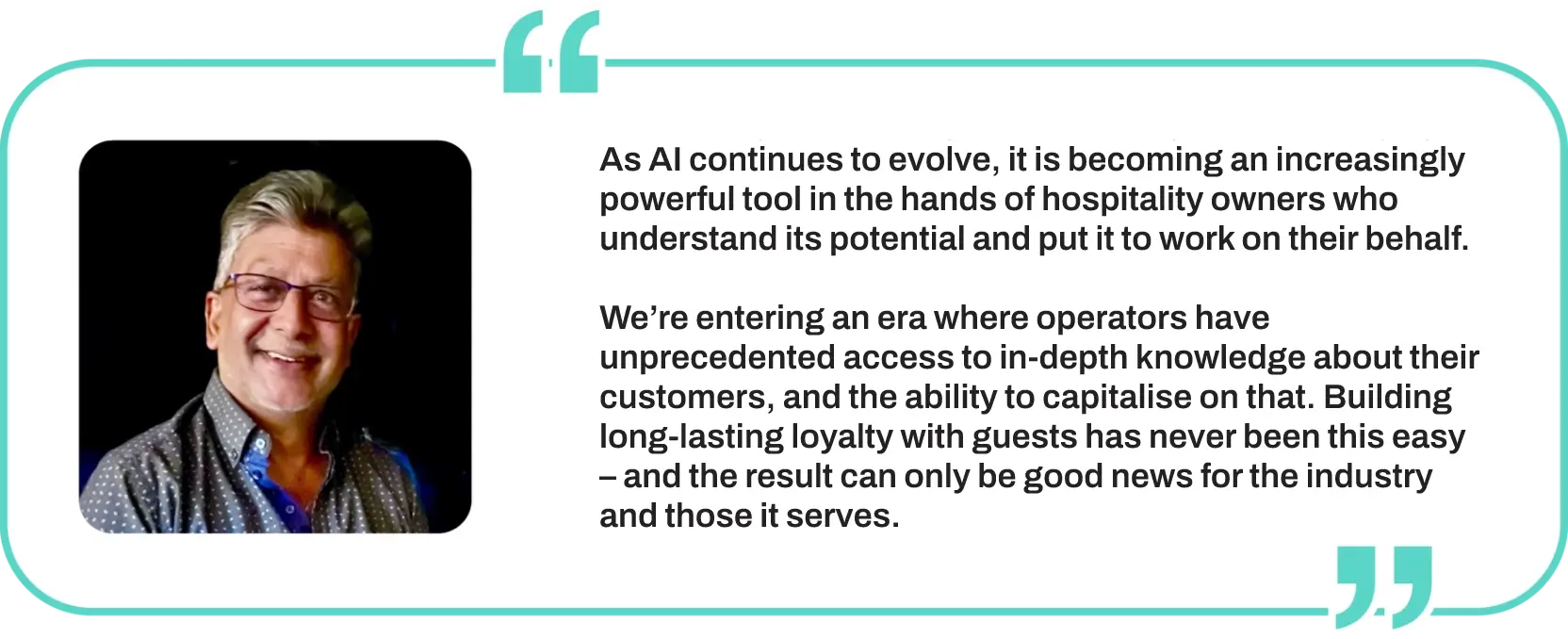
AI, working with specialised hospitality technology, is making incredible strides forward in capturing and analysing customer data to power up customer engagement.

“Artificial intelligence allows restaurants to go far beyond generic service, offering true personalization at scale. AI-driven systems can remember dietary restrictions, favorite dishes, preferred seating, and even special occasions like birthdays or anniversaries. This data enables staff to offer tailored greetings, suggest relevant menu items, or seat returning guests at their usual table — all without extra training or manual entry. The result? A guest experience that feels effortless and genuine.”AI Time Journal

Customers’ personal requirements are now really specific. High spenders might demand a special menu just for them, or exclusive events or dishes. Maybe they want you to understand without asking that they always prefer salad to chips.

Even in fast food the experiential approach pays off, with easy and responsive kiosk ordering – McDonald’s Chairman and CEO Chris Kempczinski cited AI adoption among his top three trends in 2025 for the quick service restaurant industry.

So that disastrous offer of steak to a vegan? With great data at your fingertips, that kind of slip is never going to happen. There’s going to be nothing to break up this growing relationship.

AI helps the human in the room

AI as a data-harvester and analyst is not an alternative for your restaurateur’s knowledge and expertise, but simply an enhancer and enabler. As EY comments:

“Technology should not be considered a replacement for human touchpoints but as an enabler for better human-led experiences… an AI-led customer experience will be far richer if it has a human element at the right time.”

Unprecedented opportunity

As hospitality technology experts, we can’t agree more with this. As our Chairman Luis De Souza says:

View Luis’ podcast on experiential dining and AI

WATCH NOW

Inspired by a thought-provoking discussion with Jo Lynch, Account Director at KAM Insight, on their most recent Hospitality Talks podcast, Luis explores the future of personalised guest experiences and smarter operational efficiencies.

Find out more about our Restaurant EPOS and contact us today if you have any questions.

As we approach April 1st, 2024, operators across various sectors are gearing up for the implementation of the National Living Wage (NLW) and other wage rate increases. This move, following the acceptance of the Low Pay Commission’s (LPC) recommendations, aims to fulfil a Conservative manifesto pledge to abolish low pay, defined as below 66% of median earnings. While this is a significant step towards ensuring fair compensation for workers, it also poses challenges for businesses, particularly those in sectors where labour costs constitute a substantial proportion of turnover.

Throughout the year, industry representatives have been actively engaging with the LPC and government officials, highlighting the potential adverse effects of such significant wage increases on businesses within the sector. It’s essential to recognise that these increases do not merely impact entry-level staff but have broader ramifications throughout the management structure.

Let’s delve into the new rates set to come into effect:

National Living Wage (21-years-old and over)

Rate from 1 April 2024: £11.44

Increase in pence: £1.02

Percentage increase: 9.8%

18- to 20-year-old rate

Rate from 1 April 2024: £8.60

Increase in pence: £1.11

Percentage increase: 14.8%

16- to 17-year-old rate

Rate from 1 April 2024: £6.40

Increase in pence: £1.12

Percentage increase: 21.2%

Apprentice rate

Rate from 1 April 2024: £6.40

Increase in pence: £1.12

Percentage increase: 21.2%

Accommodation offset

Rate from April 1, 2024: £9.99

Increase in pence: £0.89

Percentage increase: 9.8%

The LPC’s aim was to ensure that the NLW reached 66% of median earnings, a target they believe has been achieved. However, the forecasted level to reach this, as of March 2022, was £11.16 per hour. The significant rise in average earnings has pushed this target level higher. Additionally, other wage bands have also increased to prevent too great a discrepancy between them.

Strategies for Operators to Navigate the Wage Increase:

  1. Better Align Staffing Needs to Optimise Labour Costs: It may sound obvious, but it’s often overlooked, cutting staff isn’t the solution. The key is to manage the value equation in the eyes of customers and avoid raising prices while cutting service levels. Operators should align staffing needs with consideration given to peak versus off-peak staffing rotas.
  2. Take a Demand-Based Approach to Pricing: Reviewing item-level data across the estate will reveal which restaurants could be organised into different price bands based on customer reactions to previous price moves. Understanding customer willingness to spend ensures they see value for money without crossing price barriers.
  3. Leverage Technology: In today’s hospitality landscape, technology plays a pivotal role. From kitchen automation to online ordering, technology can enhance the customer experience while allowing staff to focus on delivering exceptional service.
  4. Have a Long-Term Game Plan: Unlike food inflation, labour costs can be planned for. Operators need a long-term plan to address these costs, making price changes in smaller increments spread over time. This approach allows for testing and assessment before full implementation.
  5. Streamline Your Menu: Reduce labour costs and improve execution by streamlining the menu. Evaluate menu items for operational impact and consider whether profitable items may be slowing down service. Identify bottlenecks and adjust menu offerings accordingly.

While the upcoming wage increases present challenges for operators, proactive planning and strategic decision-making can help navigate these changes effectively. By prioritising employee well-being, investing in development, and leveraging technology, businesses can adapt to the new landscape and continue to thrive in the ever-evolving market. Let’s embrace these changes as opportunities for growth and progress.

Mobile ordering is massive now – but what’s the future? In this video, James Brown of BrewDog, Katy Moses of KAM and Daniel Rodgers of Qikserve share their opinion on what lies ahead in hospitality when it comes to ordering and payment.

Watch this video to hear the leading UK hospitality executives discussing major issues faced by the industry.