





















An Electronic Point of Sale (EPOS) system can optimise restaurant operations. This comprehensive software will manage all key aspects of your restaurant business, from order-taking to inventory control, providing you with one central system that can improve overall efficiency. However, it’s important to ensure you’re choosing the right EPOS software for your specific needs to truly reap the benefits of this powerful tool.

When narrowing down the available options, it’s important to consider more than just the features available. It’s essential to find an EPOS system that suits your operations, budget and long-term goals. Regardless of what type of restaurant you operate, you should evaluate your business needs and ensure the software is suitable for the day-to-day running of your business. Below, we have explored the key factors that will influence which EPOS system will work best for your restaurant and how you can make the most informed decision.

Size and Type of Venue

The type of restaurant you operate and the scale of your operations will play a crucial role in determining which EPOS system is best. For instance, smaller independent restaurants often have simpler workflows and fewer members of staff. Therefore, a user-friendly system that covers all the essentials, such as order-taking, payment processing and simple reporting, might be sufficient. Budget may also be a key consideration for smaller businesses.

On the other hand, larger restaurants or franchises typically need a more powerful system. Multi-location restaurants can benefit from cloud-based EPOS systems that provide centralised control over all sites and make it easy to manage operations from anywhere. Whether it’s updating menus or monitoring sales performance, having the ability to do so from a single dashboard offers several benefits and can streamline operations.

Menu Complexity and Workflow Requirements

Whether you have a simple menu that doesn’t change much throughout the year or a complex menu with multiple promotions and seasonal offerings will also impact which EPOS software is best suited to your needs. If your menu includes various customisation options and multiple courses, an EPOS system that sends orders directly to kitchen display systems can be beneficial, reducing the likelihood of mistakes and speeding up service.

Review your entire current workflow, from order-taking to payment processing, and consider the current communication between front-of-house and kitchen staff. The best EPOS software for restaurants should solve any pain points, such as offering tableside ordering to reduce wait times and optimise table turnover, or tracking inventory in real-time to update menus and prevent customer disappointment.

Integration with Other Systems

A restaurant EPOS system should do more than just process transactions; it should integrate with the other tools you rely on. When your EPOS software speaks to key systems, such as your reservation platforms, loyalty programmes and omni-channel ordering solutions, you can benefit from a seamless flow of information.

Look at which systems you use at different stages of the customer journey and consider how integration can streamline operations. When your software is in sync, it will improve accuracy and efficiency, and prevent issues with data loss.

Budget and Pricing Structure

Your budget is always an important factor when investing in new software. When it comes to a restaurant EPOS system, you need to consider the total cost of ownership, not just the upfront price. In addition to initial setup costs, covering hardware and installation, there are often ongoing subscription fees to be aware of.

Factors such as number of users and locations, amount of cloud data storage, customer support and updates, and also additional features will all impact the monthly costs associated with an EPOS system. When comparing costs, it’s important to factor the long-term return on investment into your decision too. While one EPOS system may cost more, if it offers significant benefits that can boost revenue, it could be more cost-effective over time.

Scalability and Future-Proofing

It’s wise to think ahead when you’re investing in new software. Choosing an EPOS system that can grow with your business can save you a lot of hassle in the long run. You can avoid having to switch platforms and re-train staff if your small business expands into new locations.

A future-proof EPOS solution should allow you to add more locations, terminals or users easily, supporting business growth. It should also support updates and new technologies, ensuring your restaurant remains compliant with industry standards and continues to meet customer expectations. With improved business intelligence, EPOS software can even help you grow your restaurant quicker. By using reporting tools, you can make data-driven decisions and reach your goals much sooner.

Technical Support and User Experience

Your software should always be straightforward to use, for both customer-facing and back-of-house teams. A confusing interface can slow down service and result in mistakes that negatively affect customer experience, especially during busy periods. Training should be simple too, making it easy to take on new staff and hit the ground running.

For restaurant EPOS systems, responsive customer support is essential. Whether you need help setting up hardware, adding new features or troubleshooting an issue, a provider with reliable technical support can make a huge difference. You can have peace of mind that your EPOS software is robust and reliable, and you will have an uninterrupted service.

Choosing the Best EPOS Software for Your Restaurant

Choosing an EPOS system is a key decision and one that will have a direct impact on your operations moving forward. At NFS Hospitality, we understand that no two restaurants are the same, and we deliver the best of breed software. Our EPOS solutions are designed to adapt to a wide range of operational needs, and they provide you with one smart, centralised system.

Our expert team will work closely with you to evaluate your current setup, identify your pain points, and recommend tailored solutions that suit your goals and budget. We have experience working with the biggest brands in hospitality and invite you to read some of the case studies on our website. If you have any questions about EPOS software for restaurants, feel free to get in touch with NFS Hospitality today.


No matter how a customer chooses to engage with your brand, there’s no doubt that they’ll expect a smooth and convenient experience. Whether they choose to reserve a table online, dine in at your restaurant or even place an order via an app, maintaining a clear brand consistency and experience across all touchpoints is now a baseline expectation.

As the hospitality sector continues to become increasingly digital, delivering a unified and frictionless journey is key to building loyalty and staying competitive. A fully integrated omnichannel ordering system is a powerful starting point. When aligned with your existing restaurant management software, it lays the groundwork for streamlining operations and improving customer experience.

At NFS Hospitality, we believe that top restaurant management software should allow operators to deliver a consistent and high-quality experience across every channel. In this article, we’ll explore how an omnichannel approach can help you achieve exactly that.

Why Consistency Matters in Hospitality

Inconsistent service can lead to confusion, customer dissatisfaction, and even lost revenue. On the other hand, delivering a consistent experience helps build trust in your brand. When customers receive the same high level of quality and service, whether online, in-app, or in your venue, it reinforces confidence and strengthens loyalty.

Consider the typical customer journey in today’s world: A customer may browse your menu online, place an order for delivery via a third-party app, and later visit in person. Each of these interactions contributes to their overall perception of your brand. If the information, pricing, or service quality differs from one touchpoint to another, it creates a disjointed experience. This is where omnichannel strategy – backed by intelligent systems – comes into play.

What is an Omnichannel Ordering Experience?

Omnichannel ordering allows customers to interact with your restaurant across multiple channels in a connected and consistent way. Whether they’re ordering from a kiosk, app, website, or at the table, the experience should feel seamless and unified.

This differs from a multichannel setup, where services exist on multiple platforms but operate independently. Omnichannel systems integrate those channels, allowing data, preferences, and communication to flow across the entire customer journey.

An effective omnichannel approach means:

The Role of Restaurant Management Software

Delivering a consistent omnichannel experience depends heavily on the technology behind the scenes. Restaurant management software platforms play a central role in integrating these channels.

At NFS Hospitality, our innovative restaurant management solutions have been designed with this in mind. Our restaurant EPOS systems enable operators to manage menus, pricing, promotions, and ordering across multiple platforms – all from a single, centralised system. This ensures consistency from back-of-house to front-of-house and beyond.

For example:

The Benefits of Integrated Omnichannel Tools

When your restaurant management software supports integrated omnichannel ordering, the benefits go far beyond operational efficiency – it enables a smooth and connected experience across every customer interaction.

Customers can enjoy effortless ordering, whether through a mobile app, website, or in-venue kiosk, with consistent menus, clear pricing and reliable functionality throughout. Accuracy also improves thanks to the automation of orders routed to the kitchen, reducing the risk of mistakes in the process.

A centralised view of customer behaviour allows for smarter personalisation, enabling teams to tailor promotions and upselling strategies more effectively. Most importantly, consistent service across all channels builds trust and strengthens brand loyalty, encouraging repeat visits and positive word of mouth.

Operational Advantages for Hospitality Teams

In addition to customer-facing benefits, integrated omnichannel systems offer several operational advantages:

By implementing top restaurant management software, hospitality operators can adapt quickly to changing demand and manage operations in a more centralised and strategic manner.

Ready to Streamline your Omnichannel Experience?

Ensuring the success of your restaurant both today and in the future requires agility as customer expectations and technologies evolve at pace. Thankfully, with integrated restaurant management software, you can scale services, launch new ordering channels, and explore innovations like self-service, without any compromise on consistency or control.

At NFS Hospitality, we help hospitality operators build scalable digital ecosystems that deliver exceptional and connected customer experiences. Ready to streamline your omnichannel journey? Get in touch with our team today to discover how our solutions can help your business grow and thrive in a digital-first world.

Forget a swipe-right kind of relationship – today’s hospitality guests want a proper romance with your restaurant. In this article, you’ll discover what happens when good loyalty programmes go bad, and how AI is powering up data to create long-lasting partnerships with customers.

blog-qa
blog-answer

Because guests have changed – they want a love relationship with your business. The simple equation of “You make my food = I pay for it” just doesn’t add up to success anymore.

In other words, transactional has been blown away by experiential customer service.

experiential customer service

What’s the difference between transactional and experiential?

You can compare it with someone seeking romance and long-term potential, rather than just a swipe right…and like any life relationship, that takes effort and commitment from you.

How offers can ruin your relationship

report

Good personalised loyalty programmes are solid gold. As one recent report on next generation dining says: “In a highly competitive hospitality environment, creating memorable guest experiences is the ultimate differentiator.”

Research shows in 2025:

– 29% Of consumers and
– 32% Of families will actively seek out discounts or offers for dining or drinking out.

But a badly-targeted offer can cost you money – or threaten the relationship you want to encourage – See Full Research

When loyalty goes wrong – an example:

You need to drive more business on a Monday, so you decide to send your customers an offer for big discounts. But if you haven’t fully worked out the economics, you’ll end up out of pocket.

Will the extra business cover the labour and supply costs? Even worse…might some of your high spenders simply change to a cheaper day to eat? Or – ouch – will you cause offence by offering, say, committed vegans a steak deal?

Experiential dining? It’s not dating, but data

You want your restaurant to be their One and Only, the ultimate in customer loyalty. Tailoring the experience to their exact requirements is the way to win their hearts, but you need to truly know what they want.

As New York restaurateur Danny Meyer says:

“Hospitality is present when something happens FOR you. It is absent when something happens TO you. Those two simple prepositions – for and to – express it all”.

You definitely want your guests to believe your service is FOR them, in the most individual of ways.

So, building a great experiential relationship is not exactly dating, but it is all about data – segmenting your market using technology-captured information that enables personalised, effective reward programmes and grows your business.

We know each other sooo well…

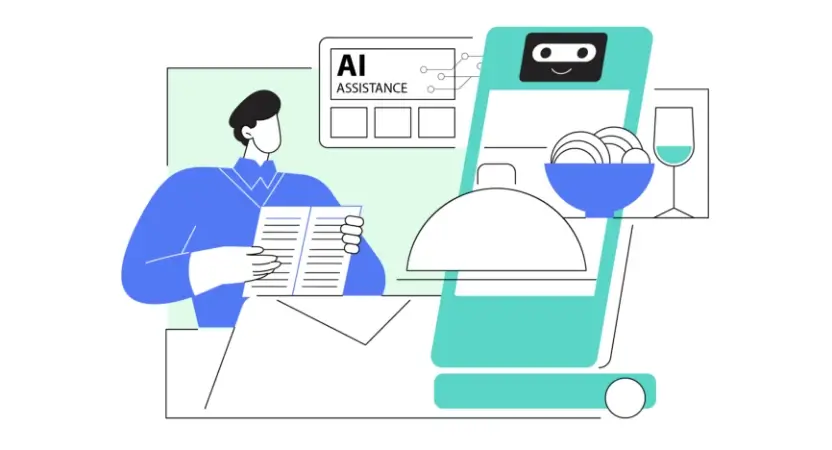
AI assistance

AI, working with specialised hospitality technology, is making incredible strides forward in capturing and analysing customer data to power up customer engagement.

“Artificial intelligence allows restaurants to go far beyond generic service, offering true personalization at scale. AI-driven systems can remember dietary restrictions, favorite dishes, preferred seating, and even special occasions like birthdays or anniversaries. This data enables staff to offer tailored greetings, suggest relevant menu items, or seat returning guests at their usual table — all without extra training or manual entry. The result? A guest experience that feels effortless and genuine.”AI Time Journal

Customers’ personal requirements are now really specific. High spenders might demand a special menu just for them, or exclusive events or dishes. Maybe they want you to understand without asking that they always prefer salad to chips.

Even in fast food the experiential approach pays off, with easy and responsive kiosk ordering – McDonald’s Chairman and CEO Chris Kempczinski cited AI adoption among his top three trends in 2025 for the quick service restaurant industry.

So that disastrous offer of steak to a vegan? With great data at your fingertips, that kind of slip is never going to happen. There’s going to be nothing to break up this growing relationship.

AI helps the human in the room

AI as a data-harvester and analyst is not an alternative for your restaurateur’s knowledge and expertise, but simply an enhancer and enabler. As EY comments:

“Technology should not be considered a replacement for human touchpoints but as an enabler for better human-led experiences… an AI-led customer experience will be far richer if it has a human element at the right time.”

Unprecedented opportunity

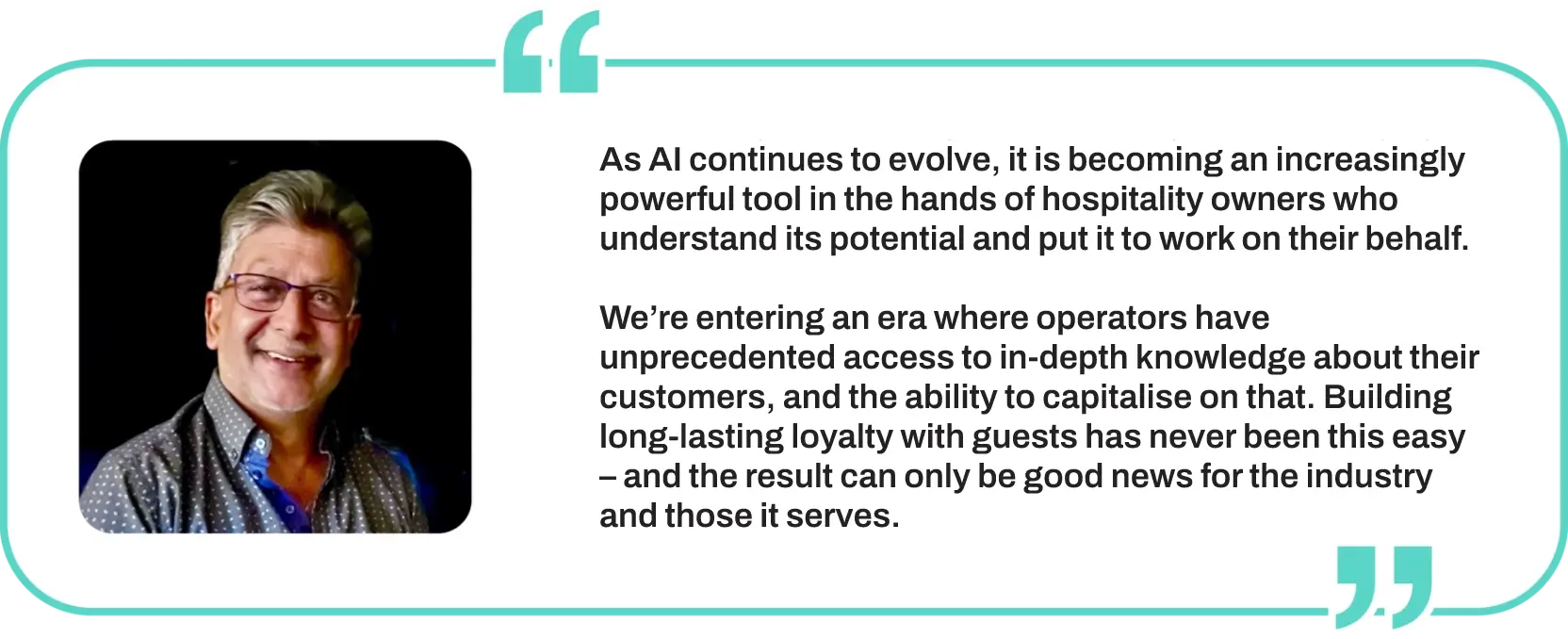
As hospitality technology experts, we can’t agree more with this. As our Chairman Luis De Souza says:

View Luis’ podcast on experiential dining and AI

WATCH NOW

Watch this video to discover how you can improve the guest experience, drive costs down, reduce waste, increase revenues, gain better business insights and streamline operations