Walk into almost any hotel today, and you’ll see a familiar scene – a POS terminal fixed to the bar, another in the restaurant, and a workstation tucked behind the lounge. These are the last traces of the till era, still bolted to counters even as the hotel around them has moved on. Staff move between them constantly, weaving through service like they’re following choreography written years ago. Guests wait to sign bills or confirm room charges, and managers try to make sense of what’s happening across the property using systems that don’t speak to each other.
Meanwhile, the guest journey has changed dramatically. A guest might start with breakfast, grab a coffee in the lobby, order lunch in a meeting room, enjoy drinks on the terrace, dine in the brasserie, and finish the night with room service. They move freely, and they expect the hotel to move with them.
“The hotel POS isn’t dying. It’s simply outgrowing the role it used to play.”
The age of the till has passed, and hotels are stepping into the era of the connected ecosystem. The POS is no longer a counter‑bound device; it is becoming the engine that holds the modern hotel together.
The real issue: hotel technology built in silos
For years, hotels built their technology one system at a time. A PMS for rooms, a POS for F&B, a separate platform for events, another for loyalty, another for payments, and another for inventory. Each system worked well enough on its own, but none were designed to work together.
The result is something every hotelier recognises – duplicated work, repeated guest questions, slow handovers between departments, and a sense that technology is adding friction rather than removing it. Guests don’t care which system does what. They don’t see the plumbing behind the scenes.
“Guests don’t see systems; they see one hotel. And they expect it to behave like one.”
That expectation is reshaping the role of the POS more than any hardware trend ever could.
The shift: from till to hotel-wide operational engine
The POS is no longer just the place where orders are keyed in; it is no longer a till at all. It has become the connective tissue of the hotel ecosystem, the system that understands guest preferences, tracks spending, connects to the PMS, handles payments, and gives managers a real-time view of what is happening. It is the difference between a tool and a nervous system.
A modern POS can quietly orchestrate the flow of service, sending orders to the right prep station, reducing walking time for staff, and smoothing out room-charge workflows so they feel effortless rather than awkward. It can help managers spot issues before they escalate, whether that is an understaffed bar, a meeting room running ahead of schedule, or a menu item that is suddenly trending.
When the POS is connected properly, it becomes the foundation for practical AI, helping teams make better decisions by forecasting demand, highlighting guest preferences, guiding purchasing decisions, and getting new staff up to speed faster.
“This isn’t the death of the POS. It’s the evolution of it, from a till on a counter to the intelligent engine that quietly powers the entire hotel.”
Why this evolution is happening now
Hotels are being pushed forward by forces that can’t be ignored. Guests expect to order, pay, and personalise their stay on their own terms, without losing the human touch. Labour is harder to find and more expensive to retain, F&B margins are under pressure, and managers need real-time visibility, not yesterday’s reports.
At the same time, the old idea that the PMS should do everything is fading. Hotels are moving toward ecosystems, choosing best-in-class systems that integrate cleanly rather than relying on one platform that tries to be all things to all departments. The till era was built on single systems; the ecosystem era depends on many systems working as one. In that world, the POS becomes the anchor – the system that quietly keeps everything connected.
How hotels are responding
The hotels that are getting this right aren’t simply replacing hardware; they’re rethinking how their teams work. Mobile devices are replacing fixed-terminal bottlenecks so staff can take orders anywhere without breaking the flow of service. Guests can pay how they want, when they want. Data is being used to personalise service in ways that feel natural rather than intrusive. The technology doesn’t replace hospitality; it gives staff more time to deliver it.
Real-time data and intelligent insight
One of the biggest shifts is the move from reactive reporting to real-time insight. When the POS is connected to the PMS, inventory, payments, and workforce systems, managers can finally see what is happening as it happens. Margins update automatically as ingredient costs change, server performance becomes visible in the moment, menu items can be adjusted based on live demand, stock can be reordered before it runs out, and labour can be matched to forecasted occupancy and outlet activity. This data helps hotels make better decisions faster.
Integration as a competitive edge
Hotels used to purchase systems based on features, but now they buy based on how well those systems integrate. A POS that doesn’t talk to the PMS creates friction, a POS that doesn’t talk to payments creates errors, and a POS that doesn’t talk to loyalty or events creates operational blind spots.
The hotels that win are the ones whose systems behave like one ecosystem rather than a collection of disconnected tools. This is where supplier collaboration matters, and it is where NFS has built its reputation.
Why NFS leads this shift
Hotels don’t need another system; they need a partner who understands how their operation really works, including the pressure points, the guest expectations, the financial realities, and the rhythm of service that no piece of software can see on its own.
NFS has spent years inside hotel operations, not just selling technology but shaping it around the way real teams work, communicate, and serve. We don’t arrive with a product pitch. We arrive with questions, curiosity, and a commitment to building an ecosystem that fits the hotel.
With NFS, you don’t just get technology – you get a partner invested in your success.
Looking ahead
The future hotel POS won’t sit on a counter. It won’t be something guests notice or staff think about. It will sit quietly at the centre of the ecosystem, powering every interaction, every decision, and every moment of service.
As Luis DeSouza, CEO of NFS, says:
“The till may be dead, but the hotel tech ecosystem it gave rise to is now indispensable. The hotels that embrace this shift will deliver the most seamless, most human, and most memorable guest experiences both now, and in the years ahead.”
“And this will deliver lower operating costs and staff better equipped to focus on the guest.”
NFS has helped BrewDog grow across the globe as far as Brisbane, as far west as Las Vegas, and have been pivotal in every bar that we’ve worked in.
Is there a hidden formula for sustained growth in hospitality? Successful leaders know it – and our big-brand NFS Hospitality clients have been letting us into their secrets. We work hand in hand with industry leaders including Dishoom, Marugame Udon, and Cosmo Restaurants, all forging forward in today’s tough climate.
In this guide, we explore exactly what makes these operators so successful – and show how the right technology toolkit can put your business on the same path to growth.
Dishoom’s dramatic success: Authenticity at scale
Dishoom is a striking example of sustained success in the UK dining scene. Since launching its first Irani-style café in 2010, the brand has expanded to 12 restaurants and four Permit Room bars across the UK.
Their recipe for success is a blend of: Compelling storytelling: A brand narrative that resonates deeply with diners The Queue Culture effect: Building anticipation by making queues part of the unique experience Strategic site selection: Expanding carefully into prime, well-chosen locations.
Dishoom always keeps focus on its core strengths, resisting the pull of delivery-only models or franchising to maintain a self-sustaining growth strategy. Now, with backing from LVMH-backed investment firm L Catterton, Dishoom is preparing for international expansion into New York City in 2026.
Powered by technology from NFS
Dishoom is a striking example of sustained success in the UK dining scene. Since launching its first Irani-style café in 2010, the brand has expanded to 12 restaurants and four Permit Room bars across the UK.
As a long-time NFS client, Dishoom’s operations are supported by a comprehensive technology stack centred on the robust and innovative Aloha EPOS system. This provides: Integrated payments and QR code solutions Tools for loyalty and reputation management Actionable operational insights that improve efficiency and guest experience.
Integrated payments and QR code solutions
Tools for loyalty and reputation management
Actionable operational insights that improve efficiency and guest experience.
Recently, Dishoom implemented a new reputation management solution through NFS to amplify its online presence. The results are clear: their Covent Garden branch alone has more than 27,000 Google Reviews, and the new app can generate up to five times as many reviews for the brand – Read Case Study
Another giant in the industry is Marugame Udon, an NFS client whose Digitally-driven strategy has fuelled massive growth across the UK and Europe.
In addition to a best-of-breed restaurant EPOS solution, NFS provides the brand’s loyalty system, which unifies all customer information into an enormously valuable single platform.
Every touchpoint, from tills and wi-fi to email marketing, is connected, giving Marugame Udon a 360-degree view of its guests. This ‘single point of truth’ wipes out the need to enter data into multiple systems – great for operational efficiency and consistency.
This investment in technology has been crucial to the company’s expansion strategy. Marugame Udon UK recently entered a major master franchise agreement with Karali Group, a move designed to accelerate its growth across the UK and Ireland.
This marks a significant transition from a corporate-owned model to a fully franchised approach, underpinned by a scalable technology foundation – Read Case Study
Cosmo Restaurants: Engineered for robust and rapid growth
With an estate of Large buffet restaurants offering multi-national cuisine. Cosmo is engineered for speed and scale. It has ambitious expansion plans – in addition to 21 Cosmo sites, it’s rapidly rolling out its new Smokin’ Hot Buffet & Grill concept.
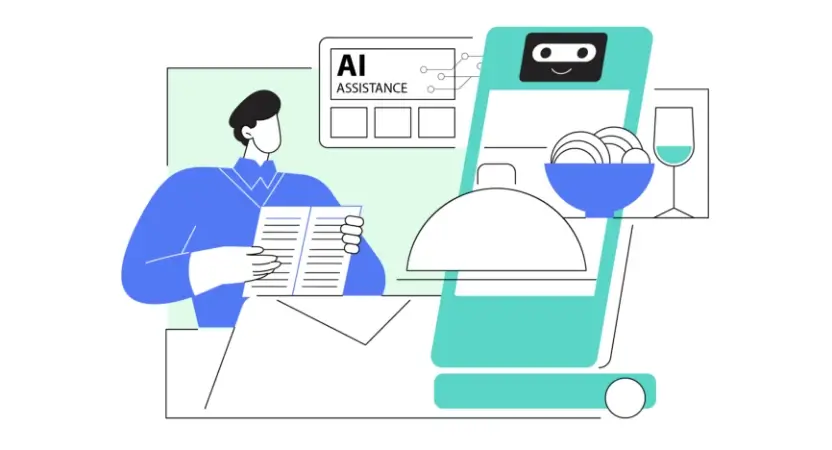
With Restaurants boasting robot waiters, technology and innovation is at the core of this brand’s offering.
Fulfilling high demand and a requirement for fast table turns, Cosmo’s EPOS solution – Aloha from NFS – Delivers efficiency while enabling strong management of this evolving estate.
Aloha EPOS provides Cosmo with:
Efficient table-side ordering via Aloha Mobile
Integrated and Seamless payment processing
Real-time multi-site management information
The ability for head office to drill down on data to store level – Every aspect of the business can be managed and improved upon.
This winning combination of Expertise, project management and technology enables Cosmo to turn over tables every 90 minutes, and provides solid foundations for further growth, efficiency and increased revenue.
Your Restaurant Growth Checklist: 6 Key Requirements
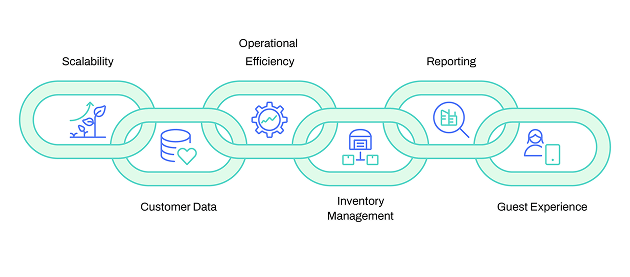
A modern EPOS is more than a till – it’s the beating heart of your operation. When choosing your system, demand that it delivers on these 6 key requirements:
Scales easily – as you add can easily add tables, sites, or delivery channels
Captures customer data – to fuel loyalty and personalised marketing
Streamlines operations – to reduce errors and speed up service
Tracks inventory in real time – to cut waste and control costs
Provides clear reporting – for smarter, data-driven decisions
Enhances guest experience – with modern ordering and payment options
Takeaways for ambitious operators
The success of Dishoom, Marugame Udon, and Cosmo Restaurants offers a masterclass in modern restaurant growth. Key lessons include:
Defining your growth strategy – Cautious, self-sustained growth can be just as powerful as a rapid, franchise-led model. The key is choosing the most appropriate path for your brand.
Embracing technology – From QR code ordering to integrated loyalty and reputation management, the best systems drive efficiency and guest satisfaction.
Demanding authenticity – Staying true to your brand’s core ethos while you scale is what ensures lasting success and customer loyalty.
Don’t let anything hold you back in your ambitions for your restaurant. The winning formula combines a Clear vision, a commitment to authenticity, and the right technology toolkit – and as our big-grand clients show so conclusively, getting it right adds up success. Even in the most challenging trading conditions.
Ready to build your success story?
If you’re looking to follow in the footsteps of these leading operators, NFS Hospitality is here to help. Our consultative approach ensures you have the technology and Expertise needed to deliver outstanding service and achieve sustainable growth.
Contact us today to start building your growth story
As the hospitality industry and customer expectations continue to evolve, choosing the right Electronic Point of Sale (EPOS) system for your business is more important than ever. It’s not just about being able to handle today’s orders, your software should support future expansion and grow with your business.
The right EPOS solution will sit at the core of your restaurant, bringing together sales, table management, inventory management, customer engagement and more. So, ensuring your system is futureproof is essential to long-term success. In this post, we have listed some of the most important questions to ask when choosing an EPOS system, helping you decide whether the software will be able to adapt and deliver lasting value to your business.
Key Questions to Ask EPOS Vendors
Restaurant businesses have to handle shifting customer expectations, regulatory changes and rapid advances in technology, so an outdated EPOS system can quickly cause problems. When your software is futureproof, it will scale as your needs change and help you stay adaptable. Several factors will impact which EPOS software is best-suited to your business now, but there are some additional questions you may want to ask when choosing a vendor to ensure the system continues to meet your ever-changing requirements.
Can the EPOS Software Easily Scale as my Business Grows?
Whether you’re expanding to new locations or adding new services such as home delivery, your EPOS needs to be able to grow with you. When a vendor has an EPOS system that supports multi-site management, you can avoid complicated migration to new software in the future.
Cloud-based EPOS solutions enable you to monitor all venues from a signal dashboard, providing centralised control over inventory, menus and pricing, no matter where your sites are located. You can roll out promotions or changes with ease, and even redistribute stock between sites if required. As you add new locations, you can benefit from real-time data synchronisation and consolidated reporting, so you have the information you need to remain profitable.
Does the EPOS Solution Offer Integration Capabilities?
A future-ready EPOS solution will integrate with critical third-party tools, such as: reservation software, loyalty programs, accounting tools, Customer Relationship Management (CRM) solutions and third-party delivery platforms.
Ask vendors about their software’s integration capabilities to ensure you’re able to easily connect to new hospitality technologies as they emerge. Having the right integrations connected to your EPOS system can make a huge difference to day-to-day operations, streamlining tasks, boosting performance and ultimately, improving the customer experience.
Is the EPOS System Cloud-Based?
More businesses are moving towards cloud-based software, providing operation continuity and convenient access across all devices and locations. This flexibility is invaluable for busy hospitality venues, where system downtime would cause huge disruption to operations, and it can provide managers with insights on-the-go.
With cloud EPOS, you can also benefit from automatic software updates. As restaurants move towards providing a smarter, tech-driven service, cloud solutions enable you to implement the newest innovations instantly at every terminal. By adapting quickly, you can continue to provide a personalised experience and make strategic decisions based on live data from anywhere.
What Reporting Capabilities Does the EPOS System Provide?
Data-driven decision making is essential for hospitality businesses to remain competitive. Ensure your EPOS system can provide the powerful insights you need, from menu performance to predictive sales forecasts. Ask vendors for demo reports to see what’s possible.
The best EPOS solutions will have built-in reports, helping you identify trends, spot inefficiencies and optimise operations in real time. With accurate, user-friendly reporting, you can refine business strategies and make more profitable decisions.
How Does the EPOS Software Handle Compliance and Regulatory Updates?
Since hospitality EPOS systems will contain sensitive customer data, it’s essential that they comply with all relevant legislation, such as GDPR and PCI DAA. Ask about regular security updates and how the vendor keeps up with evolving changes in this area.
Leading EPOS solutions should offer features such as end-to-end encryption, secure access controls, and built-in audit trails to safeguard transactions. Proactive vendors will regularly assess and update systems to address new security threats, providing peace of mind.
What Customer Support and Training is Provided?
When implementing EPOS system software, a vendor should have a consultative approach, helping you choose the right EPOS solution for your specific needs. They should also teach you how to make the most of your technology, ensuring all settings are configured correctly.
Ongoing support and training are essential to long-term success too. It’s beneficial to choose a vendor that doesn’t just provide initial setup support, but has responsive customer service and offers continuous training as new features become available. Building a long-lasting relationship with your vendor can help drive growth and innovation for your business.
Are Software Upgrades and New Features Included in the EPOS solution?
Before committing to any EPOS solution, it’s important to question what happens when technology evolves or new features are released. Find out whether software upgrades are automatically rolled out or if there are additional costs involved.
Regular updates ensure your EPOS software keeps up with changing business needs, as well as industry best practices and compliance regulations. By introducing new tools, you can improve the usability of your software too, making it work harder for your business.
Can the EPOS System Improve Guest Experience?
EPOS solutions for hospitality business should not just improve operational efficiency, but enhance the customer experience. From supporting omnichannel ordering to improving customer relationships with engagement tools, ensure your chosen EPOS system can help your business continue to impress guests for years to come.
When an EPOS system allows you to access guest preferences and previous orders, you can personalise recommendations and improve guest loyalty with targeted promotions and rewards. In addition, real-time stock control can help ensure guest favourites are always available, and tableside ordering will enable you to serve customers anywhere in your venue, creating the seamless and responsive experience guests expect.
If you’d like to find out more about the different types of EPOS solutions for hospitality businesses, contact our team at NFS Hospitality today. We pride ourselves on being a dependable supplier, providing personalised advice and ongoing support to restaurants. With vast experience, we understand the challenges of the industry and will happily work with you to make your everyday operations more efficient.
Restaurant owners are constantly looking for ways to improve customer loyalty. It’s well known that the cost of retaining an existing customer is significantly less than acquiring a new one, and loyal customers can have a huge impact on overall profitability.
For decades, successful loyalty programs have been keeping customers coming back to hospitality businesses. However, many now find themselves asking whether loyalty card programs still deliver results in today’s competitive market.
The simple answer is a resounding yes. Yet, not all programs are created equal and modern diners expect more than just a chance to collect stamps, they want meaningful rewards and tailored experiences that create a genuine sense of belonging. When designed well, loyalty rewards programs for restaurants will not only boost repeat visits but turn first-time guests into regulars, driving business growth.
Why Loyalty Card Programs Still Work for Restaurants
Here are some of reasons why loyalty card programs still work for restaurants:
Driving Repeat Visits and Reliable Revenue
Loyalty card programs help create an ongoing relationship between restaurants and diners. They’re designed to encourage repeat visits and there is a psychological incentive for customers to return, as they know they’re working towards their next reward. As well as providing tangible rewards for patronage, they can also create a sense of belonging and build a connection between a brand and its customers.
Ultimately, members aren’t just returning for rewards, they’re coming back because they feel recognised and valued. When customers feel appreciated, they’re more likely to become regulars and choose your restaurant over competitors. They are also more likely to be ambassadors who recommend your restaurant to others, helping drive new business through word-of-mouth and positive reviews. This translates into more frequent visits, higher average spend, and a more reliable revenue base, even during off-peak periods.
Personalisation and Data-Driven Loyalty
Restaurant loyalty schemes don’t just reward transactions, they provide another way to gather valuable information about your customer base. You can learn more about menu preferences, ordering habits and visit patterns, enabling you to tailor your offerings to what your guests really want. Whether it’s a free drink on birthdays, mid-week special offers or exclusive tasting event invites, you can use the data collected to create more personalised experiences. This approach helps to improve the engagement of your rewards program, encouraging customers to return not only for value but for a bespoke experience that feels special.
Data-driven insights also allow you to measure what’s working and what needs to be improved by tracking repeat order rates, average spend increases, reward redemptions, and more. With this information on hand, you can improve your programs and confidently invest in rewarding the loyal guests who matter most to future growth.
Are Loyalty Card Programs for Restaurants Changing?
Over time, restaurant loyalty schemes have evolved, largely driven by advancements in technology. Traditional punch cards have been replaced by sophisticated mobile apps and online platforms. This evolution has also been impacted by how different generations interact with brands. In 2024, Millennials showed the highest level of brand loyalty and younger consumers put higher value into personalisation in comparison to Baby Boomers.
Restaurant loyalty schemes now go beyond providing discounts to creating experiences, from VIP nights to early access to new menus. By tapping into customer motivations with well-structured rewards programs, restaurants can boost brand loyalty, collect valuable data, and stay at the forefront of a crowded market.
Popular Types of Loyalty Programs
There are lots of different loyalty schemes for restaurants, and there’s a solution available for every type of restaurant, regardless of size or style. However, before choosing a platform, it’s best to decide which type of loyalty program you want to offer. Some of the most popular include:
Points-Based Programs – A tried-and-tested rewards program for restaurants is a points-based model where customers earn points for each pound they spend. These points can then be redeemed for discounts, free food, or special perks, making every meal feel more rewarding and boosting visit frequency.
Tiered Programs – You can give guests the opportunity to unlock better rewards based on their spending or visit frequency. As customers go through different levels, they will receive bigger benefits, improving engagement and encouraging higher spend.
Visit Frequency-Based Programs – Simple but effective, these loyalty schemes reward guests for every visit, regardless of how much they spend. They’re often digital or app-based, offering a free item after a set number of visits. This incentive is ideal for fast-food restaurants and coffee shops, emphasising the value of patronage.
Subscription-Based Programs – These are the latest evolution in loyalty programs. Customers pay a monthly fee for guaranteed benefits, such as priority reservations or member-only discounts. These encourage routine visits and offer predictable income for restaurants, making them popular among younger diners.
Best Practices for an Effective Restaurant Loyalty Scheme
Although times are changing, it’s still possible to create successful loyalty programs for restaurants. When you’re developing a loyalty card scheme, there are a few important points to remember to boost the likelihood of customer engagement:
Keep the rewards simple, visible and achievable
Offer a mix of instant rewards and long-term perks
Use modern technology for convenience and flexibility
Promote the program across all customer touchpoints
Analyse reward data to improve offerings
Introducing a Restaurant Loyalty Card Program
For restaurant owners, loyalty card programs remain a powerful tool. They’re not outdated, but they can be improved by implementing new technology and more enticing rewards. Whether it’s through points collection or subscription perks, loyalty rewards programs for restaurants can drive repeat business and nurture lasting guest relationships. By choosing the right type of restaurant loyalty program, you can turn everyday guests into loyal advocates.
If you’re interested in creating a loyalty scheme or updating your current program, our team at NFS Hospitality can help. We offer a range of software solutions that can help boost retention, and will be happy to discuss the benefits of different options with you in more detail.
An Electronic Point of Sale (EPOS) system can optimise restaurant operations. This comprehensive software will manage all key aspects of your restaurant business, from order-taking to inventory control, providing you with one central system that can improve overall efficiency. However, it’s important to ensure you’re choosing the right EPOS software for your specific needs to truly reap the benefits of this powerful tool.
When narrowing down the available options, it’s important to consider more than just the features available. It’s essential to find an EPOS system that suits your operations, budget and long-term goals. Regardless of what type of restaurant you operate, you should evaluate your business needs and ensure the software is suitable for the day-to-day running of your business. Below, we have explored the key factors that will influence which EPOS system will work best for your restaurant and how you can make the most informed decision.
Size and Type of Venue
The type of restaurant you operate and the scale of your operations will play a crucial role in determining which EPOS system is best. For instance, smaller independent restaurants often have simpler workflows and fewer members of staff. Therefore, a user-friendly system that covers all the essentials, such as order-taking, payment processing and simple reporting, might be sufficient. Budget may also be a key consideration for smaller businesses.
On the other hand, larger restaurants or franchises typically need a more powerful system. Multi-location restaurants can benefit from cloud-based EPOS systems that provide centralised control over all sites and make it easy to manage operations from anywhere. Whether it’s updating menus or monitoring sales performance, having the ability to do so from a single dashboard offers several benefits and can streamline operations.
Menu Complexity and Workflow Requirements
Whether you have a simple menu that doesn’t change much throughout the year or a complex menu with multiple promotions and seasonal offerings will also impact which EPOS software is best suited to your needs. If your menu includes various customisation options and multiple courses, an EPOS system that sends orders directly to kitchen display systems can be beneficial, reducing the likelihood of mistakes and speeding up service.
Review your entire current workflow, from order-taking to payment processing, and consider the current communication between front-of-house and kitchen staff. The best EPOS software for restaurants should solve any pain points, such as offering tableside ordering to reduce wait times and optimise table turnover, or tracking inventory in real-time to update menus and prevent customer disappointment.
Integration with Other Systems
A restaurant EPOS system should do more than just process transactions; it should integrate with the other tools you rely on. When your EPOS software speaks to key systems, such as your reservation platforms, loyalty programmes and omni-channel ordering solutions, you can benefit from a seamless flow of information.
Look at which systems you use at different stages of the customer journey and consider how integration can streamline operations. When your software is in sync, it will improve accuracy and efficiency, and prevent issues with data loss.
Budget and Pricing Structure
Your budget is always an important factor when investing in new software. When it comes to a restaurant EPOS system, you need to consider the total cost of ownership, not just the upfront price. In addition to initial setup costs, covering hardware and installation, there are often ongoing subscription fees to be aware of.
Factors such as number of users and locations, amount of cloud data storage, customer support and updates, and also additional features will all impact the monthly costs associated with an EPOS system. When comparing costs, it’s important to factor the long-term return on investment into your decision too. While one EPOS system may cost more, if it offers significant benefits that can boost revenue, it could be more cost-effective over time.
Scalability and Future-Proofing
It’s wise to think ahead when you’re investing in new software. Choosing an EPOS system that can grow with your business can save you a lot of hassle in the long run. You can avoid having to switch platforms and re-train staff if your small business expands into new locations.
A future-proof EPOS solution should allow you to add more locations, terminals or users easily, supporting business growth. It should also support updates and new technologies, ensuring your restaurant remains compliant with industry standards and continues to meet customer expectations. With improved business intelligence, EPOS software can even help you grow your restaurant quicker. By using reporting tools, you can make data-driven decisions and reach your goals much sooner.
Technical Support and User Experience
Your software should always be straightforward to use, for both customer-facing and back-of-house teams. A confusing interface can slow down service and result in mistakes that negatively affect customer experience, especially during busy periods. Training should be simple too, making it easy to take on new staff and hit the ground running.
For restaurant EPOS systems, responsive customer support is essential. Whether you need help setting up hardware, adding new features or troubleshooting an issue, a provider with reliable technical support can make a huge difference. You can have peace of mind that your EPOS software is robust and reliable, and you will have an uninterrupted service.
Choosing the Best EPOS Software for Your Restaurant
Choosing an EPOS system is a key decision and one that will have a direct impact on your operations moving forward. At NFS Hospitality, we understand that no two restaurants are the same, and we deliver the best of breed software. Our EPOS solutions are designed to adapt to a wide range of operational needs, and they provide you with one smart, centralised system.
Our expert team will work closely with you to evaluate your current setup, identify your pain points, and recommend tailored solutions that suit your goals and budget. We have experience working with the biggest brands in hospitality and invite you to read some of the case studies on our website. If you have any questions about EPOS software for restaurants, feel free to get in touch with NFS Hospitality today.
Forget a swipe-right kind of relationship – today’s hospitality guests want a proper romance with your restaurant. In this article, you’ll discover what happens when good loyalty programmes go bad, and how AI is powering up data to create long-lasting partnerships with customers.
Because guests have changed – they want a love relationship with your business. The simple equation of “You make my food = I pay for it” just doesn’t add up to success anymore.
In other words, transactional has been blown away by experiential customer service.
What’s the difference between transactional and experiential?
You can compare it with someone seeking romance and long-term potential, rather than just a swipe right…and like any life relationship, that takes effort and commitment from you.
How offers can ruin your relationship
Good personalised loyalty programmes are solid gold. As one recent report on next generation dining says: “In a highly competitive hospitality environment, creating memorable guest experiences is the ultimate differentiator.”
Research shows in 2025:
– 29% Of consumers and
– 32% Of families will actively seek out discounts or offers for dining or drinking out.
But a badly-targeted offer can cost you money – or threaten the relationship you want to encourage – See Full Research
When loyalty goes wrong – an example:
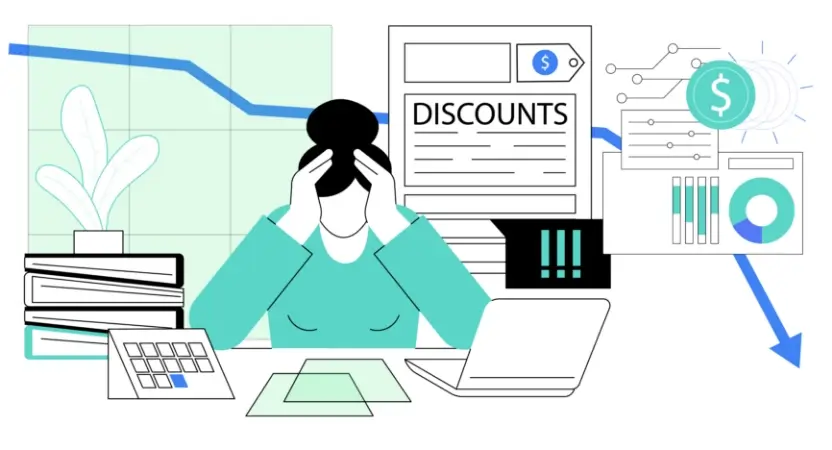
You need to drive more business on a Monday, so you decide to send your customers an offer for big discounts. But if you haven’t fully worked out the economics, you’ll end up out of pocket.
Will the extra business cover the labour and supply costs? Even worse…might some of your high spenders simply change to a cheaper day to eat? Or – ouch – will you cause offence by offering, say, committed vegans a steak deal?
Experiential dining? It’s not dating, but data
You want your restaurant to be their One and Only, the ultimate in customer loyalty. Tailoring the experience to their exact requirements is the way to win their hearts, but you need to truly know what they want.
As New York restaurateur Danny Meyer says:
“Hospitality is present when something happens FOR you. It is absent when something happens TO you. Those two simple prepositions – for and to – express it all”.
You definitely want your guests to believe your service is FOR them, in the most individual of ways.
So, building a great experiential relationship is not exactly dating, but it is all about data – segmenting your market using technology-captured information that enables personalised, effective reward programmes and grows your business.
We know each other sooo well…
AI, working with specialised hospitality technology, is making incredible strides forward in capturing and analysing customer data to power up customer engagement.
“Artificial intelligence allows restaurants to go far beyond generic service, offering true personalization at scale. AI-driven systems can remember dietary restrictions, favorite dishes, preferred seating, and even special occasions like birthdays or anniversaries. This data enables staff to offer tailored greetings, suggest relevant menu items, or seat returning guests at their usual table — all without extra training or manual entry. The result? A guest experience that feels effortless and genuine.” – AI Time Journal
Customers’ personal requirements are now really specific. High spenders might demand a special menu just for them, or exclusive events or dishes. Maybe they want you to understand without asking that they always prefer salad to chips.
Even in fast food the experiential approach pays off, with easy and responsive kiosk ordering – McDonald’s Chairman and CEO Chris Kempczinski cited AI adoption among his top three trends in 2025 for the quick service restaurant industry.
So that disastrous offer of steak to a vegan? With great data at your fingertips, that kind of slip is never going to happen. There’s going to be nothing to break up this growing relationship.
AI helps the human in the room
AI as a data-harvester and analyst is not an alternative for your restaurateur’s knowledge and expertise, but simply an enhancer and enabler. As EY comments:
“Technology should not be considered a replacement for human touchpoints but as an enabler for better human-led experiences… an AI-led customer experience will be far richer if it has a human element at the right time.”
Unprecedented opportunity
As hospitality technology experts, we can’t agree more with this. As our Chairman Luis De Souza says:
View Luis’ podcast on experiential dining and AI
WATCH NOW
×
Inspired by a thought-provoking discussion with Jo Lynch, Account Director at KAM Insight, on their most recent Hospitality Talks podcast, Luis explores the future of personalised guest experiences and smarter operational efficiencies.
Find out more about our Restaurant EPOS and contact us today if you have any questions.
Imagine your restaurant bustling with eager patrons. Each diner delights in a special dish, crafted just for today, igniting excitement with each bite. Harness this enthusiasm through a limited time offer — a flash sale with a special discount that drives both footfall and online engagement, capturing the imagination of discerning diners and maximising revenue through anticipation and unique storytelling.
Limited-time offers (LTOs) help restaurants boost sales and customer loyalty by creating urgency.
Benefits of Limited Time Offers
Drive immediate sales and bookings
Attract new diners and reward regulars
Test new menu items before launch
Build brand excitement and customer loyalty
Popular Types of Limited Time Offers
Seasonal or holiday dishes/drinks
Discounts and meal deals
Exclusive events (chef’s specials, themed nights)
Best Practices for Running a Limited Time Offer
Set a clear timeframe (short enough to build urgency).
Track results and gather feedback for improvement.
Use restaurant tech (POS, reservations, ordering systems) to manage and analyze performance.
Key takeaway: A well-planned limited-time offer can deliver a quick revenue boost while strengthening long-term customer relationships.
What is a Limited Time Offer (LTO)?
A Limited Time Offer (LTO) is a strategic marketing tool where a restaurant introduces a new dish, beverage, or unique experience for a specific, brief period, stimulating urgency and interest.
These promotions often entice visitors with the promise of something special and fleeting.
Ingeniously designed, Limited Time Offers tap into the human desire for novelty and exclusivity, creating buzz (particularly around seasonal or cultural celebrations).
This marketing tactic not only attracts attention but also provides invaluable insights into customer preferences, enhancing future menu innovations.
Moreover, Limited Time Offers are instrumental in reinvigorating loyal customer bases, blending the allure of exclusivity with the anticipation of fresh and exciting culinary delights that patrons are eager to savour and share.
Ultimately, the essence of a Limited Time Offer lies in the delicate balance of allure and urgency, and scarcity, an enchanting marketing dance that can significantly elevate a restaurant’s profile and purchases.
Importance of Limited Time Offers
Limited time offers create a sense of urgency.
This urgency stimulates immediate decision-making, which can significantly increase patron footfall and order volume. Through limited time offers, restaurants tap into the psychological phenomenon of FOMO – the fear of missing out – encouraging patrons to act quickly. Consequently, LTOs become a driving force in enhancing customer engagement and recognition, enabling restaurateurs to build momentum and boost their establishment’s visibility and appeal.
Customers relish exclusivity and novelty, while fearing scarcity.
LTOs provide a platform for testing new ideas – be that novelty items, adventurous menu extensions, or even collaborations with renowned chefs – all while gauging customer response without long-term commitment.
Furthermore, when executed effectively, LTOs can cultivate meaningful interactions between restaurants and their audiences, forming crucial connections. Social media ordering and delivery apps, in particular, offer dynamic tools to broadcast these limited-time offerings widely, creating ripples of excitement and transforming fleeting experiences into enduring culinary adventures. As you embark on your journey to harness the magnificent potential of LTOs, gather inspiration from these compelling elements and watch your restaurant flourish with newfound vitality.
Benefits of Limited Time Offers for Restaurants
Limited time offers (LTOs) in restaurants present a unique opportunity to captivate new customers, boost sales, and induce a palpable sense of urgency. These offers nurture a perception of exclusivity.
Such heightened interest often leads to increased foot traffic and online engagement during the offer period. This results in amplified visibility and customer interaction.
Simultaneously, restaurants can use LTOs as a strategic tool to differentiate themselves from competitors in a crowded market. This distinction is vital for brand recognition.
Moreover, LTOs can encourage customers to try new menu items, thus expanding their culinary horizons. They serve as a testing ground for future permanent menu additions.
Ultimately, limited time offers evoke excitement and prompt immediate action, leading to repeat visits, customer loyalty, and increased conversion rates. Delivering consistent quality enhances long-term relationships.
Therefore, the power of LTOs lies in their ability to seize attention swiftly. Their strategic use can result in maximum exposure and revenue optimisation when effectively managed.
Identifying the Right Timing for Offers
Determining the perfect timing for a limited time offer is crucial for maximising its effect.
Strategically, this involves understanding your clientele’s peak activity periods, such as lunch and dinner rushes, aligning your promotional efforts with these high-traffic times, and considering events or holidays that naturally attract more patrons. Offers launched during these periods can lead to increased customer volume, engagement and purchases, thereby enhancing your brand’s reach and appeal.
Furthermore, market research can identify trends where specific demand fluctuates. By leveraging these insights, you gain the opportunity to anticipate customer cravings and supply timely promotions that satisfy these emerging desires.
Incorporating social media ordering and delivery apps amplifies this timing advantage, as notifications and app alerts can nudge consumers towards your offer at precisely the right moments. This method aligns with modern consumption habits and ensures your message reaches your target audience promptly, fostering immediate action and building ongoing customer relationships.
Creating Compelling Offer Descriptions
Crafting powerful offer descriptions propels your message forward.
To ensure your limited time offer resonates, consider both clarity and enticement. Each word should ignite the curiosity of potential customers, prompting them to explore your restaurant’s current treasure. Strategically, aim to go beyond mere assertions of affordability or exclusivity to include storytelling elements that evoke vivid imagery.
Elevate your descriptions by incorporating sensory details.
Words like ‘succulent’ or ‘crispy’ paint a culinary portrait that is as inviting as it is memorable, coaxing potential diners to envision themselves tasting your offers. By interweaving sensory details with a sense of urgency and identifying psychological triggers – perhaps a countdown or a reminder of the deal’s fleeting nature – you invite an emotional connection.
Social media is a powerful ally in this endeavour, offering a visual platform to reinforce written descriptions. Utilising striking images or engaging videos to accompany text enhances curiosity and excitement, which could contribute to a substantial increase in orders. Harnessing these contemporary digital tools allows you to extend the vibrancy of your limited time offer beyond mere words.
Utilising Social Media for Promotions
Embrace the digital tapestry of social media, a conduit for extraordinary engagement, where your limited time offer can defiantly shine. Leverage platforms like Instagram and Facebook to create dynamic content, using captivating visuals and hashtags that resonate with your audience, while interactive features such as polls and countdowns weave a tangible sense of interconnectedness. This strategic approach not only amplifies your offer’s allure but also forges a community around your culinary creations, inspiring a sense of participation and urgency.
Engaging Content Strategies
Crafting content that captivates and compels, a tapestry of authentic storytelling, moves hearts and appetites alike. Presenting your limited time offer with this strategy can invigorate interest effortlessly.
Connect emotively by blending visuals and narratives effectively, such as “behind-the-scenes” insights. This kindles curiosity, providing customers with a glimpse of your culinary creativity, fostering loyalty and anticipation.
Story-driven campaigns are captivating and have been shown to increase customer engagement by up to 80%.
Leverage social media’s potential: engage creatively with platforms, showcasing teaser content and interactive stories. Utilise delivery apps to amplify reach, ensuring your exclusive offering finds the eager plates it deserves, while strengthening your brand’s dynamic voice.
Timing and Frequency of Posts
Timing and frequency of posts, though often overlooked, are crucial elements that can significantly enhance the success of your limited time offer.
When strategising, it’s vital to post consistently within a structured schedule that aligns with customer habits, ensuring your promotional posts capture maximum visibility and attract the attention your offer merits. Analytical tools on social media platforms and delivery apps allow you to understand peak engagement periods, thereby honing the precision of your posting strategy.
Synchronised, well-timed posts during a promotional campaign can yield remarkable outcomes. By focusing your efforts, you can ensure your engaging content reaches the right audience during periods of heightened interest and favourable engagement metrics.
Consequently, focus on increasing exposure by maintaining regular posting cycles throughout your promotion. This persistent approach keeps your limited time offer fresh in the minds of your audience, allowing you to create a sustained dialogue with potential patrons and consistently nurturing their enthusiasm and anticipation.
Leveraging a sophisticated marketing campaign system can significantly streamline and automate the myriad tasks involved in executing successful marketing strategies. These systems not only automate the dissemination of promotional content across various channels but also provide insightful analytics to refine future campaigns. This automation empowers restaurant owners to focus on crafting exceptional dining experiences, confident that their marketing efforts are both efficient and impactful, driving customer engagement and boosting sales with precision and ease.
Partnering with Delivery Apps
Incorporating delivery apps can significantly boost your restaurant’s visibility, ease operational burdens, and maximise your offer’s reach.
These platforms can optimise the customer experience (CX) journey by providing seamless access to your limited time offer, thus allowing customers to effortlessly explore options and make swift on-the-go decisions.
Integrating with delivery platforms has never been more seamless, thanks to the cutting-edge systems provided by NFS Hospitality. These systems are designed with user-friendly interfaces and robust compatibility, allowing restaurants to effortlessly connect with popular delivery services. This integration ensures that limited time offers and menu updates are instantly reflected across all platforms, enhancing operational efficiency and customer satisfaction.
By automating the synchronization of orders and promotions, restaurants can maintain a consistent brand presence and deliver exceptional service without the hassle of manual updates. This streamlined process not only saves time but also optimizes the customer journey, ensuring that every interaction is smooth and rewarding. With such powerful tools at their disposal, restaurant owners can confidently embrace the digital age, knowing that their delivery operations are both efficient and scalable.
Maximising Reach with App Promotions
Captivating the attention of potential customers lies in harnessing the technological marvels at our disposal, including diverse app promotions. These innovations can propel your marketing outreach to unprecedented levels, ensuring your limited time offer resonates with hungry patrons eager for a novel dining experience.
Utilising apps enhances promotional visibility, ensuring your offers reach beyond traditional customers.
App platforms allow for targeted promotional messages to inspire and entice potential customers, fostering a vibrant digital presence.
These digitally-driven avenues of advertisement empower restaurateurs to unleash their limited time offers, delivering content that resonates, and should not be underestimated. Moreover, they provide a dynamic performance feedback loop, allowing your marketing strategies to adapt with agility in an ever-evolving marketplace.
Ultimately, the use of apps does not only ensure access to myriad customers. It also fortifies your standing by establishing a perpetual link between delectable offerings and your restaurant’s innovative spirit.
Streamlining Orders through Apps
Harnessing the power of technology can revolutionise how your restaurant manages orders efficiently and attracts new customers.
Enhance Visibility: Use delivery and social media apps to boost your restaurant’s presence.
Targeted Promotions: Deploy promotional messages tailored to your audience using app analytics.
Seamless Experience: Ensure an intuitive ordering process to foster a positive consumer experience.
Real-Time Feedback: Leverage app feedback to refine your offers and services continuously.
These platforms provide the tools to showcase limited time offers effectively.
Ultimately, these app-driven methodologies establish a strong brand, aligning technological innovation with exceptional customer service.
Setting Up Effective Email Campaigns
Navigating the digital age requires mastery over diverse marketing channels, with email campaigns playing a crucial role.
Since their inception, email campaigns have evolved to become powerful tools for restaurant marketing, providing direct communication with potential patrons. They enable personalised interactions and nurturing of customer relationships, fostering a sense of loyalty.
To set up an effective email campaign, the foundation must begin with a robust contact list. This should be meticulously curated and segmented, ensuring that messages resonate with different audience groups. The personalisation of content, combined with a compelling subject line, significantly increases open rates.
Moreover, integrating your email campaigns with limited time offers and a free gift can enhance customer engagement. Highlight exclusive discounts and unique menu items that are only available for a short period. This creates urgency and drives immediate action from your subscriber base.
Essentially, emails should be used as a conduit to broadcast your restaurant’s essence and culinary innovations directly to eager diners. This helps build a community around your brand.
Rewarding Customer Loyalty with Limited Offers
Rewarding customer loyalty through limited-time offers and exclusive discount deals is an indispensable strategy.
These offers not only inject a sense of exclusivity but also create a win-win scenario, enchanting your loyal program base and enticing new guests. Utilising these offers, combined with state-of-the-art social media ordering and delivery apps, elevates your customer engagement, offering an exciting reason for repeat visits and sustained relationships.
Recognising loyalty by offering special deals transforms occasional customers into brand ambassadors. Through limited-time offers, you breathe life into the dining experience, making each return visit a voyage of culinary discovery, thus fostering an environment of anticipation and excitement.
Ultimately, deploying well-crafted limited-time offers serves as a double-edged sword, enhancing guest satisfaction while boosting revenue. With platforms like social media and delivery apps aiding in dissemination, you can meticulously track customer preferences and adapt your services to exceed expectations, propelling your restaurant towards culinary excellence.
Analysing the Success of Your Campaigns
To ensure your limited-time offer is reaching its full potential, strategic analysis is crucial. But what indicators should you observe to gauge the efficacy of your restaurant’s limited-time offers?
In an era defined by digital connectivity, key performance indicators (KPIs) provide actionable insights into customer responses. Reviewing metrics like engagement rates on social media, click-through rates from delivery apps, and redemption figures can illuminate the success of your campaign beyond mere financial returns.
Moreover, qualitative data such as customer feedback and reviews can offer profound insights into the experiential aspect of your offers. This nuanced data will guide you in understanding whether your limited-time promotions align with customer expectations and preferences, thus fostering meaningful enhancements.
By consistently tracking performance, focus shifts from ephemeral gains to sustained growth, as data-driven adjustments optimise future campaigns. Harness analytics tools that help pinpoint when it’s time to recalibrate, ensuring your restaurant consistently surpasses culinary aspirations.
Remember, it’s not just about the immediate results but also long-term customer loyalty and increased brand resonance.
Potential Challenges and Solutions
Adopting a limited time offer strategy, a beacon of promotional vibrancy, comes with risks. Addressing these concerns involves meticulous planning, engaging tools like social media and delivery platforms that streamline visibility, catering to a dynamic customer base with panache.
To mitigate the pressures of a short run, adopt an “ask-and-improve” mindset. Pivot swiftly in response to feedback, keeping pace with customer expectations. In turn, the adaptation of real-time insights will transform the fleeting into the enduring, ensuring your limited time offer leaves only a trail of satisfied palates.
Overcoming Common Hurdles
Navigating the landscape of limited time offers can initially seem overwhelming; however, with careful strategic planning, these hurdles are surmountable, allowing your establishment to flourish.
Mastery over these obstacles begins by leveraging industry trends and advanced technology.
Utilise social media ordering and delivery apps to maximise reach, tapping into a network of enthusiastic food lovers keen on exclusive experiences. Harness the power of online communities, encouraging time-bound engagement that aids in overcoming traditional marketing constraints.
Finally, continuous improvement within the framework of a limited time offer campaign is vital. Encourage customer feedback, using it to refine the process and adapt swiftly to shifting demands. This proactive stance transforms potential stumbling blocks into stepping stones for success, ensuring that heartening results endure long past the offer’s end.
Ensuring a Seamless Customer Experience
Seamless experiences resonate well with patrons.
Delivering exceptional service extends beyond the kitchen. The key lies in creating an intuitive and engaging customer journey, informed by the latest technological innovations. From online ordering systems to delivery apps, integrate these tools to simplify the dining experience for customers, ensuring minimal friction and maximal enjoyment.
Streamline all aspects of the customer journey.
Building anticipatory expectations through previews on social media can create a buzz, elevating the entire dining escapade even before it begins. Combining this with attentive in-house service, your customers’ expectations are not only met but surpassed.
By leveraging analytics and feedback garnered from these interactions, your endeavour to refine service becomes a continual journey, not just an objective. This dynamic approach fosters a lasting relationship with customers, embedding your limited time offers not just in their memory, but in their dining routine.
Conclusion
In conclusion, harnessing the power of limited time offers through advanced marketing systems and seamless delivery platform integration can revolutionize your restaurant’s approach to customer engagement and sales growth. By automating key marketing tasks and ensuring a smooth delivery experience, you can focus on what truly matters—delighting your customers with exceptional culinary experiences. As the hospitality industry continues to evolve, embracing these innovative tools will position your restaurant at the forefront of the market, ready to captivate and retain a loyal customer base.
If you’re ready to elevate your restaurant’s marketing strategy and explore the transformative potential of these technologies, we invite you to reach out to us today. Our team of experts is eager to guide you through the process, ensuring that your restaurant not only meets but exceeds its business goals. Let’s embark on this exciting journey together and unlock new avenues of success for your establishment. Contact us now to get started!
Is your restaurant thriving in a competitive market?
Imagine a scenario where your eatery buzzes with satisfied patrons drawn by clever marketing strategies, eagerly coming back for more.
The traditional strategies of mere advertisements are evolving into immersive experiences ‘compelling’—contexts which astutely captivate not just the taste buds but the imaginations, thereby creating ambassadors out of your diners and stimulating enduring loyalty.
Inspire. Innovate. Revolutionise your approach, but keep your restaurant marketing budget under control.
1. Leveraging Social Media
Social media platforms are your digital stage, the backdrop where your culinary artistry can shine vibrantly, inviting an audience captivated by visual storytelling.
As it has been for the last few years, social media will prove indispensable for restaurants seeking growth.
Harness the power of video content to create dynamic, tantalising portrayals that become a feast for the eyes. This medium is particularly effective for showcasing new menu items, culinary techniques, and behind-the-scenes glimpses, engaging audiences with authenticity and flair.
Furthermore, social ordering allows customers to place orders directly through social media platforms, creating a streamlined and convenient experience. This not only enhances customer satisfaction but also taps into the vast potential of social media as a marketing channel. By enabling patrons to order with just a few clicks, restaurants can significantly increase their reach and engagement.
2. Personalise Customer Experiences
Crafting personalised experiences for diners is the golden opportunity that awaits to set restaurants apart in 2025. When diners feel uniquely catered to, they are more inclined to return.
Utilise data to tailor these experiences for particular patron preferences.
Consider how an extraordinary night can be enhanced through small gestures that speak to a diner’s interests, creating a symphony of bespoke flavours and special touches that resonate with their expectations, preferences, and delights. Ideally, this can lead to user generated content on social media that will speak highly of restaurant.
The digital age offers a plethora of tools enabling restaurants to weave narratives from the moment of reservation. Be it through custom menu recommendations or curated seating options, diners can indulge in a holistic and immersive journey. Whether it’s celebrating moments or tapping into “nostalgia” with menu choices, restaurants can create memories that last a lifetime.
3. Develop a Strong Brand Identity and Website
In 2025, establishing a compelling brand identity is paramount for restaurants aiming to captivate and retain a discerning clientele. Your brand is more than just a logo or a colour scheme; it is the essence of your restaurant’s story, values, and the unique dining experience you offer. A well-defined brand identity sets the stage for meaningful connections with your audience, distinguishing your establishment in a crowded marketplace.
Central to this endeavour is the creation of a professional and engaging website. In an era where digital interactions often precede physical visits, your website serves as the cornerstone of your online presence. It is the first impression many potential customers will have of your restaurant, and it must reflect your brand’s personality and promise.
A thoughtfully designed website provides a seamless user experience, showcasing your menu, ambiance, and unique offerings. It should be visually appealing, easy to navigate, and optimised for mobile devices, ensuring accessibility for all users. Beyond aesthetics, your website is a powerful tool for communication, offering insights into your restaurant’s story, values, and the culinary journey you invite guests to embark upon.
Moreover, integrating features such as online reservations, gift card purchases, and a blog or news section can enhance engagement and drive customer loyalty. By investing in a robust website, you not only elevate your brand identity but also create a dynamic platform that invites guests to connect with your restaurant on a deeper level. This strategic approach not only attracts new patrons but also fosters lasting relationships, ensuring your restaurant’s success in the years to come.
4. Automate Your Restaurant Marketing Tasks
As we advance into 2025, the efficacy of automation in restaurant marketing cannot be overstated. Automation offers a streamlined way of managing marketing campaign efforts.
These technologies have evolved to the point where they handle complex operations with remarkable efficiency.
Imagine, routine tasks such as email marketing, scheduling posts, and even personalising offers (leveraging data analytics) are automated.
Automation tools now can craft tailored marketing messages to captivate and retain customer interest, optimising your team’s strategic endeavours.
Such systems were once intimidating but have now become intuitive and user-friendly, allowing non-tech savvy restaurant managers to focus their resources on more creative pursuits.
Ultimately, the goal is clear: leverage automation to maintain customer engagement. Harnessing technology wisely ensures your restaurant remains at the cutting edge.
5. Implement Mobile Ordering Solutions
Embrace the future by adopting mobile ordering.
In 2025, mobile ordering solutions are no longer a luxury; they are a necessity. The conveniences they provide not only improve the dining experience but also streamline operational efficiencies in astonishing ways. Consider this: today’s patrons desire the freedom to interact with your menu on their smartphones, facilitating quick and seamless transactions with just a few clicks.
The ability to offer customers effortless QR code ordering boosts your competitive advantage.
This trend reflects a change that is here to stay—by enabling mobile ordering, you expand your customer base effortlessly while decreasing wait times. Consequently, your restaurant enjoys heightened efficiency and customer satisfaction levels rise phenomenally.
Investing in mobile solutions like QR code ordering fosters enhanced customer experiences through personalised interactions, ensuring you are not merely keeping pace but indeed leading into 2025. It is imperative to marry convenience with ambition, creating a dynamic dining environment that speaks to contemporary diners.
6. Build Repeat Business through Loyalty Programs
In an era defined by rapidly evolving consumer expectations, offering loyalty programs can transform occasional guests into loyal patrons, fostering a rich relationship that extends beyond transactional exchanges.
Loyalty programs offer an exciting avenue to create exclusivity and are becoming a cornerstone tool in restaurant marketing.
When customers feel valued and appreciated, they tend to remain with the brand, enjoying (and promoting) what makes the experience exceptional.
Dynamic tiers open up tailored offerings, aligning with customer preferences and ensuring their unwavering allegiance, enhancing overall business growth.
Focus should be placed on communicating value in tangible benefits, ensuring that all program advantages are clearly outlined and executed with excellence, reinforcing your brand’s promise and beckoning customers into a world of tailored excellence.
Ultimately, the goal is simple—make every member’s visit an experience to remember. Unique, personalised rewards have the power to evoke fond loyalties and transform your restaurant into their home away from home.
7. Harness the Power of Gift Cards
In the dynamic realm of restaurant marketing, gift cards stand out as a versatile and impactful tool to enhance customer engagement and drive revenue growth. As we look towards 2025, the strategic use of gift card integration can significantly bolster your marketing efforts, offering a multitude of benefits that extend beyond mere transactions.
Gift cards serve as a dual-purpose restaurant marketing instrument. Firstly, they act as a direct revenue stream, with customers purchasing them for friends, family, or colleagues, thereby introducing new patrons to your establishment. This word-of-mouth marketing is invaluable, as it comes with a personal endorsement that can effectively convert recipients into loyal customers.
Moreover, gift cards encourage repeat visits. When recipients redeem their cards, they often spend beyond the card’s value, increasing the average transaction size. This not only boosts sales but also provides an opportunity to showcase your restaurant’s offerings, potentially turning a one-time visitor into a regular guest.
To maximise the impact of gift cards, consider integrating them into your broader marketing strategy. Offer them as rewards in loyalty programs, or as incentives during special promotions and events. Digital gift cards, in particular, can be seamlessly shared via email or social media, expanding your reach and making it easier for customers to purchase and gift them.
By leveraging gift cards as a marketing tool, your restaurant can tap into new customer segments, enhance brand visibility, and foster a community of diners eager to experience what you have to offer. This approach not only drives immediate sales but also lays the foundation for sustained growth and customer loyalty.
Finally, lets not forget about the great little bonus that is breakage. Gift card breakage refers to the phenomenon where a portion of purchased gift cards remains unredeemed, resulting in pure profit for the issuing restaurant. This aspect of gift card marketing can be a strategic advantage, as it enhances cash flow without the corresponding cost of goods or services.
While breakage should not be the primary goal, it underscores the financial benefit of gift cards as a marketing tool.
By understanding and anticipating breakage, restaurants can better manage their financial forecasts and reinvest these funds into further marketing initiatives or operational improvements. This not only strengthens the restaurant’s financial position but also provides an opportunity to enhance customer engagement strategies, ensuring that the value of gift cards is maximised for both the business and its patrons.
8. Utilise Data Analytics for Insights
As the restaurant marketing landscape evolves, leveraging data analytics becomes an indispensable tool for driving success.
In 2025, advanced analytics offer powerful insights, enabling restaurant owners to decipher customer preferences and forecast trends with precision. This data-driven approach allows businesses to tailor their offerings, ensuring they remain relevant and appealing to their target audience.
Data analytics not only aids in understanding patron behaviour but also enhances operational efficiency. By analysing patterns, restaurants can optimise inventory levels, reduce waste, and improve service quality, creating a seamless dining experience for customers.
Harnessing the power of data can illuminate hidden opportunities, guiding strategic decisions that fuel growth. Whether it’s identifying the best marketing channels or refining menu choices, data analytics equips restaurateurs with the foresight to adapt swiftly and thrive.
Embrace the future by investing in sophisticated analytical tools, transforming data into actionable intelligence for unparalleled growth.
9. Optimise Your Google Business Profile
As we step into 2025, the importance of a robust online presence cannot be overstated, and optimising your Google Business Profile is a pivotal strategy for restaurant marketing success. This powerful tool allows restaurants to enhance their visibility and engage with potential customers right at the moment they are searching for dining options.
A well-maintained Google Business Profile serves as a digital storefront, offering a snapshot of your restaurant’s offerings, ambiance, and unique selling points. By ensuring your profile is complete with high-quality images, up-to-date contact information, and engaging descriptions, you can capture the attention of diners and entice them to choose your establishment.
Moreover, leveraging features such as Google Reviews and Q&A sections fosters trust and authenticity. Encouraging satisfied customers to leave positive reviews not only boosts your restaurant’s credibility but also improves its ranking in local search results. Responding promptly to reviews and inquiries demonstrates excellent customer service, further enhancing your reputation.
In a digital-first world, your Google Business Profile is a critical component of your marketing strategy. By optimising it effectively, you can attract new patrons, retain loyal customers, and ensure your restaurant stands out in a competitive landscape. This approach not only drives foot traffic but also establishes a strong foundation for sustained growth and success.
10. Explore Sustainable Practices
In 2025, embracing sustainability will not only benefit the environment but also enhance your restaurant’s appeal and value to patrons. As global awareness of environmental impact grows, catering to this consciousness is a strategic necessity.
Restaurants are uniquely positioned to lead by example through sustainable practices. Sourcing local produce, reducing waste, and incorporating energy-efficient appliances are key areas of focus. As we tread into a future where eco-friendliness is championed, diners will undoubtedly gravitate towards establishments that reflect their environmental values.
Adopting sustainable practices can significantly bolster your restaurant marketing strategy as well. By prioritising eco-conscious choices, you create a narrative of responsibility and innovation that resonates with environmentally aware consumers. This narrative, communicated effectively, can differentiate your brand and attract a devoted clientele.
Moreover, sustainable practices have the potential to reduce operational costs and improve profitability in the long run. For instance, investing in sustainable packaging or reducing food waste can lead to substantial savings. As you adopt a “green” ethos, highlighting these efforts in your marketing campaigns will not only reinforce your commitment but also inspire current and prospective customers to choose your establishment for its values.
Conclusion
As we navigate the vibrant and ever-evolving landscape of 2025, these restaurant marketing strategies offer a roadmap to success, empowering your establishment to thrive in a competitive market. By embracing innovative tools like social ordering, leveraging the power of gift cards, and optimising your Google Business Profile, your restaurant can captivate audiences, foster loyalty, and drive growth. Each strategy is a stepping stone towards building a brand that resonates with diners and stands the test of time.
Now is the time to take action and elevate your restaurant marketing efforts. If you’re ready to transform your marketing strategy and unlock new opportunities for growth, we invite you to get in touch with us. Our team of experts is here to guide you every step of the way, ensuring your restaurant not only meets but exceeds its potential. Reach out today and let’s embark on this exciting journey together.