There is a saying I have always found painfully accurate in this industry:
“The bitterness of poor service remains long after the sweetness of a cheap price is forgotten.”
People usually quote it when talking about front‑of‑house behaviour, but after years working in hospitality technology, I have seen how brutally it applies to the systems that keep service alive. Modern tech is reliable, until the moment it is not – and when it fails, the collapse is instant and very public. One second, the room is humming, and the next, you can’t take payments, orders die mid‑flow, screens freeze, and guests look up in confusion. Staff stop dead, the air snaps tight, and the whole operation slams to a halt in front of a packed room. In hospitality, there is nowhere to hide. When everything stops at once, it is a disaster unfolding in real time.
When the room suddenly feels different
Picture any busy hospitality space: a bar, café, restaurant, lounge, terrace, or quick service counter. Guests are arriving, orders are moving cleanly through the POS, drinks are reaching tables quickly, and the kitchen display is keeping chefs aligned. Everything feels smooth, confident, and under control.
Then something shifts. A terminal stops responding, a payment fails, a kitchen screen freezes, or a handheld device drops its connection. It may only last seconds, but in hospitality, that is all it takes for the atmosphere to change. Staff hesitate, guests notice, and the room feels different in a way no one wants.
The issue is technical, but the fallout is human
A device can be reset, and a system can be rebooted, but the impact on the guest experience is not so easily undone. You see it in slower service, in staff who suddenly look unsure, in guests who feel ignored, and in the confidence that drains from the room. You see it in reduced spending and in reviews that focus on the experience rather than the explanation.
“Hospitality is emotional – people remember how a place made them feel.”
A brief technical issue can ripple through an entire evening, affecting revenue, reputation, and team morale long after the system is back online.
Support is what separates a blip from a blow
Technology matters, but what matters more is what happens when something goes wrong. This is where the difference between a low-cost, multi-vendor setup and a fully supported ecosystem becomes clear. When something breaks, you do not want suppliers pointing fingers. You want one partner who owns the issue and fixes it fast.
Clients often tell us that the biggest reassurance is simply knowing someone will answer the phone when they need help.
As one put it, “They are always there for you, they never let us down, and they have never failed to answer my phone call.” Another valued “the human interaction with the team… the friendly relationship rather than a desperate plea to sell something.”
Others highlight how we listen and respond.
One client said, “The relationship was born out of NFS listening and choosing appropriate ways of delivering solutions without over-promising or over-extending themselves.” Another added, “NFS installs the software so they can tell you how to use it, and it helps a business immensely because they can throw ideas together.”
That is what happens when your provider behaves like a partner, not a vendor. We are invested in your success, and that level of support keeps service moving when it matters most.
Your tech stack is an ecosystem
Hospitality technology is an ecosystem: POS, payments, kitchen management, stock, reservations, loyalty, and reporting – each part relies on the others. When one element falters, the whole operation feels it. This is why the partner behind the technology matters as much as the technology itself.
The simple truth
Most issues are not caused by the systems themselves. They come from the world around them: a contractor cutting a cable, a storm knocking out the network, a power surge, or a supplier outage you cannot predict. When those moments hit, the question is not whether your tech is good enough. It is whether your partner is ready to step in and keep your operation moving.
With the right partner, even the unexpected becomes manageable. Without one, the smallest disruption can bring service to a standstill.
Is your tech partner ready for 6.00 pm on a Friday evening?
As the hospitality industry and customer expectations continue to evolve, choosing the right Electronic Point of Sale (EPOS) system for your business is more important than ever. It’s not just about being able to handle today’s orders, your software should support future expansion and grow with your business.
The right EPOS solution will sit at the core of your restaurant, bringing together sales, table management, inventory management, customer engagement and more. So, ensuring your system is futureproof is essential to long-term success. In this post, we have listed some of the most important questions to ask when choosing an EPOS system, helping you decide whether the software will be able to adapt and deliver lasting value to your business.
Key Questions to Ask EPOS Vendors
Restaurant businesses have to handle shifting customer expectations, regulatory changes and rapid advances in technology, so an outdated EPOS system can quickly cause problems. When your software is futureproof, it will scale as your needs change and help you stay adaptable. Several factors will impact which EPOS software is best-suited to your business now, but there are some additional questions you may want to ask when choosing a vendor to ensure the system continues to meet your ever-changing requirements.
Can the EPOS Software Easily Scale as my Business Grows?
Whether you’re expanding to new locations or adding new services such as home delivery, your EPOS needs to be able to grow with you. When a vendor has an EPOS system that supports multi-site management, you can avoid complicated migration to new software in the future.
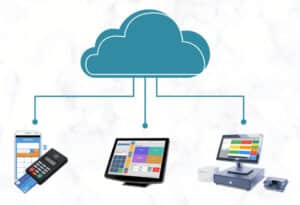
Cloud-based EPOS solutions enable you to monitor all venues from a signal dashboard, providing centralised control over inventory, menus and pricing, no matter where your sites are located. You can roll out promotions or changes with ease, and even redistribute stock between sites if required. As you add new locations, you can benefit from real-time data synchronisation and consolidated reporting, so you have the information you need to remain profitable.
Does the EPOS Solution Offer Integration Capabilities?
A future-ready EPOS solution will integrate with critical third-party tools, such as: reservation software, loyalty programs, accounting tools, Customer Relationship Management (CRM) solutions and third-party delivery platforms.
Ask vendors about their software’s integration capabilities to ensure you’re able to easily connect to new hospitality technologies as they emerge. Having the right integrations connected to your EPOS system can make a huge difference to day-to-day operations, streamlining tasks, boosting performance and ultimately, improving the customer experience.
Is the EPOS System Cloud-Based?
More businesses are moving towards cloud-based software, providing operation continuity and convenient access across all devices and locations. This flexibility is invaluable for busy hospitality venues, where system downtime would cause huge disruption to operations, and it can provide managers with insights on-the-go.
With cloud EPOS, you can also benefit from automatic software updates. As restaurants move towards providing a smarter, tech-driven service, cloud solutions enable you to implement the newest innovations instantly at every terminal. By adapting quickly, you can continue to provide a personalised experience and make strategic decisions based on live data from anywhere.
What Reporting Capabilities Does the EPOS System Provide?
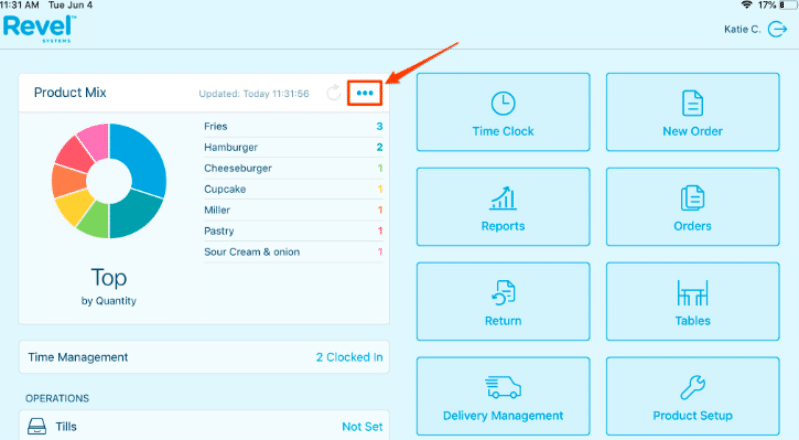
Data-driven decision making is essential for hospitality businesses to remain competitive. Ensure your EPOS system can provide the powerful insights you need, from menu performance to predictive sales forecasts. Ask vendors for demo reports to see what’s possible.
The best EPOS solutions will have built-in reports, helping you identify trends, spot inefficiencies and optimise operations in real time. With accurate, user-friendly reporting, you can refine business strategies and make more profitable decisions.
How Does the EPOS Software Handle Compliance and Regulatory Updates?
Since hospitality EPOS systems will contain sensitive customer data, it’s essential that they comply with all relevant legislation, such as GDPR and PCI DAA. Ask about regular security updates and how the vendor keeps up with evolving changes in this area.
Leading EPOS solutions should offer features such as end-to-end encryption, secure access controls, and built-in audit trails to safeguard transactions. Proactive vendors will regularly assess and update systems to address new security threats, providing peace of mind.
What Customer Support and Training is Provided?
When implementing EPOS system software, a vendor should have a consultative approach, helping you choose the right EPOS solution for your specific needs. They should also teach you how to make the most of your technology, ensuring all settings are configured correctly.
Ongoing support and training are essential to long-term success too. It’s beneficial to choose a vendor that doesn’t just provide initial setup support, but has responsive customer service and offers continuous training as new features become available. Building a long-lasting relationship with your vendor can help drive growth and innovation for your business.
Are Software Upgrades and New Features Included in the EPOS solution?
Before committing to any EPOS solution, it’s important to question what happens when technology evolves or new features are released. Find out whether software upgrades are automatically rolled out or if there are additional costs involved.
Regular updates ensure your EPOS software keeps up with changing business needs, as well as industry best practices and compliance regulations. By introducing new tools, you can improve the usability of your software too, making it work harder for your business.
Can the EPOS System Improve Guest Experience?
EPOS solutions for hospitality business should not just improve operational efficiency, but enhance the customer experience. From supporting omnichannel ordering to improving customer relationships with engagement tools, ensure your chosen EPOS system can help your business continue to impress guests for years to come.
When an EPOS system allows you to access guest preferences and previous orders, you can personalise recommendations and improve guest loyalty with targeted promotions and rewards. In addition, real-time stock control can help ensure guest favourites are always available, and tableside ordering will enable you to serve customers anywhere in your venue, creating the seamless and responsive experience guests expect.
If you’d like to find out more about the different types of EPOS solutions for hospitality businesses, contact our team at NFS Hospitality today. We pride ourselves on being a dependable supplier, providing personalised advice and ongoing support to restaurants. With vast experience, we understand the challenges of the industry and will happily work with you to make your everyday operations more efficient.
Over the years, the hospitality industry has seen an increase in technological innovations that make day-to-day operations much easier and more efficient. QR code ordering has become the ‘new normal’ for many restaurants, and it’s reshaping customer interactions and operational efficiency. What started as a trend driven by the need for contactless dining in 2020 has now become a standard feature, and one that customers often take advantage of.
As customer needs and expectations evolve, more and more restaurants are embracing the convenience of self-ordering via QR codes and providing customers with the ability to place orders directly from their smartphones without having to speak to a member of staff. In this post, we have explored how QR ordering systems are changing the way restaurants operate and why they have become the new normal across the industry.
The Popularity of QR Code Ordering
QR code ordering is revolutionising the dining experience. By simply scanning a QR code on their table, customers can access digital menus, place their orders and even pay their bill, all directly from their mobile device. This way of ordering prevents the need for traditional paper menus or front-of-house staff taking orders, speeding up the entire process and providing a more enjoyable experience for some diners.
In recent years, QR codes have become increasingly popular due to their convenience and ease of use. They are used across a range of industries in various settings, and as long as customers have a smartphone, they can make the most of self-ordering. With the growing demand for contactless and quick-service options, QR code ordering has quickly become a game-changer for restaurant businesses.
Empowering Customers
One of the main reasons why QR code ordering has become so popular is that it provides customers with more control over their dining experience. They can browse the menu without feeling rushed, exploring various offers and discounts available. Customers can also customise their orders, adding any special requests, and review their choices before submitting them straight to the kitchen. Once they’ve finished eating, they can also pay for their bill via multiple payment methods and without any delays, allowing them to get on with their day.
Since customers are no longer dependent on a server, they can enjoy their dining experience at their own pace. They can immediately place their orders as soon as they’re ready, reducing wait times and preventing delays that often occur when they’re trying to get someone’s attention. This streamlined process is particularly beneficial for quick-service restaurants with a high turnover of tables, making the entire experience more enjoyable.
Minimising Errors
When customers have the option to place their orders themselves, there’s less room for error. Traditional methods, where front-of-house staff write down orders and input them at service kiosks, are often prone to mistakes. From misheard requests to forgotten items, customers can be left dissatisfied and send orders back to the kitchen.
With QR code ordering, customers will directly input their choices into the ordering system. They can double-check the details before proceeding, which reduces the chance of errors. Not to mention, online orders are sent straight to the kitchen display system, reducing the likelihood of miscommunication between teams. This higher level of accuracy, combined with the faster service, will result in a better customer experience and fewer complaints.
Improving Operational Efficiency
In addition to benefiting customers, QR code orders can be incredibly useful for restaurants and will help improve operational efficiency. By reducing the need for employees to take orders manually, they will have more time to focus on other tasks, like serving drinks and meals, and maintaining a clean and welcoming environment.
Self-ordering will also speed up the overall dining process, helping with table turnover and increasing revenue. Since customers can order and pay without waiting for a server, you can seat more guests during busy periods and make the most of seasonal or promotional menus. This low-contact, streamlined process allows for a much more efficient workflow, so you can serve more customers in less time without impacting the guest experience.
Integrating with Restaurant POS Systems
When integrated with a restaurant POS system and kitchen management system, QR code ordering becomes even more effective. Together, these modern systems will enable accurate inventory control and immediate ordering processing. You can provide an uninterrupted service and even update menus in real time if required.
A modern POS system for restaurants also allows you to collect valuable data from QR code orders. From customer preferences and most popular menu items to overall sales trends, you can gain useful insights with advanced reporting capabilities. The data collected can then be used to improve everything from inventory management to staff scheduling, or even make adjustments to menus to meet customer demand more effectively.
Why QR Code Ordering is Here to Stay
As customers’ wants, needs and expectations continue to evolve, QR code ordering is proving to be a lasting trend in the hospitality industry. It perfectly meets the growing demand for fast, efficient and contactless dining experiences, putting the customer in full control. With the benefits for both guests and restaurant staff, it’s no surprise that so many businesses are offering self-ordering solutions to customers.
As QR codes become more of a common sight in restaurants, self-ordering will likely be the standard expectation. Guests enjoy the speed and convenience that comes with ordering and paying directly from their smartphones, and many don’t miss the interaction with servers. For restaurant owners, investing in a QR code ordering system that integrates with a restaurant POS system is a smart move that both improves customer satisfaction and optimises operations, supporting long-term success.
Looking to Implement QR Code Ordering?
It’s fair to say that QR code ordering is reshaping the way restaurants operate and interact with guests. If you’re looking to incorporate QR code ordering into your operations, NFS Hospitality can provide you with a comprehensive system that is trusted by many leading brands in the hospitality industry. Get in touch with our team today to learn more about how QR code ordering can benefit your business.
An Electronic Point of Sale (EPOS) system can optimise restaurant operations. This comprehensive software will manage all key aspects of your restaurant business, from order-taking to inventory control, providing you with one central system that can improve overall efficiency. However, it’s important to ensure you’re choosing the right EPOS software for your specific needs to truly reap the benefits of this powerful tool.
When narrowing down the available options, it’s important to consider more than just the features available. It’s essential to find an EPOS system that suits your operations, budget and long-term goals. Regardless of what type of restaurant you operate, you should evaluate your business needs and ensure the software is suitable for the day-to-day running of your business. Below, we have explored the key factors that will influence which EPOS system will work best for your restaurant and how you can make the most informed decision.
Size and Type of Venue
The type of restaurant you operate and the scale of your operations will play a crucial role in determining which EPOS system is best. For instance, smaller independent restaurants often have simpler workflows and fewer members of staff. Therefore, a user-friendly system that covers all the essentials, such as order-taking, payment processing and simple reporting, might be sufficient. Budget may also be a key consideration for smaller businesses.
On the other hand, larger restaurants or franchises typically need a more powerful system. Multi-location restaurants can benefit from cloud-based EPOS systems that provide centralised control over all sites and make it easy to manage operations from anywhere. Whether it’s updating menus or monitoring sales performance, having the ability to do so from a single dashboard offers several benefits and can streamline operations.
Menu Complexity and Workflow Requirements
Whether you have a simple menu that doesn’t change much throughout the year or a complex menu with multiple promotions and seasonal offerings will also impact which EPOS software is best suited to your needs. If your menu includes various customisation options and multiple courses, an EPOS system that sends orders directly to kitchen display systems can be beneficial, reducing the likelihood of mistakes and speeding up service.
Review your entire current workflow, from order-taking to payment processing, and consider the current communication between front-of-house and kitchen staff. The best EPOS software for restaurants should solve any pain points, such as offering tableside ordering to reduce wait times and optimise table turnover, or tracking inventory in real-time to update menus and prevent customer disappointment.
Integration with Other Systems
A restaurant EPOS system should do more than just process transactions; it should integrate with the other tools you rely on. When your EPOS software speaks to key systems, such as your reservation platforms, loyalty programmes and omni-channel ordering solutions, you can benefit from a seamless flow of information.
Look at which systems you use at different stages of the customer journey and consider how integration can streamline operations. When your software is in sync, it will improve accuracy and efficiency, and prevent issues with data loss.
Budget and Pricing Structure
Your budget is always an important factor when investing in new software. When it comes to a restaurant EPOS system, you need to consider the total cost of ownership, not just the upfront price. In addition to initial setup costs, covering hardware and installation, there are often ongoing subscription fees to be aware of.
Factors such as number of users and locations, amount of cloud data storage, customer support and updates, and also additional features will all impact the monthly costs associated with an EPOS system. When comparing costs, it’s important to factor the long-term return on investment into your decision too. While one EPOS system may cost more, if it offers significant benefits that can boost revenue, it could be more cost-effective over time.
Scalability and Future-Proofing
It’s wise to think ahead when you’re investing in new software. Choosing an EPOS system that can grow with your business can save you a lot of hassle in the long run. You can avoid having to switch platforms and re-train staff if your small business expands into new locations.
A future-proof EPOS solution should allow you to add more locations, terminals or users easily, supporting business growth. It should also support updates and new technologies, ensuring your restaurant remains compliant with industry standards and continues to meet customer expectations. With improved business intelligence, EPOS software can even help you grow your restaurant quicker. By using reporting tools, you can make data-driven decisions and reach your goals much sooner.
Technical Support and User Experience
Your software should always be straightforward to use, for both customer-facing and back-of-house teams. A confusing interface can slow down service and result in mistakes that negatively affect customer experience, especially during busy periods. Training should be simple too, making it easy to take on new staff and hit the ground running.
For restaurant EPOS systems, responsive customer support is essential. Whether you need help setting up hardware, adding new features or troubleshooting an issue, a provider with reliable technical support can make a huge difference. You can have peace of mind that your EPOS software is robust and reliable, and you will have an uninterrupted service.
Choosing the Best EPOS Software for Your Restaurant
Choosing an EPOS system is a key decision and one that will have a direct impact on your operations moving forward. At NFS Hospitality, we understand that no two restaurants are the same, and we deliver the best of breed software. Our EPOS solutions are designed to adapt to a wide range of operational needs, and they provide you with one smart, centralised system.
Our expert team will work closely with you to evaluate your current setup, identify your pain points, and recommend tailored solutions that suit your goals and budget. We have experience working with the biggest brands in hospitality and invite you to read some of the case studies on our website. If you have any questions about EPOS software for restaurants, feel free to get in touch with NFS Hospitality today.
The hospitality industry is undergoing a significant transformation, driven by technological advancements that enhance operational efficiency and elevate guest experiences. Central to this evolution is the adoption of cloud-based Point of Sale (POS) systems. These cloud based POS systems are not only replacing traditional setups but are also setting new standards for service delivery in hotels and restaurants.
The Shift to Cloud POS
Traditional POS systems often come with limitations such as high upfront costs, complex installations, and challenges in scalability. In contrast, a cloud based POS system offers flexibility, real-time data access, and seamless updates. This shift allows hospitality businesses to manage operations more efficiently, from anywhere, at any time.
Cloud POS solutions have revolutionized the way businesses in the hospitality sector operate. Unlike legacy systems, which require on-site servers and manual updates, cloud-based systems leverage the internet to store data remotely. This provides businesses with instant access to critical operational data, facilitates seamless software updates, and eliminates the need for expensive maintenance.
Another critical driver of this shift is the increasing reliance on mobile technology. Cloud POS systems are compatible with mobile devices, enabling businesses to streamline operations while improving customer service. Employees can take orders directly from guests via tablets or smartphones, reducing wait times and increasing efficiency. Additionally, cloud-based POS systems facilitate remote monitoring, allowing managers to oversee operations even when off-site.
Key Benefits of Cloud-Based POS Systems
Real-Time Data Access: Managers can monitor sales, inventory, and customer preferences in real-time, enabling informed decision-making and prompt responses to emerging trends.
Scalability: As businesses grow, cloud POS systems can easily scale to accommodate new locations or increased transaction volumes without significant additional investments.
Cost Efficiency: With lower upfront costs and reduced maintenance expenses, cloud POS systems are a cost-effective solution for many hospitality businesses.
Enhanced Customer Experience: Features like tableside ordering and integrated loyalty programs personalize the guest experience, leading to increased satisfaction and repeat business.
Business Continuity: Cloud-based systems ensure that data is securely backed up and can be easily restored in case of hardware failure or security breaches, but they also integrate well with physical security measures. Unlike traditional POS systems, cloud solutions mitigate the risks associated with on-site data storage.
Integration with Other Business Tools: Cloud-based POS systems can integrate with a wide range of tools such as customer relationship management (CRM) software, accounting platforms, and marketing automation solutions. This enhances efficiency and eliminates the need for manual data entry.
Integration with Other Systems
Modern cloud POS systems integrate seamlessly with other essential hospitality systems, such as property management and inventory management software. This integration ensures unified operations, reduces manual data entry, and minimizes errors, leading to more efficient and accurate service delivery.
Additionally, cloud-based POS solutions offer seamless connectivity with online ordering platforms, reservation management systems, and delivery services. This connectivity enables restaurants and hotels to provide a more comprehensive and convenient customer experience. Guests can place orders online, make reservations via apps, and even customize their dining preferences—all integrated within the cloud POS ecosystem.
Future Trends in Cloud POS for Hospitality
The future of a cloud based POS system in hospitality is promising, with several trends on the horizon:
Artificial Intelligence (AI) Integration: AI can analyse vast amounts of data to provide insights into customer behaviour, helping businesses tailor services and promotions effectively.
Mobile POS Systems: The use of mobile devices for processing transactions enhances flexibility and improves service speed, especially in dynamic environments like restaurants and event spaces.
Advanced Data Analytics: Leveraging data analytics allows businesses to forecast demand, manage inventory more effectively, and optimize staffing levels.
Voice-Activated Ordering Systems: The rise of voice recognition technology presents an opportunity for cloud POS providers to develop voice-activated ordering solutions. Customers will soon be able to place orders through voice commands, enhancing accessibility and convenience.
Blockchain for Security and Transparency: As cybersecurity threats continue to evolve, blockchain technology is emerging as a solution to enhance data security and improve transaction transparency in cloud POS systems.
Conclusion
The adoption of a cloud based POS systems is reshaping the hospitality industry, offering enhanced efficiency, scalability, and improved guest experiences. As technology continues to evolve, embracing these systems will be crucial for businesses aiming to stay competitive and meet the dynamic needs of their customers.
Cloud POS technology is more than just a trend—it is the foundation of the future of hospitality operations. By leveraging cloud solutions, businesses can unlock new opportunities for growth, efficiency, and customer satisfaction. As cloud POS providers continue to innovate, hospitality businesses must stay informed about emerging trends and technologies to remain ahead of the competition.
For more information on cloud POS solutions tailored for the hospitality industry, visit NFS Hospitality’s Cloud POS page.
The choice of a Point of Sale (POS) system can significantly impact the operational efficiency, customer experience, and ultimately, the success of a business. POS systems, serving as the hub of sales, inventory management, and customer management, have evolved from mere cash registers to sophisticated platforms that offer many features to support businesses in their daily operations. You need to get the right software as on-premise or cloud based pos systems for retail are not designed for restaurants – you need to get something tailored.
At the heart of this evolution is a critical decision that businesses, regardless of size and industry, find themselves grappling with: should they opt for a cloud-based POS system that boasts flexibility and real-time access, or a traditional on-premise solution known for its reliability and control? The answer is not straightforward, as each option comes with its unique set of advantages and challenges.
It is essential to keep in mind that the right choice varies from one business to another, depending on various factors such as the nature of the business, budget constraints, and specific operational requirements.
With this guide we want you to be able to choose the best EPOS system for restaurants for your business.
Overview of Cloud-based POS systems
Cloud-based POS systems represent a modern approach to managing sales and operations, harnessing the power of the internet to offer businesses a flexible and scalable solution. Unlike traditional systems, a cloud POS operates on a software-as-a-service (SaaS) model, where the software is hosted on remote servers and accessed via the web or an app. This model offers several distinct advantages and some drawbacks that businesses need to consider.
Key features and benefits:
Accessibility: one of the hallmark features of cloud-based POS systems is their accessibility. Business owners and managers can access sales data, inventory levels, and customer information in real-time from anywhere in the world, provided they have an internet connection. This level of accessibility supports informed decision-making and allows for greater flexibility in managing operations remotely.
Scalability: as businesses grow, their needs change. Cloud POS systems are inherently scalable, allowing businesses to add more registers, locations, or features with minimal hassle. This adaptability ensures that the POS system can grow alongside the business, without the need for significant overhauls or investments.
Cost-effectiveness: initially, cloud-based systems may appear more budget-friendly, especially for small to medium-sized businesses, due to their subscription-based pricing models. There’s no need for substantial upfront investments in hardware or software licenses. Instead, businesses pay a monthly or annual fee that often includes updates, maintenance, and technical support, reducing the total cost of ownership.
Potential drawbacks:
Dependency on internet connection: The primary limitation of cloud-based POS systems is their reliance on a stable and fast internet connection. Should the internet go down, accessing the POS system or processing transactions can become challenging, potentially disrupting business operations.
Ongoing costs: while the initial costs are lower, the subscription fees can add up over time, making it more expensive in the long run. Businesses need to carefully consider their long-term costs when opting for a cloud-based system.
Data security concerns: storing sensitive business and customer data on remote servers brings about concerns regarding data security and privacy. Reputable cloud POS providers invest heavily in security measures, but businesses should conduct thorough research to ensure their data will be protected against breaches.
Overview of On-premise POS systems
On-premise POS systems are the traditional choice for many businesses, offering a more conventional approach to sales and inventory management. Unlike their cloud-based counterparts, on-premise solutions are installed locally on a business’s servers and run on its network. This setup provides businesses with full control over their POS system and data, but it also comes with its set of challenges and considerations.
Key features and benefits:
Control and ownership: the most significant advantage of on-premise POS systems is the level of control and ownership they offer. Businesses have complete autonomy over their system, including customisation, data management, and security protocols. This control is particularly appealing for businesses with highly specific needs or those operating in industries with stringent data protection regulations.
Offline functionality: on-premise systems do not rely on an internet connection to operate. Transactions and operations can continue seamlessly, even during internet outages, making them reliable in environments where connectivity is inconsistent or unreliable.
One-time investment: although the initial cost of an on-premise POS system can be high—due to hardware purchases, software licenses, and setup fees—it’s a one-time investment. Over time, this can be more cost-effective than recurring subscription fees associated with cloud-based solutions, especially for larger businesses with the capital to invest upfront.
Limitations:
High upfront costs: the initial investment for on-premise POS systems is significant, making it a less viable option for small businesses or startups with limited budgets. The cost includes not only the software and hardware but also maintenance and potential upgrades.
Maintenance and updates: businesses are responsible for maintaining their on-premise systems, including hardware repairs and software updates. This responsibility requires in-house IT expertise or external support contracts, adding to the operational costs.
Scalability issues: scaling an on-premise POS system can be more complex and costly than a cloud-based solution. Expanding the system to accommodate business growth often requires additional hardware purchases and software licensing fees, as well as potential downtime during the upgrade process.
Comparative analysis
When choosing between a cloud based POS system and on-premise POS systems, businesses must weigh various factors to determine which solution aligns best with their operational requirements, budget, and long-term goals. This comparative analysis delves into the performance, security, and cost implications of each system, offering insights to help make an informed decision.
Cloud based POS systems are ideal for businesses that operate in multiple locations or require remote access to their sales and inventory data. The flexibility and real-time data synchronization make it easier to manage operations on the go. However, performance for cloud based pos systems heavily depends on internet connectivity, which can be a limiting factor in areas with unreliable internet service.
On-premise POS systems excel in environments where stability and speed are paramount, and internet connectivity might be sporadic. Since the system operates independently of an internet connection, businesses can ensure consistent performance even in offline modes. This makes it suitable for high-volume transactions in settings like large bars, clubs and restaurants.
Security Aspects: data security in cloud-based systems involves trusting a third-party provider to safeguard sensitive information. While reputable cloud-based POS systems for restaurants providers implement robust security measures, the nature of cloud storage inherently poses risks, especially in scenarios of widespread cyber threats. Businesses must assess the provider’s security credentials and compliance with industry standards.
On-premise systems offer businesses the opportunity to tailor their security measures to specific needs, potentially providing a higher security level. Since the data is stored locally, businesses have more control over access and protection. However, this also means that the responsibility for security updates and breach prevention falls squarely on the business, requiring a dedicated IT security team.
Cost implications: cloud-based pos systems for restaurants typically have lower initial costs due to their subscription model, which includes updates and support, making them attractive for small to medium businesses. On-premise systems, with their high upfront investment for hardware and software, might seem less appealing initially but can offer cost benefits in the long run.
The ongoing subscription costs of cloud-based POS systems can accumulate, potentially making them more expensive over an extended period. Conversely, on-premise systems, despite their higher initial cost, may become more economical, as businesses only incur significant costs during upgrades or expansions.
How EPOS Systems Improve Customer Experience
A modern point of sale system goes beyond processing transactions; it enhances the customer experience. For instance, restaurants using EPOS solutions can speed up table service with mobile ordering and payment options.
Additionally, you’ll benefit from quicker checkout processes and personalised promotions based on purchase history. These features not only improve customer satisfaction but also drive repeat business, making POS systems a valuable investment.
Sustainability: Cloud POS vs Traditional POS
Hospitality businesses are increasingly prioritising sustainability, and a cloud POS system often aligns with these goals. Cloud-based systems eliminate the need for bulky hardware and reduce energy consumption associated with on-premise servers.
The ability to access data remotely minimises the need for printed reports and paperwork. For eco-conscious businesses, this is an additional advantage of choosing a cloud POS solution.
Integrating EPOS with Other Business Tools
To maximise the benefits of your EPOS system, integration with other tools such as accounting software, payroll systems, and marketing platforms is essential. These integrations save time and reduce errors by automating tasks such as syncing sales data with your financial records.
For restaurants, integrating an EPOS system with online ordering platforms ensures seamless order management, enhancing operational efficiency.
Conclusion
Deciding between a cloud based POS system and on-premise POS systems requires a careful assessment of your business’s operational requirements, budget, and growth aspirations.
While cloud-based systems offer flexibility and ease of scaling, on-premise systems provide control and reliability, especially in environments where internet connectivity is a concern. It’s crucial to weigh the pros and cons of each system against your business needs and consider the long-term implications.
We encourage restaurateurs to thoroughly research the market. We can help. Our experts at NFS offer unbiased consultancy providing a tailored best of breed solution based on your needs and future growth plans. We integrate with industry-leading partners to provide functionality that will streamline your efficiency and drive profits today and for many years to come.
A modern cloud EPOS not only streamlines your sales and payment processes but also supports integrations that elevate every aspect of your business.
Having the right integrations connected to your EPOS system can make all the difference.
To give you a better idea of what you might need, let’s explore the best kinds of integrations for hospitality cloud EPOS systems that can help transform your operations, boost productivity, and enhance overall service quality.
Top Integrations to Consider
Integrating cloud EPOS systems with various tools can elevate your hospitality business’s performance, making operations more streamlined and customer experiences more memorable.
Here’s a deeper look into the top integrations to consider:
1. Reservation and Booking Software
Integrating reservation and booking platforms, such as OpenTable or SevenRooms, with your cloud based POS system ensures that table management and booking processes run smoothly:
Benefits: Helps synchronise reservation data with real-time table availability, minimising double bookings and optimising seating arrangements. This lets staff prepare for guest arrivals more effectively, reducing wait times and improving service efficiency.
Enhanced Guest Experience: Customers benefit from an organised reservation process, quick check-ins, and personalised service based on prior booking history.
2. Loyalty and Rewards Programs
Boost customer retention and encourage repeat business by integrating loyalty platforms like Paytronix or COMO with your EPOS:
Drive Repeat Business: With loyalty program integration, customers can easily accumulate points and redeem rewards during transactions. This incentivises repeat visits and increases brand loyalty as guests feel recognised and rewarded for their continued business.
Simplified Management: Loyalty program integrations automatically track and apply rewards, making it easier for both staff and customers to manage benefits.
3. Accounting and Financial Tools
Integrating accounting platforms like Xero or QuickBooks with your EPOS system is essential for streamlined financial management:
Automated Data Sync: Sales data from your EPOS system can be automatically transferred to your accounting software, ensuring that your books are always up to date without manual data entry. This reduces errors and saves valuable time.
Comprehensive Financial Reporting: Generate real-time financial reports that provide insights into cash flow, profit margins, and other financial metrics, helping you make informed decisions.
4. Inventory Management Systems
Integrations with inventory management tools like Nory offer real-time tracking and automated updates that improve stock control:
Real-Time Tracking: With inventory management integrations, stock levels are adjusted automatically as items are sold, helping prevent overselling and understocking. This leads to better cost control and purchasing decisions.
Replenishment Automation: Set thresholds for automatic stock replenishment notifications, ensuring your inventory stays well-maintained without manual checks.
5. Customer Relationship Management (CRM)
Integrating a CRM tool like HubSpot or Zoho CRM with your cloud EPOS system can personalise customer interactions and amplify marketing efforts:
Personalised Service: CRM integration allows you to collect and access customer data, including preferences, purchase history, and feedback. This enables your staff to offer tailored experiences that foster stronger customer relationships.
Targeted Marketing Campaigns: Utilise customer data to segment audiences and send targeted promotions, increasing the likelihood of repeat business.
6. Third-Party Delivery Platforms
Connecting your EPOS with third-party online ordering like Uber Eats or Deliveroo simplifies order management:
Seamless Order Processing: Orders placed through delivery apps are automatically sent to your EPOS system, reducing manual entry and the risk of errors. This leads to faster, more accurate order fulfilment.
Centralised Control: Manage all delivery orders from your POS systems’ dashboard, streamlining the process for both the kitchen and front-of-house staff.
7. Staff Scheduling and Management
EPOS integration with Workforce management tools like Harri or Nory simplify staff management:
Optimised Scheduling: Integration allows managers to create staff schedules based on sales forecasts and peak hours, ensuring the right number of staff members are available when needed. This helps prevent over- or understaffing, reducing labour costs while maintaining service quality.
Performance Tracking: Employee performance data can be tracked, such as individual sales contributions and productivity metrics.
These integrations empower hospitality businesses to create an interconnected system that enhances every facet of operations—from customer interactions to backend efficiency—ultimately boosting overall productivity and profitability.
Emerging Integrations in Hospitality Tech
The hospitality industry is continually evolving, with new technology integrations shaping how businesses operate and interact with their customers.
These are some of the most impactful emerging integrations in hospitality tech:
1. AI-Based Integrations for Data Analysis
AI is transforming how businesses in the hospitality sector gather, analyse, and act on data.
Integrating AI-based tools with cloud based POS systems can provide insights that drive better decisions:
Enhanced Customer Insights: AI-based data analysis tools can track and analyse customer behaviour, preferences, and spending patterns. This lets businesses tailor marketing campaigns, personalise guest experiences, and create targeted promotions.
Predictive Analytics: AI integrations can predict future trends based on past data, helping businesses prepare for peak periods, adjust inventory, and plan staffing accordingly. This approach minimises waste and improves resource allocation.
Operational Efficiency: AI can assist in automating repetitive tasks, like inventory replenishment and report generation, freeing up staff to focus on customer service and other critical areas.
2. Contactless Payment Solutions and Digital Wallets
The demand for convenience and speed in transactions has made contactless payment solutions and digital wallets essential integrations for modern hospitality businesses:
Enhanced Guest Experience: Contactless payment methods like Apple Pay offer customers a quick and seamless way to pay. This not only speeds up the checkout process but also meets the growing expectation for hygienic transactions.
Improved Payment Security: Contactless payment solutions are equipped with advanced security features that protect customer data and reduce the risk of fraud.
Wider Payment Options: By integrating contactless payment systems, businesses can offer flexible payment options that cater to diverse customer preferences, boosting customer satisfaction and potentially increasing sales.
3. Integrations Supporting Sustainability
Sustainability is a growing focus for both businesses and customers in the hospitality industry.
Integrating eco-friendly tools that support sustainability can help businesses meet these expectations while improving their bottom line:
Reducing Food Waste: Waste reduction tools such as Winnow track food usage and waste patterns. Through AI-powered image recognition and data analytics, these tools can identify areas where food waste is most prevalent and suggest adjustments to inventory and menu planning. This leads to cost savings and aligns with sustainable business practices.
Eco-Friendly Inventory Management: Integrations that monitor and manage inventory efficiently can prevent over-ordering and reduce spoilage, supporting a more sustainable supply chain.
Customer Engagement with Sustainability Initiatives: Sustainability-focused integrations can also inform customers of a business’s eco-friendly practices, fostering a positive brand image and appealing to environmentally conscious consumers.
Emerging integrations in hospitality tech are setting the stage for a more data-driven, customer-centric, and eco-friendly future.
By adopting these tools, hospitality businesses can stay competitive, improve their operations, and meet the evolving expectations of their customers.
Tips for Choosing the Right Integrations
Selecting the best integrations for your cloud EPOS system is crucial to ensuring that your business reaps maximum benefits.
Below are some key tips to guide you in making the right choices based on the type and size of your business’ unique needs:
1. Considerations Based on the Type and Size of Your Hospitality Business
Integrations should align with your specific business needs and scale.
Here’s how to approach this based on different types and sizes of hospitality businesses:
Small Cafés and Independent Restaurants: Focus on integrations that address core needs without overwhelming your system or budget. Essential integrations might include basic reservation software, simple loyalty programs, and inventory management tools.
Mid-Sized Restaurants and Chains: For businesses with higher traffic and multiple locations, consider more robust integrations that support multi-location management, CRM systems, and employee scheduling tools. These standardise operations and maintain consistency across all sites.
Large-Scale Hotels and Hospitality Groups: Larger operations need scalable integrations. This includes integrating with property management systems (PMS), accounting software, CRMs, and real-time inventory management systems.
Type of Establishment: A fine dining restaurant might benefit more from high-level reservation and customer experience integrations, while a fast-casual eatery might prioritise third-party delivery platforms and staff management tools.
2. Budget and ROI Analysis
Investing in integrations should be seen as a strategic move that enhances your profitability over time.
Conduct a budget and ROI analysis to ensure that the integrations you choose are both cost-effective and beneficial in the long run:
Initial Costs vs. Long-Term Savings: Weigh the initial setup costs of integrations against the potential savings they offer in terms of time, labour, and operational efficiency. For instance, an investment in automated inventory management may have upfront expenses but can significantly reduce waste and manual tracking costs over time.
Subscription and Maintenance Fees: Some integrations come with ongoing subscription fees or maintenance costs. Make sure to factor these into your budget and compare different providers to find the best value for your needs.
Projected ROI: Evaluate how each integration can contribute to your revenue. For example, integrations with loyalty programs may encourage repeat business, while employee scheduling tools can reduce labour costs.
Trial and Pilot Programs: Take advantage of free trials or pilot programs offered by integration providers. This allows you to test the compatibility and effectiveness of the software before committing to a long-term contract.
Integration Compatibility and Future Growth: Choose integrations that are compatible with your current cloud EPOS system and can scale as your business grows. This ensures you won’t need to overhaul your entire system when your operations expand, saving on future costs and disruptions.
Selecting the right integrations requires balancing practicality, financial feasibility, and strategic fit.
By carefully considering your business type and scale, and performing a thorough budget and ROI analysis, you can make informed decisions that enhance your cloud EPOS system’s capabilities and support your long-term business goals.
Integrations for Boosting Functionality
Strategic integrations can turn a standard cloud EPOS system into a powerhouse of functionality, tailored to meet the diverse needs of a hospitality business.
Without integrations, an EPOS system may handle basic sales and payment functions effectively, but it won’t fully maximise efficiency. By incorporating certain integrations, businesses can unlock several benefits:
Streamlined Operations: Integrations enable your EPOS system to communicate directly with other tools and platforms, such as reservation systems and kitchen display units. This leads to smoother service delivery, faster transaction processing, and less operational friction.
Enhanced Customer Experience: Integrations like CRM and loyalty program software ensure that customer data and preferences are accessible at every point of service. This allows you to offer personalised service, targeted promotions, and a superior guest experience.
Unified Management of Multiple Business Functions: From inventory tracking and accounting to employee scheduling and performance monitoring, integrations centralise these functions within the EPOS system. This not only makes it easier to track of day-to-day operations and provides a view of the business’s health in real time.
Improved Data Accuracy and Reporting: When systems like inventory management, financial tools, and customer feedback platforms are integrated, data flows seamlessly between them. This synchronisation ensures that reports generated by the EPOS system are up-to-date and accurate, giving decision-makers more reliable insights for strategic planning and performance reviews.
Flexibility and Scalability: Integrations offer the flexibility to customise your EPOS system to match the unique needs of your business. As your business grows or your needs change, you can add or modify integrations to scale operations without overhauling your entire system.
Reduced Costs and Increased Efficiency: Automation helps reduce labour costs by minimising the need for manual tasks and repetitive work. For example, integrating accounting software can streamline invoicing and payroll processing, saving both time and resources.
In general, integrations empower a cloud EPOS system to become more than just a transactional tool; they transform it into a solution that supports every aspect of a hospitality business.
Key Benefits of Cloud EPOS Integrations
1. Improved Operational Efficiency
Integrating your cloud EPOS with other essential business tools streamlines the flow of information and reduces the need for manual input across different systems. This leads to:
Automation of Repetitive Tasks: Time-consuming processes like updating inventory, managing orders, and processing payments can be automated through integrations.
Real-Time Data Synchronisation: Integrated systems ensure that information is updated in real time. For example, when a sale is made, inventory counts adjust automatically, and accounting records are updated instantly.
Simplified Workflow: With interconnected systems, employees can navigate fewer platforms to accomplish tasks. A single dashboard might display sales data, bookings, and inventory, speeding up decision-making and day-to-day operations.
2. Enhanced Customer Experience
Customer satisfaction is a cornerstone of success in the hospitality industry. Integrations with a cloud EPOS system help elevate the customer experience by enabling personalised and efficient service:
Personalised Interactions: Integrating with CRM software allows businesses to store customer preferences and feedback. This helps staff offer tailored recommendations and promotions.
Loyalty Programs and Promotions: Integrations with loyalty platforms enable seamless point collection and reward redemption, encouraging repeat visits and a positive connection with your brand.
Faster and Contactless Payments: Payment integration supports a range of payment methods, speeding up transaction times and giving customers flexibility in how they pay.
Enhanced Order Accuracy: When orders are processed through integrated systems that link the front of the house to the kitchen and bar, the chances of errors decrease. This ensures customers receive exactly what they ordered, which boosts satisfaction and reduces complaints.
3. Streamlined Staff Management
Effective management of employees is vital to running a smooth hospitality business, and cloud EPOS integrations can make this easier and more efficient:
Automated Scheduling: Integrations with workforce management tools help automate shift scheduling, ensuring that staffing levels are optimised to match peak hours and special events. This reduces the burden on managers and improves coverage without overstaffing.
Performance Tracking: By linking EPOS data with employee management systems, you simplify performance tracking. Metrics such as sales per hour, upsell success rates, and table turnover can be analysed to reward staff or provide targeted training.
Time Clock Integration: Integrating time-tracking software with your EPOS system allows employees to clock in and out through the same platform, simplifying payroll processing and maintaining records.
Streamlined Communication: Communication integrations allow managers and staff to send real-time updates, shift changes, and announcements directly within the EPOS system, improving coordination and response times.
Conclusion
Incorporating the right integrations into your cloud EPOS system can transform how your hospitality business operates and serves its customers.
From AI-driven data analysis that sharpens decision-making to contactless payment solutions that cater to modern customer preferences, and sustainability-focused tools that align with eco-friendly practices, these emerging technologies offer substantial benefits.
By carefully considering your business’s type, scale, and budget, and focusing on integrations that deliver a tangible ROI, you can create a streamlined, efficient, and future-ready operation.
Embracing these integrations not only enhances operational efficiency and customer satisfaction but also positions your business as an innovative leader in the ever-evolving hospitality landscape.
To take your hospitality business to new heights,contact NFS Hospitality to find the right cloud EPOS for your operation.
In the restaurant industry, efficiency and adaptability are key to staying competitive.
If you’re a restaurant owner, you probably already have one in place, but are you leveraging its full potential?
In this guide, we’ll look at practical strategies to maximise your restaurant’s cloud EPOS capabilities—from advanced reporting to seamless integration with other tools—so you can improve service, optimise costs, and ultimately drive growth.
Optimising Order Management and Speed of Service
In hospitality, every second counts, and the speed of service can make or break the customer experience. A cloud-based POS system can improve how orders are managed and processed, reducing wait times, enhancing accuracy, and creating a more efficient workflow.
1. Mobile Ordering and Tableside Service
Mobile ordering allows servers to take orders directly at the table using a handheld device, such as a tablet or smartphone. This eliminates the need to run back and forth to a central POS terminal.
Orders are immediately sent to the kitchen, allowing the kitchen staff to start preparing meals without delay, leading to faster turnaround times and an enhanced customer experience.
Advantages of Mobile Ordering:
Increased Order Accuracy: Orders entered tableside reduce the chance of miscommunication.
Enhanced Upselling Opportunities: With customer data and item suggestions readily available, servers can easily offer add-ons or upgrades.
Streamlined Payment Process: Servers can also process payments at the table, minimising the wait for bills and improving table turnover rates.
2. Integrated Kitchen Display Systems (KDS)
A KDS replaces traditional paper tickets with digital screens that organise and display orders as they come in. This allows kitchen staff to see orders immediately, with colour-coded indicators for priority orders, items ready to be served, and any customisations or dietary requirements.
Benefits of KDS:
Reduced Order Confusion: The KDS displays each item’s status, helping chefs and kitchen staff keep track of what needs to be prepared.
Improved Workflow: Orders are organised by priority, ensuring that dishes are prepared in the correct order, helping the team maintain a smooth workflow, even during rush hours.
Real-Time Order Updates: If a customer makes a change to their order, the KDS updates immediately, preventing errors and communicating to the kitchen instantly.
3. Order Batching and Efficient Course Management
For large parties or busy times, cloud based systems can batch orders, grouping similar items to be prepared simultaneously. This minimises the time it takes to prepare and deliver each course, creating a seamless dining experience, especially for group diners who expect courses to be served together.
Batching and Course Control Benefits:
Reduced Preparation Time: Grouping similar orders reduces prep time and improves kitchen efficiency.
Enhanced Customer Satisfaction: Guests receive dishes simultaneously, improving the dining experience for larger parties.
4. Self-Ordering Options
Cloud EPOS systems can facilitate self-ordering kiosks or tableside tablets, where customers can place orders directly. This option speeds up service, especially for casual dining settings, by allowing customers to control their experience and reducing wait times
Self-Ordering Benefits:
Empowered Customers: Guests can place and customise their orders without waiting, allowing them to enjoy a personalised experience.
Minimised Errors: When customers place their orders themselves, there’s less room for error, which reduces dissatisfaction and returns.
5. Real-Time Communication and Notifications
Communication between front-of-house and back-of-house staff is crucial for efficient service.
With a cloud based system, any updates on customer orders are instantly shared, and notifications can alert servers when items are ready.
Real-Time Updates and Notifications:
Improved Coordination: Real-time notifications allow staff to communicate efficiently, ensuring that orders are served at their best.
Reduced Wait Times: Prompt communication minimises the time food spends waiting to be served, maintaining quality and customer satisfaction.
Enhancing Customer Experience Through Personalisation
Personalised service can be the key differentiator that keeps customers coming back. A cloud EPOS system can serve as a powerful tool to collect, analyse, and leverage customer data, allowing restaurants to create tailored experiences that build loyalty and drive repeat visits.
1. Using Customer Data to Personalise Service
Every interaction a customer has with your restaurant generates valuable data. Cloud based POS systems can store customer preferences, order history, and special requests, enabling servers to tailor their service accordingly.
Benefits of Personalised Service:
Enhanced Customer Satisfaction: Guests feel valued and understood, leading to a more memorable dining experience.
Streamlined Service: By knowing a customer’s preferences ahead of time, servers can anticipate needs, resulting in a smoother, faster service.
Improved Staff Confidence: With access to customer data, servers are better equipped to make recommendations that suit each guest’s preferences.
2. Building Loyalty Programs for Repeat Visits
Cloud EPOS systems can also help set up and manage customer loyalty programs.
By tracking visit frequency, total spending, and menu preferences, restaurants can create customised loyalty rewards that encourage customers to return. These rewards can be points-based or tied to specific purchases, such as discounts or a free item after a certain number of visits.
Benefits of Loyalty Programs:
Increased Customer Retention: Rewards give customers a reason to return, driving repeat business and establishing a loyal customer base.
Enhanced Guest Engagement: A well-designed loyalty program can engage guests with exclusive offers, such as early access to new menu items or special event invitations.
Data-Driven Insights: As customers participate, their preferences and spending patterns provide deeper insights into what drives repeat business, helping you refine your offerings.
3. Tailored Promotions Based on Customer Insights
Cloud EPOS systems allow you to segment customers based on factors such as purchase frequency, meal preferences, and average spend.
With this data, you can create targeted promotions that resonate with specific customer groups, maximising the impact of each campaign.
Examples of Targeted Promotions:
Birthday Offers: Automatically send a special offer or discount for a customer’s birthday, encouraging them to celebrate at your restaurant.
Seasonal Discounts: Offer discounts on popular items based on seasonal trends or past customer behaviour, such as summer cocktails or holiday desserts.
Customised Upsell Opportunities: Use data to suggest add-ons that align with customers’ preferences, such as wine pairings or dessert options.
4. Improving Marketing with Real-Time Feedback
Customer data collected through the cloud EPOS system provides real-time insights into what’s what isn’t. By analysing this data, you can adapt promotions, menus, and service strategies based on customer responses.
Benefits of Real-Time Feedback:
Quick Adaptability: Immediate access to customer feedback lets you make adjustments on the fly, ensuring your offerings stay relevant.
Enhanced Marketing Effectiveness: Promotions and offers are based on actual customer preferences and behaviours, leading to higher engagement and conversions.
Increased Revenue: With targeted promotions and timely adjustments, you can maximise the profitability of promotions, reducing waste and increasing the overall spend per customer.
5. Automating Personalised Experiences
Many cloud EPOS systems offer automation tools that allow you to set up personalised messaging or promotions that are triggered by specific customer behaviours.
Advantages of Automation:
Consistent Engagement: Automated messages keep your restaurant top-of-mind for customers, especially those who may need a reminder to visit.
Effortless Personalisation: Automation allows you to maintain personalised engagement at scale, without requiring constant manual input.
Boosted Loyalty: Automated re-engagement messages help retain customers, strengthening loyalty and reducing the cost of customer acquisition.
Leveraging Data and Analytics for Decision-Making
One of the most powerful advantages of a cloud-based EPOS system is its ability to collect and analyse vast amounts of data.
By providing detailed reports on sales, peak times, customer preferences, and more, a cloud EPOS system equips restaurant managers with the insights needed to make strategic, data-driven decisions.
1. Sales Analysis for Menu Optimisation
Cloud EPOS systems track each menu item’s performance, allowing managers to quickly identify bestsellers, low-performers, and seasonal favourites.
By reviewing sales data, managers can make data-backed adjustments to the menu—highlighting popular items, rotating out underperforming dishes, and experimenting with new options.
Benefits of Sales Analysis:
Boosting Profit Margins: By promoting high-margin items and phasing out less profitable dishes, restaurants can increase revenue with minimal changes.
Enhancing Customer Satisfaction: Customers are more likely to return if the menu features items that align with their preferences and popular demand.
Reducing Waste: By understanding which items sell well and which don’t, managers can adjust order quantities, minimising waste and lowering inventory costs.
2. Identifying Peak Times for Efficient Staffing
A cloud EPOS system’s data can reveal peak hours, busy days, and seasonal trends, helping managers determine when to schedule more staff or when it may be feasible to operate with a leaner team.
This data-driven approach to staffing ensures that service remains efficient without overspending on labour during slower periods.
Advantages of Peak Time Analysis:
Cost Savings: Optimised staffing means reduced labour costs during off-peak times, allowing for better budget management.
Improved Service Quality: With the right number of staff during busy hours, wait times decrease, and customer satisfaction improves.
Employee Morale: Consistent staffing levels help prevent burnout among employees during rushes and ensure they’re supported during high-demand times.
3. Tracking Customer Preferences for Tailored Offerings
Cloud EPOS systems can track customer preferences and buying patterns, offering insights into common modifications, dietary requests, and popular pairings.
This allows restaurants to tailor offerings, add popular items to the menu, or create upsell opportunities that resonate with customer tastes.
Benefits of Understanding Preferences:
Personalised Marketing: Managers can create promotions and menu items that appeal directly to their audience.
Enhanced Guest Experience: Catering to popular demands and preferences fosters customer loyalty and satisfaction.
Strategic Menu Development: Insights into preferred flavours or dietary needs (e.g., vegetarian or gluten-free) guide decisions when adding or modifying dishes.
4. Inventory Management and Waste Reduction
Effective inventory management is essential to maintaining profitability and sustainability.
A cloud EPOS system can track inventory in real time, correlating sales data with stock levels to predict shortages or prevent overstocking.
Inventory Management Benefits:
Reduced Waste: Inventory analytics allow managers to make precise purchasing decisions, reducing spoilage and waste.
Cost Control: With clear insights into what’s being used and sold, managers can avoid unnecessary expenses on excess stock.
Supplier Optimisation: Historical data on ingredient usage and demand can be shared with suppliers, enabling more accurate ordering and potentially better pricing on bulk orders.
5. Budget Forecasting and Financial Planning
Cloud EPOS data can assist with budget forecasting by analysing revenue trends, high-margin items, and cost patterns.
Understanding which days or weeks generate the most income allows managers to plan promotions and allocate resources effectively, while the breakdown of revenue per menu item assists in strategic pricing.
Financial Planning Advantages:
Accurate Budgeting: Real-time insights into sales and costs allow for more accurate financial forecasting and planning.
Informed Investment Decisions: Revenue data helps determine when it’s financially viable to invest in new equipment, renovations, or marketing campaigns.
Profit Maximisation: A well-informed pricing strategy based on historical data can maximise profits by adjusting prices without affecting demand.
6. Benchmarking Performance Over Time
Cloud EPOS systems often allow restaurants to compare performance over different periods. This benchmarking provides valuable insights into trends, seasonality, and long-term growth, helping managers set realistic goals and measure success.
Benefits of Performance Benchmarking:
Goal Setting and Tracking: Setting benchmarks allows managers to track progress, celebrate achievements, and identify areas for improvement.
Seasonal Trend Analysis: Comparing data across seasons reveals predictable trends, allowing for pre-emptive stock and staffing adjustments.
Informed Strategic Planning: Benchmarking data over years informs high-level decisions, such as expansion or renovation plans, based on consistent growth metrics.
7. Making Real-Time Adjustments with Live Data
Unlike traditional POS systems, cloud EPOS systems offer real-time data that allows managers to make on-the-spot adjustments as needed.
Whether it’s identifying a sudden surge in demand for a particular item or recognising an unexpectedly busy period, managers can respond immediately to ensure smooth operations.
Advantages of Real-Time Adjustments:
Quick Adaptability: Real-time data lets managers make immediate changes, like restocking popular items or adjusting staff assignments.
Improved Customer Experience: Swift adjustments based on live data ensure that customer service is not compromised during peak times or unexpected rushes.
Operational Efficiency: Proactive decision-making based on real-time data reduces disruptions and keeps the team aligned with current demand.
Conclusion
Efficiency, flexibility, and data-driven decision-making are key to success. A cloud based system provides the robust tools needed to streamline operations, enhance the customer experience, and support your business as it grows.
By optimising order management, leveraging real-time data for strategic decisions, and personalising both service and marketing, a cloud POS system is much more than just a point-of-sale tool—it’s a comprehensive platform for growth.
As you consider ways to improve your restaurant’s operations, consider reaching out to the experts atNFS Hospitality to find a POS system that works for you and your business.
In hospitality, staying ahead of the competition means embracing technology that enhances efficiency, improves customer service, and streamlines operations.
Unlike traditional systems, cloud EPOS offers greater flexibility, real-time data access, and seamless integration with other tools.
This shift to the cloud empowers restaurants to operate more efficiently, deliver exceptional customer experiences, and adapt quickly to industry changes.
1. Real-Time Data and Analytics
Cloud-based systems grant the ability to access real-time data from anywhere, on any device with an internet connection.
Traditional systems generally require on-site access or manual syncing, limiting flexibility and slowing down critical decision-making. Cloud based POS systems allow restaurant owners to stay connected with their business at all times, whether they’re on the floor, in the back office, or offsite.
Sales Data at Your Fingertips
With real-time access to sales data, restaurant operators can monitor transaction activity as it happens.
This provides a clear and immediate view of top-selling items, sales trends, and peak business hours, allowing for on-the-fly adjustments.
Whether it’s deciding to push a high-margin item during a busy shift or adjusting staffing levels based on current sales, having this data instantly available leads to smarter, more responsive decisions.
Inventory Monitoring and Control
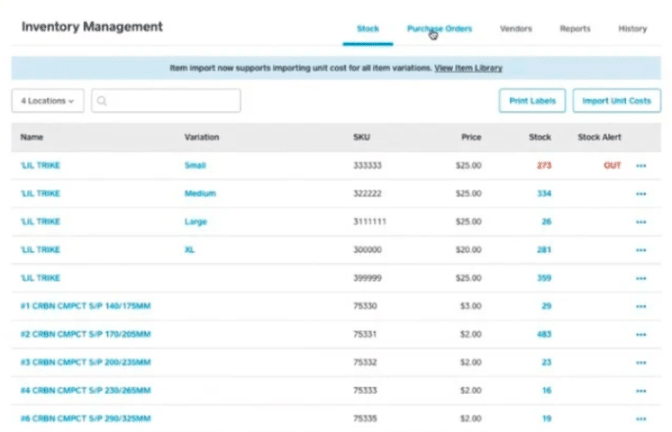
A cloud EPOS system can manage inventory levels in real-time.
As orders are processed, stock levels are updated automatically, providing a live snapshot of what’s in the kitchen and what’s running low.
This also allows for better planning and cost control, helping restaurants avoid waste and ensuring that you always have what you need to meet customer demand.
Customer Data Insights
Cloud based POS systems also allow for the collection and analysis of customer data.
The system can track customer preferences, order history, and spending habits. This can be used to tailor promotions, design personalised marketing campaigns, and enhance loyalty programs, all aimed at improving customer retention and boosting repeat business.
Smarter Decision-Making and Performance Tracking
This real-time data means restaurant operators can make informed decisions quickly.
Whether it’s optimising menu offerings, adjusting pricing strategies, or managing labour costs, cloud EPOS provides actionable insights that are crucial for running a profitable restaurant.
Performance tracking also becomes more accurate, allowing managers to monitor KPIs like average spend per customer, table turnover rates, and staff productivity—all in real time.
2. Enhanced Flexibility and Remote Access
Cloud POS provides remote access, allowing restaurant owners and managers to oversee operations from anywhere in the world, as long as they have an internet connection.
This flexibility offers unparalleled convenience and control.
Manage Your Restaurant from Anywhere
With a cloud based EPOS system, restaurant management is no longer confined to a single location.
Owners and managers can log in remotely to monitor sales, track inventory, and analyse performance metrics in real time.
Remote access also allows managers to perform critical tasks like updating menus, changing prices, and reviewing staff schedules from anywhere.
Streamlining Operations for Multi-Location Restaurants
For chains or those with multiple locations, cloud EPOS systems offer a powerful advantage in maintaining consistency across the brand. Managing several locations with a traditional, standalone point of sale system can result in disjointed operations, data silos, and inefficiencies.
With a cloud-based system, data from different locations is centralised, allowing for seamless access and management across the board.
Managers can compare performance metrics between locations, identify underperforming branches, and implement improvements swiftly. Menu updates, promotional campaigns, and pricing adjustments can be rolled out across all sites instantly.
Empowering Multi-Tasking and Collaboration
Accessing the system remotely facilitates better collaboration between staff and managers, even when managing multiple locations.
The cloud-based nature of the system allows for seamless communication between kitchen staff, servers, and management, reducing errors and improving service delivery.
Flexibility to Scale with Your Business
As your restaurant business grows, cloud EPOS systems provide the flexibility to scale without the need for costly hardware upgrades or complex system integrations.
New locations can be added to the platform with ease, and data from all sites remains accessible in one central hub. This scalability ensures that the EPOS system grows with your business, helping you to maintain operational consistency and high service standards as you expand.
3. Streamlined Inventory and Supply Chain Management
With real-time tracking, automation features, and seamless integrations, cloud EPOS transforms the way restaurants manage stock levels, interact with suppliers, and control costs.
Monitoring Stock Levels in Real-Time
Cloud POS systems allow restaurant operators to monitor inventory levels in real time, ensuring that stock counts are always accurate.
As items are ordered and processed through the system, the inventory is automatically adjusted. This eliminates the need for manual stock checks, reducing the risk of human error.
Real-time monitoring also lets restaurants identify trends in product usage, helping managers anticipate busy periods and adjust stock levels accordingly. This reduces waste, prevents overstocking, and ensures that popular items are always available during peak hours.
Automated Reordering
Cloud EPOS systems can be configured to automate the reordering process, ensuring that key ingredients and supplies are replenished before they run out.
When stock levels reach a predetermined threshold, the system can automatically trigger orders to suppliers, reducing the risk of shortages that could impact service quality. This not only saves time for managers but reduces the likelihood of costly last-minute orders or rushed deliveries.
Preventing Shortages and Overstocking
One of the biggest challenges in inventory management is balancing stock levels to avoid shortages and overstocking. Cloud EPOS helps restaurants strike the right balance by providing insights into which items are selling quickly and which are not.
By analysing past sales data, the system can predict demand and suggest optimal stock levels, ensuring that restaurants order just the right amount of each product. This predictive capability reduces waste, lowers food costs, and keeps you prepared to meet customer demand.
Supplier Integration for a Smoother Supply Chain
Another significant benefit of cloud EPOS systems is their ability to integrate with suppliers. Many cloud EPOS platforms allow restaurants to link directly to supplier portals, streamlining the ordering process.
This means that managers can place orders, track deliveries, and even negotiate pricing without leaving the EPOS system.
Restaurants can track order histories, review past invoices, and compare prices, making it easier to manage supplier relationships and optimise purchasing decisions.
Cloud EPOS systems can also be integrated with accounting software, allowing for seamless financial tracking and ensuring that costs are recorded accurately in real time.
Enhancing Supply Chain Efficiency
These systems provide better visibility into the entire supply chain. Managers can track orders from suppliers, monitor delivery times, and identify any delays or disruptions that could impact the kitchen.
This visibility helps restaurant operators react quickly to supply chain issues, whether that means finding an alternative supplier or adjusting the menu to reflect available ingredients.
4. Improved Customer Experience
Delivering an exceptional customer experience is key to building loyalty and ensuring repeat business.
Cloud EPOS systems play a significant role in enhancing this experience by streamlining operations, reducing wait times, and offering personalised service.
Additionally, features like loyalty program integration and online ordering provide added convenience for customers, helping restaurants stand out in a crowded market.
Faster Order Processing and Reduced Wait Times
One of the most immediate ways cloud EPOS systems improve the customer experience is by speeding up order processing. With orders entered directly into the system and instantly sent to the kitchen, the risk of errors is reduced, and service becomes more efficient.
Servers can quickly take orders via tablets or mobile devices, eliminating the need for handwritten notes or trips back and forth to the terminal. This ensures that orders are processed faster, which in turn reduces wait times for customers.
Restaurants with busy takeout or delivery services can also streamline order management. Orders placed online or through third-party apps are automatically integrated into the system, reducing delays and ensuring that both in-house and delivery customers receive their meals promptly.
Personalised Service Through Customer Data
Cloud EPOS systems allow restaurants to offer more personalised service.
By storing customer data, including past orders, preferences, and even allergy information, restaurants can tailor the dining experience to individual guests.
This level of personalisation helps build stronger relationships with customers.
Restaurants can also use customer data to send personalised offers, discounts, or event invitations, further improving customer satisfaction and encouraging repeat visits.
Whether it’s sending a birthday promotion or offering a discount on a frequently ordered item, these targeted marketing efforts can significantly boost customer engagement and loyalty.
Loyalty Program Integration
Many cloud EPOS systems come with built-in loyalty program features, making it easier for restaurants to reward their most loyal customers. Instead of relying on physical punch cards or manually tracking points, cloud EPOS systems automatically track customer spending and reward points.
This allows restaurants to seamlessly implement and manage loyalty programs, encouraging customers to return more often.
For customers, loyalty program integration simplifies the process of earning and redeeming rewards.
Whether they dine in or order online, their points are tracked across all platforms, making it easy for them to accumulate rewards and enjoy benefits like discounts, free items, or exclusive offers.
Online Ordering and Delivery Integration
The growing demand for online ordering and delivery has made it essential for restaurants to have a system that can efficiently handle both dine-in and remote customers.
Cloud EPOS systems can integrate seamlessly with online ordering platforms, allowing customers to place orders through a restaurant’s website or app without any extra steps required by staff.
When an order is placed online, it goes directly into the EPOS system, where it is treated like any other order—minimising the risk of errors or delays. This ensures that the kitchen and front-of-house staff remain in sync, even when managing multiple channels of service.
Online ordering integration also allows for greater consistency in customer experience. Customers can easily customise their orders, view menu updates, and even track their delivery, all while their information is saved in the system for future orders.
Seamless Payment Options
Cloud EPOS systems enhance the payment process by offering a variety of payment options.
Whether customers prefer to pay by card, mobile wallets like Apple Pay or Google Pay, or even through contactless options, cloud EPOS ensures a smooth and fast transaction.
In some systems, customers can split bills easily or leave tips digitally, streamlining the checkout process and reducing friction at the end of their dining experience.
5. Employee Management and Scheduling
Managing staff efficiently is critical to running a successful restaurant, and cloud EPOS systems provide powerful tools to simplify this process.
From tracking employee hours to optimising labour costs, these systems help reduce administrative burdens while ensuring smooth operations.
Efficient Management of Employee Hours
Cloud EPOS systems allow for real-time tracking of employee hours, making it easy for managers to monitor attendance and ensure that staff are working their scheduled shifts.
Employees can clock in and out directly through the system, allowing the EPOS to capture exact work times without relying on manual timekeeping methods. This not only reduces the potential for errors but also guarantees accurate payroll.
These systems allow managers to set alerts for overtime or violations of labour regulations, helping them stay compliant with local employment laws.
With this real time data, managers can quickly address any issues, such as late arrivals or early departures, which may impact service quality or labour costs.
Tracking Labour Costs
Labour costs are one of the largest expenses in the restaurant industry, and controlling these costs is vital for maintaining profitability. Cloud EPOS systems offer detailed reporting on labour expenses, allowing managers to track labour as a percentage of sales in real time.
This feature helps restaurants ensure that they are operating within budget and can highlight any instances where labour costs may be disproportionately high.
By analysing labour reports, managers can identify trends, such as overstaffing during slow periods or understaffing during peak hours, and make adjustments to optimise staffing levels.
Automating Employee Scheduling
One of the biggest time-savers provided by cloud EPOS systems is automated employee scheduling.
Rather than manually creating staff schedules each week, managers can use the system to automatically generate schedules based on past sales trends, employee availability, and labour cost goals. This reduces the time spent on administrative tasks and ensures that the restaurant is adequately staffed for every shift.
Automated scheduling also helps prevent common scheduling issues, such as double-booking employees or accidentally leaving key positions unfilled. The system can flag potential conflicts, helping managers avoid problems before they arise.
Reducing Administrative Burden
By automating many of the tasks involved in employee management—such as tracking hours, processing payroll, and creating schedules—cloud EPOS systems significantly reduce administrative workloads for restaurant managers.
Instead of spending hours manually entering data or juggling spreadsheets, managers can rely on the EPOS system to handle these tasks efficiently and accurately.
Better Compliance and Accountability
Cloud EPOS systems can also help restaurants stay compliant with labour laws, for example, ensuring employees receive proper breaks or that overtime is compensated correctly.
The system can be set to track break times and alert managers if an employee hasn’t taken their required break, reducing the risk of labour law violations.
By having accurate records of employee hours and schedules, restaurants can avoid disputes over pay and working hours, leading to greater accountability and transparency in the workplace.
Improved Staff Engagement and Morale
By streamlining scheduling and giving employees more control over their shifts, cloud EPOS systems can also boost staff engagement and morale.
Workers appreciate the ability to easily view and manage their schedules, request time off, or switch shifts with ease. When staff members feel more in control and are better informed about their shifts, it leads to a more positive working environment, which can reduce turnover and improve performance.
6. Cost Efficiency and Scalability
Cloud-based EPOS systems have the potential to deliver significant cost savings and efficiencies.
They reduce the upfront expenses associated with traditional, hardware-heavy solutions and minimise ongoing maintenance fees.
Reduced Upfront Hardware Costs
Traditional EPOS systems often require expensive, specialised hardware like servers, desktop terminals, and networking equipment, which can lead to high initial setup costs. In contrast, cloud EPOS systems rely on off-the-shelf devices like tablets, smartphones, or basic point-of-sale terminals.
Since all the data is stored and processed in the cloud, there’s no need for bulky on-site servers, reducing not only hardware costs but also space requirements in the restaurant.
Minimising Maintenance Fees
In traditional EPOS systems, hardware maintenance and software upgrades can be costly and disruptive. Repairs to hardware like terminals, servers, and printers, as well as regular system updates, often require outside technical support, adding to the overall expense.
Cloud EPOS systems are maintained and updated by the service provider remotely, reducing the burden on restaurant operators. Software updates, security patches, and system improvements are automatically deployed without the need for on-site technicians, keeping the system running smoothly with minimal downtime.
This also means that restaurants always have access to the latest features and security measures without any additional cost, further lowering the total cost of ownership.
Subscription-Based Pricing Models
Many cloud EPOS providers offer subscription-based pricing models, which make it easier for restaurants to manage their cash flow. Instead of paying a large upfront sum for hardware and software, restaurants can spread their costs over time by paying a monthly or annual subscription fee.
This facilitates more predictable budgeting and avoids the need for hefty upfront investments.
These subscription plans typically include customer support, software updates, and data backups, ensuring that restaurants get ongoing value without worrying about hidden costs or surprise fees.
Conclusion
In an increasingly competitive industry, adopting a cloud-based EPOS system can be a game-changer.
From real-time data insights and improved customer experience to streamlined inventory management and cost efficiency, the benefits of cloud EPOS are clear.
Whether you’re a single-location eatery or a growing restaurant chain, cloud EPOS offers the flexibility, scalability, and innovation needed to stay ahead of the curve.
ContactNFS Hospitality to help you find the best platform for your business.
Choosing the rightcloud EPOS (Electronic Point of Sale) system for your restaurant is an important decision with the potential to impact your operations, customer experience, and bottom line.
Having a reliable, flexible, and scalable EPOS system is key to streamlining orders, managing payments accurately, tracking and maintaining inventory, and more.
But with so many options available, making the best choice for your restaurant can be overwhelming.
We’ll walk you through the key factors to mull over when choosing a cloud EPOS to ensure it meets your unique needs and supports your business growth.
How to Pick A Restaurant Cloud EPOS
Examine the Key Features
Consider Your Restaurant’s Size and Needs
Think About Integrations
Review The Pricing Structure
Look for Good Customer Support and Training
1. Key Features to Look for in a Cloud EPOS
Selecting a cloud EPOS with the features you need can greatly improve efficiency, optimise service, and boost profitability.
These are the essential features you’ll want from any cloud EPOS system:
1. Ease of Use
An intuitive interface is crucial for both front-of-house staff and managers.
You’ll need a user-friendly interface that minimises the learning curve for new employees. Quick, accessible navigation helps staff take orders , process payments, and manage tables easily, reducing errors and wait times.
A system that simplifies your staff’s tasks should lead to faster service, more customer satisfaction, and a smoother experience overall.
The system should offer clear access to data analytics, menu management, employee performance metrics, and sales reports without extensive technical knowledge.
2. Order Management
Order management is a core function of any restaurant EPOS, and it’s important to choose one that handles dine-in, takeaway, and delivery seamlessly.
An efficient cloud based POS system should let staff quickly send orders to the kitchen, split bills for customers, and handle both visits and online orders from third-party platforms like UberEats.
Advanced order management features might include real-time order tracking and alerts to prevent errors and reduce delays, helping you serve your customers faster and more accurately.
3. Payment Integration
Restaurant EPOS systems should support a wide variety of payment methods, including contactless cards, mobile wallets, and digital payment platforms. A smooth, secure checkout process assists the customer experience and reduces bottlenecks during peak hours.
The system should also support split payments and automatic tips, making it easier for groups to settle their bills and for servers to receive gratuities. Integrating multiple payment gateways ensures flexibility and keeps transactions efficient.
4. Inventory Management
Accurate inventory management can prevent food waste and keep your restaurant running smoothly.
POS systems with robust inventory tracking let you to monitor stock levels in real-time, automatically deducting items from inventory as they’re ordered. This feature helps prevent over-ordering or running out of popular menu items, which can negatively impact customer satisfaction.
Some systems offer low-stock alerts, letting you know when to reorder, and detailed reports that identify best-selling items and reduce waste.
This kind of inventory management insight can help control costs and improve profit margins.
5. Table Management
Efficient table management can maximise seating capacity and facilitate a smooth flow of customers.
Built-in table management tools allows hosts and servers to assign tables, manage reservations, and optimise seating arrangements in real-time. This can greatly improve turnover by helping staff manage busy periods and avoid double-bookings.
More advanced systems might include a digital floor plan of your restaurant, allowing you to view table occupancy at a glance.
6. Customer Loyalty and Marketing Features
Building customer loyalty is crucial for repeat business, and POS systems with integrated CRM (Customer Relationship Management) and marketing features can help drive this.
Look for systems that offer loyalty programs, allowing you to reward regular customers with points or discounts. These features help build a connection with your customers and encourage them to return.
Marketing tools that allow you to segment your customer base and send targeted promotions via email or SMS are another great tool for increasing engagement.
7. Staff Management
A cloud EPOS system with integrated staff management features can simplify team management.
Opt for a system that lets you schedule shifts, manage employee timesheets, and track attendance. This streamlines payroll management and guarantees accurate clock-ins and outs.
Performance tracking tools are also valuable.
For example, you can monitor which employees are processing the most orders or generating the highest sales, helping you identify top performers and make informed staffing decisions.
2. Choosing a System That Fits Your Restaurant’s Size and Needs
The ideal point of sale should align with your restaurant’s size and specific requirements to maximise efficiency and keep costs in check.
Different types of restaurants, from small independents to large franchises, have varying operational needs, so it’s important to choose a system that suits your business model.
Small, Independent Restaurants
If you’re running a smaller business, cost-effective solutions are likely a priority.
You’ll want a system that offers essential features without overwhelming you with advanced options that you might not need. Look for a restaurant EPOS system that offers flexible pricing plans, ideally with lower upfront costs or pay-as-you-go subscriptions.
Some considerations may include:
Simplicity: Choose an intuitive system with straightforward features that are easy to set up and manage without requiring extensive technical support.
Core Features: Ensure that the EPOS covers basic functions like order management, payment processing, and inventory tracking, but doesn’t charge extra for features you won’t use.
Scalability: Choosing a system that can grow with your business is essential. Make sure the provider offers the ability to add features or upgrade your plan as your restaurant expands.
Customer Support: 24/7 support is important to resolve issues quickly and keep your hospitality businesses running smoothly.
Franchises and Multi-location Restaurants
Here, scalability and central management are crucial.
You’ll need a cloud EPOS system capable of handling multiple outlets while providing a centralised hub for managing your entire operation.
A few key factors include:
Centralised Reporting: Your EPOS should consolidate sales, inventory, and employee performance data across multiple locations. This allows for real-time oversight and helps managers make data-driven decisions for each outlet.
Scalability: This is crucial for future expansion. Ensure the EPOS can easily add new locations and handle increased transaction volumes without a drop in performance.
Customisable Menus and Pricing: The ability to customise menus and pricing by location is key. Choose a system that allows for menu variations and regional pricing while maintaining centralised control.
Employee Management Across Locations: Integrated staff scheduling and time tracking tools that work across all outlets are essential for keeping labour costs in check and maintaining consistency in employee management.
Multi-location Order Management: Whether for delivery, dine-in, or takeout, your EPOS should seamlessly coordinate orders across different branches, allowing for smooth communication between the front-of-house and kitchen in each location.
3. Integration with Other Systems
Whether it’s communication between the waitstaff and kitchen or syncing sales data with accounting platforms, seamless integration can boost efficiency and streamline workflows.
Here are some critical integrations to consider:
POS Integration with Kitchen Display Systems (KDS)
Smooth communication between the front-of-house staff and kitchen is vital for getting orders prepared accurately and on time.
A cloud EPOS that integrates with a Kitchen Display System (KDS) enables real-time order tracking and minimises manual errors.
Improved Order Accuracy: Orders placed at EPOS systems are instantly sent to the KDS, reducing the chances of miscommunication or missed orders. This is particularly useful during busy periods, where human error can really disrupt service.
Faster Service: The integration allows for real-time updates on order status, helping waitstaff manage customer expectations and improve service speed. Additionally, colour-coded indicators can show order progress, helping you provide timely service.
Reduced Waste: By minimising manual errors, fewer incorrect orders are prepared, leading to less food wastage and lower costs.
Integration with Accounting Software
Keeping track of your restaurant’s finances is easier when your system integrates with accounting platforms like Xero, QuickBooks, or Sage.
This integration automates the flow of sales data from your EPOS into your accounting software, saving time and reducing the potential for human error.
Automated Data Entry: Instead of manually inputting daily sales figures, an integrated system automatically transfers sales data, taxes, and expenses to your accounting platform. This saves time and reduces the risk of errors during data entry.
Real-Time Financial Reporting: With real-time data synchronisation, restaurants can generate up-to-date financial reports to track revenue, profits, and expenses. This allows for better financial decision-making, such as controlling food costs or labour expenses.
Simplified Payroll and Tax Management: For restaurants with integrated staff management features, payroll data can also be synced with accounting software. This ensures accurate wage calculations and tax filings, helping you stay compliant with local tax regulations.
Third-party Delivery Integration
With the growing popularity of food delivery services, integrating your cloud EPOS with third-party delivery platforms is essential.
This integration helps streamline the management of online orders, ensuring they are processed efficiently without disrupting your in-house operations.
Centralised Order Management: An integrated system brings all online orders from multiple delivery platforms into a single interface. This allows staff to manage orders from different platforms without juggling multiple devices or apps, reducing the chance of errors.
Real-time Menu Syncing: Any changes made to your menu, such as pricing updates or item availability, are automatically synced with delivery platforms. This prevents customers from ordering items that are out of stock or incorrectly priced.
Improved Customer Satisfaction: By reducing order errors and speeding up the process from online order to kitchen preparation, you can enhance the delivery experience, ensuring that customers receive their meals accurately and on time.
4. Cost Considerations
When investing in a restaurant EPOS, understanding the cost structure is essential to making an informed decision. The costs associated with an EPOS system go beyond just the initial setup; ongoing fees and the long-term return on investment (ROI) should also be factored into your decision.
Here’s a breakdown of the primary cost considerations:
Initial Setup Costs vs. Ongoing Fees
One of the most important financial considerations is the difference between upfront setup costs and recurring fees.
POS system providers typically offer subscription-based pricing models, but there may also be additional one-time expenses.
Initial Setup Costs: These may include the cost of hardware, installation, and any one-off customisation fees. Some offer hardware bundles, while others require you to purchase equipment separately. Installation fees may also apply, particularly if you need help setting up your system.
Subscription-based Pricing: Most EPOS systems charge monthly or yearly subscription fees. These cover the use of the software, cloud storage for your data, and ongoing support. Subscription costs can vary depending on the number of features included, the number of locations, or the number of users.
Transaction Fees: Some providers charge a transaction fee on each sale, particularly if you’re using their payment processing services. These can add up, especially in high-volume restaurants, so it’s worth checking the rates and comparing them with third-party payment processors.
Additional Costs: Other potential expenses might include integrations with third-party software, training for your staff, and any additional licences for extra features like customer loyalty programs.
Long-term ROI
While the initial investment in a cloud EPOS system may seem substantial, the right system can provide significant cost savings and operational efficiencies over time.
Here are some ways in which an EPOS can deliver long-term ROI:
Reduced Errors: Automated processes like order and inventory tracking help minimise human errors, reducing incorrect orders and food waste. This not only cuts down on operational costs but also improves customer satisfaction, which can lead to repeat business.
Time Savings: By automating manual tasks like data entry, report generation, and inventory updates, your staff can focus on customer service and improving the guest experience. This time-saving translates into higher productivity and smoother operations.
Increased Sales: Features like customer loyalty programs and targeted marketing can drive repeat business and encourage upselling. An EPOS system that tracks customer preferences and behaviour allows for personalised promotions that lead to increased sales.
Better Staff Management: EPOS systems with integrated staff scheduling and performance tracking can optimise labour costs by ensuring proper shift coverage without overstaffing. Additionally, performance reports help identify top performers, allowing for more efficient reward systems that boost productivity.
Data-driven Decision Making: Access to real-time data allows you to make informed decisions about menu changes, pricing strategies, and staffing needs. With clear insights into your restaurant’s performance, you can identify trends, adjust inventory to avoid overstocking, and streamline operations to improve overall profitability.
5. Customer Support and Training
Effective customer support and staff training are critical when implementing a cloud EPOS system.
Since your EPOS will be at the heart of your operations, any technical issues or disruptions can severely impact your business, especially during busy periods.
Additionally, the ease with which your staff can adapt to the system will influence how smoothly it integrates into your daily operations.
Here’s why these aspects matter:
24/7 Support Availability
Having access to 24/7 customer support ensures that any problems with your cloud EPOS system are resolved quickly, minimising downtime and the risk of lost sales.
Minimising Disruptions: When a technical glitch arises, especially during peak service hours, you need to know that support is available immediately. Around-the-clock support means that help is available when you need it most, reducing the risk of system outages or operational disruptions.
Expert Assistance: Ensure that your provider offers access to knowledgeable, well-trained support staff who can quickly diagnose and resolve issues, whether it’s related to hardware, software, or integrations.
Multiple Support Channels: Look for providers that offer various ways to contact support, including phone, email, live chat, or an online help centre. This flexibility allows you to choose the best method for getting assistance based on the urgency of the issue.
Onboarding and Staff Training
The success of any new EPOS system depends on how easily your staff can learn and adopt it.
Look for providers that offer extensive onboarding and training resources to ensure a smooth transition.
Easy Onboarding Process: Your provider should offer a clear and efficient onboarding process, including system setup, menu configuration, and integrations. Some providers may offer personalised onboarding assistance, guiding you through the initial setup.
Training for All Levels: It’s important that both front-line staff and management understand how to use the system effectively. Look for providers that offer multiple training resources to get your staff up to speed and feel confident using the system.
Ongoing Learning: Beyond the initial training, your provider should offer ongoing learning opportunities to help your team master advanced features over time. This is particularly important as new updates and features are released. Some providers offer online knowledge bases or help centres where you can access guides and troubleshooting tips.
Multi-language and Location-specific Training: If you operate a multi-location or international restaurant chain, consider whether the EPOS provider offers location-specific training that takes into account local regulations, languages, or currencies.
Conclusion
Choosing the right cloud EPOS system for your restaurant can have a lasting impact on your operational efficiency, customer satisfaction, and overall business growth.
By carefully reviewing key features like ease of use, order management, and payment integration, and ensuring the system fits your restaurant’s size and needs, you can make an informed choice that supports your specific goals.
For a trusted partner in finding the right EPOS for your business, contactNFS Hospitality.