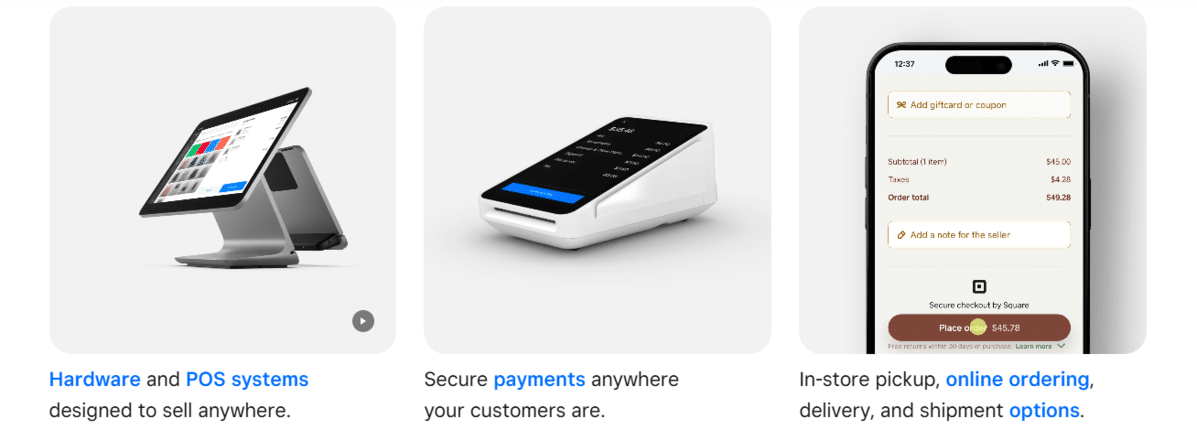
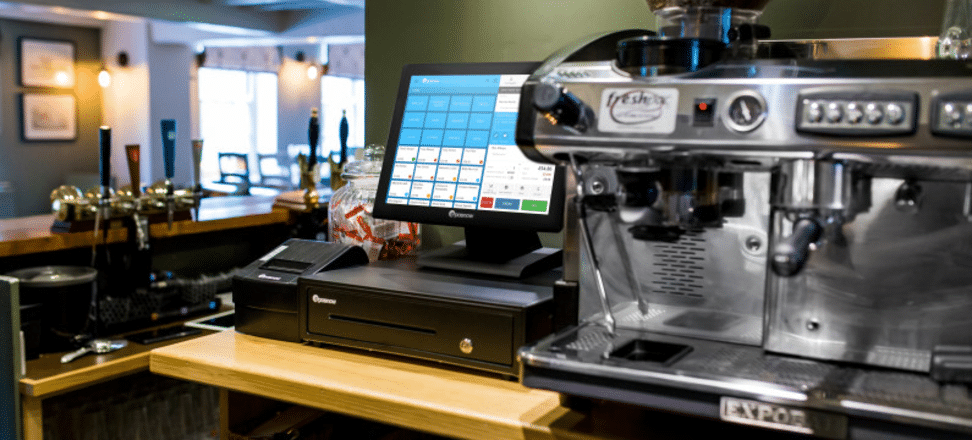
The choice of a Point of Sale (POS) system can significantly impact the operational efficiency, customer experience, and ultimately, the success of a business. POS systems, serving as the hub of sales, inventory management, and customer management, have evolved from mere cash registers to sophisticated platforms that offer many features to support businesses in their daily operations. You need to get the right software as on-premise or cloud based pos systems for retail are not designed for restaurants – you need to get something tailored.
At the heart of this evolution is a critical decision that businesses, regardless of size and industry, find themselves grappling with: should they opt for a cloud-based POS system that boasts flexibility and real-time access, or a traditional on-premise solution known for its reliability and control? The answer is not straightforward, as each option comes with its unique set of advantages and challenges.
It is essential to keep in mind that the right choice varies from one business to another, depending on various factors such as the nature of the business, budget constraints, and specific operational requirements.
With this guide we want you to be able to choose the best EPOS system for restaurants for your business.
Overview of Cloud-based POS systems
Cloud-based POS systems represent a modern approach to managing sales and operations, harnessing the power of the internet to offer businesses a flexible and scalable solution. Unlike traditional systems, a cloud POS operates on a software-as-a-service (SaaS) model, where the software is hosted on remote servers and accessed via the web or an app. This model offers several distinct advantages and some drawbacks that businesses need to consider.
Key features and benefits:
Accessibility: one of the hallmark features of cloud-based POS systems is their accessibility. Business owners and managers can access sales data, inventory levels, and customer information in real-time from anywhere in the world, provided they have an internet connection. This level of accessibility supports informed decision-making and allows for greater flexibility in managing operations remotely.
Scalability: as businesses grow, their needs change. Cloud POS systems are inherently scalable, allowing businesses to add more registers, locations, or features with minimal hassle. This adaptability ensures that the POS system can grow alongside the business, without the need for significant overhauls or investments.
Cost-effectiveness: initially, cloud-based systems may appear more budget-friendly, especially for small to medium-sized businesses, due to their subscription-based pricing models. There’s no need for substantial upfront investments in hardware or software licenses. Instead, businesses pay a monthly or annual fee that often includes updates, maintenance, and technical support, reducing the total cost of ownership.
Potential drawbacks:
Dependency on internet connection: The primary limitation of cloud-based POS systems is their reliance on a stable and fast internet connection. Should the internet go down, accessing the POS system or processing transactions can become challenging, potentially disrupting business operations.
Ongoing costs: while the initial costs are lower, the subscription fees can add up over time, making it more expensive in the long run. Businesses need to carefully consider their long-term costs when opting for a cloud-based system.
Data security concerns: storing sensitive business and customer data on remote servers brings about concerns regarding data security and privacy. Reputable cloud POS providers invest heavily in security measures, but businesses should conduct thorough research to ensure their data will be protected against breaches.
Overview of On-premise POS systems
On-premise POS systems are the traditional choice for many businesses, offering a more conventional approach to sales and inventory management. Unlike their cloud-based counterparts, on-premise solutions are installed locally on a business’s servers and run on its network. This setup provides businesses with full control over their POS system and data, but it also comes with its set of challenges and considerations.
Key features and benefits:
Control and ownership: the most significant advantage of on-premise POS systems is the level of control and ownership they offer. Businesses have complete autonomy over their system, including customisation, data management, and security protocols. This control is particularly appealing for businesses with highly specific needs or those operating in industries with stringent data protection regulations.
Offline functionality: on-premise systems do not rely on an internet connection to operate. Transactions and operations can continue seamlessly, even during internet outages, making them reliable in environments where connectivity is inconsistent or unreliable.
One-time investment: although the initial cost of an on-premise POS system can be high—due to hardware purchases, software licenses, and setup fees—it’s a one-time investment. Over time, this can be more cost-effective than recurring subscription fees associated with cloud-based solutions, especially for larger businesses with the capital to invest upfront.
Limitations:
High upfront costs: the initial investment for on-premise POS systems is significant, making it a less viable option for small businesses or startups with limited budgets. The cost includes not only the software and hardware but also maintenance and potential upgrades.
Maintenance and updates: businesses are responsible for maintaining their on-premise systems, including hardware repairs and software updates. This responsibility requires in-house IT expertise or external support contracts, adding to the operational costs.
Scalability issues: scaling an on-premise POS system can be more complex and costly than a cloud-based solution. Expanding the system to accommodate business growth often requires additional hardware purchases and software licensing fees, as well as potential downtime during the upgrade process.
Comparative analysis
When choosing between a cloud based POS system and on-premise POS systems, businesses must weigh various factors to determine which solution aligns best with their operational requirements, budget, and long-term goals. This comparative analysis delves into the performance, security, and cost implications of each system, offering insights to help make an informed decision.
Cloud based POS systems are ideal for businesses that operate in multiple locations or require remote access to their sales and inventory data. The flexibility and real-time data synchronization make it easier to manage operations on the go. However, performance for cloud based pos systems heavily depends on internet connectivity, which can be a limiting factor in areas with unreliable internet service.
On-premise POS systems excel in environments where stability and speed are paramount, and internet connectivity might be sporadic. Since the system operates independently of an internet connection, businesses can ensure consistent performance even in offline modes. This makes it suitable for high-volume transactions in settings like large bars, clubs and restaurants.
Security Aspects: data security in cloud-based systems involves trusting a third-party provider to safeguard sensitive information. While reputable cloud-based POS systems for restaurants providers implement robust security measures, the nature of cloud storage inherently poses risks, especially in scenarios of widespread cyber threats. Businesses must assess the provider’s security credentials and compliance with industry standards.
On-premise systems offer businesses the opportunity to tailor their security measures to specific needs, potentially providing a higher security level. Since the data is stored locally, businesses have more control over access and protection. However, this also means that the responsibility for security updates and breach prevention falls squarely on the business, requiring a dedicated IT security team.
Cost implications: cloud-based pos systems for restaurants typically have lower initial costs due to their subscription model, which includes updates and support, making them attractive for small to medium businesses. On-premise systems, with their high upfront investment for hardware and software, might seem less appealing initially but can offer cost benefits in the long run.
The ongoing subscription costs of cloud-based POS systems can accumulate, potentially making them more expensive over an extended period. Conversely, on-premise systems, despite their higher initial cost, may become more economical, as businesses only incur significant costs during upgrades or expansions.
How EPOS Systems Improve Customer Experience
A modern point of sale system goes beyond processing transactions; it enhances the customer experience. For instance, restaurants using EPOS solutions can speed up table service with mobile ordering and payment options.
Additionally, you’ll benefit from quicker checkout processes and personalised promotions based on purchase history. These features not only improve customer satisfaction but also drive repeat business, making POS systems a valuable investment.
Sustainability: Cloud POS vs Traditional POS
Hospitality businesses are increasingly prioritising sustainability, and a cloud POS system often aligns with these goals. Cloud-based systems eliminate the need for bulky hardware and reduce energy consumption associated with on-premise servers.
The ability to access data remotely minimises the need for printed reports and paperwork. For eco-conscious businesses, this is an additional advantage of choosing a cloud POS solution.
Integrating EPOS with Other Business Tools
To maximise the benefits of your EPOS system, integration with other tools such as accounting software, payroll systems, and marketing platforms is essential. These integrations save time and reduce errors by automating tasks such as syncing sales data with your financial records.
For restaurants, integrating an EPOS system with online ordering platforms ensures seamless order management, enhancing operational efficiency.
Conclusion
Deciding between a cloud based POS system and on-premise POS systems requires a careful assessment of your business’s operational requirements, budget, and growth aspirations.
While cloud-based systems offer flexibility and ease of scaling, on-premise systems provide control and reliability, especially in environments where internet connectivity is a concern. It’s crucial to weigh the pros and cons of each system against your business needs and consider the long-term implications.
We encourage restaurateurs to thoroughly research the market. We can help. Our experts at NFS offer unbiased consultancy providing a tailored best of breed solution based on your needs and future growth plans. We integrate with industry-leading partners to provide functionality that will streamline your efficiency and drive profits today and for many years to come.
As we approach April 1st, 2024, operators across various sectors are gearing up for the implementation of the National Living Wage (NLW) and other wage rate increases. This move, following the acceptance of the Low Pay Commission’s (LPC) recommendations, aims to fulfil a Conservative manifesto pledge to abolish low pay, defined as below 66% of median earnings. While this is a significant step towards ensuring fair compensation for workers, it also poses challenges for businesses, particularly those in sectors where labour costs constitute a substantial proportion of turnover.
Throughout the year, industry representatives have been actively engaging with the LPC and government officials, highlighting the potential adverse effects of such significant wage increases on businesses within the sector. It’s essential to recognise that these increases do not merely impact entry-level staff but have broader ramifications throughout the management structure.
Let’s delve into the new rates set to come into effect:
National Living Wage (21-years-old and over)
Rate from 1 April 2024: £11.44
Increase in pence: £1.02
Percentage increase: 9.8%
18- to 20-year-old rate
Rate from 1 April 2024: £8.60
Increase in pence: £1.11
Percentage increase: 14.8%
16- to 17-year-old rate
Rate from 1 April 2024: £6.40
Increase in pence: £1.12
Percentage increase: 21.2%
Apprentice rate
Rate from 1 April 2024: £6.40
Increase in pence: £1.12
Percentage increase: 21.2%
Accommodation offset
Rate from April 1, 2024: £9.99
Increase in pence: £0.89
Percentage increase: 9.8%
The LPC’s aim was to ensure that the NLW reached 66% of median earnings, a target they believe has been achieved. However, the forecasted level to reach this, as of March 2022, was £11.16 per hour. The significant rise in average earnings has pushed this target level higher. Additionally, other wage bands have also increased to prevent too great a discrepancy between them.
Strategies for Operators to Navigate the Wage Increase:
Better Align Staffing Needs to Optimise Labour Costs: It may sound obvious, but it’s often overlooked, cutting staff isn’t the solution. The key is to manage the value equation in the eyes of customers and avoid raising prices while cutting service levels. Operators should align staffing needs with consideration given to peak versus off-peak staffing rotas.
Take a Demand-Based Approach to Pricing: Reviewing item-level data across the estate will reveal which restaurants could be organised into different price bands based on customer reactions to previous price moves. Understanding customer willingness to spend ensures they see value for money without crossing price barriers.
Leverage Technology: In today’s hospitality landscape, technology plays a pivotal role. From kitchen automation to online ordering, technology can enhance the customer experience while allowing staff to focus on delivering exceptional service.
Have a Long-Term Game Plan: Unlike food inflation, labour costs can be planned for. Operators need a long-term plan to address these costs, making price changes in smaller increments spread over time. This approach allows for testing and assessment before full implementation.
Streamline Your Menu: Reduce labour costs and improve execution by streamlining the menu. Evaluate menu items for operational impact and consider whether profitable items may be slowing down service. Identify bottlenecks and adjust menu offerings accordingly.
While the upcoming wage increases present challenges for operators, proactive planning and strategic decision-making can help navigate these changes effectively. By prioritising employee well-being, investing in development, and leveraging technology, businesses can adapt to the new landscape and continue to thrive in the ever-evolving market. Let’s embrace these changes as opportunities for growth and progress.
We spent the morning on Tuesday this week, networking with the hospitality tech community and the operators they serve.
The restaurant industry is witnessing a significant transformation, propelled by the integration of automation into its operations. This change is not just about adopting new technologies but also redefining the customer journey to enhance their experience and streamline business processes. As we delve into various industry verticals, from upscale dining at JKS Restaurants to the bustling environment of Ballie Ballerson and the unique demands of food halls like Sessions and Market Halls, the impact of automation becomes increasingly apparent.
A recent survey by Tech on Toast highlighted a critical issue: 78% of customers stated their experience could be negatively impacted by delays in being seated, ordering, and paying. These are pivotal moments in the customer journey where efficiency can either make or break the dining experience. Further research by McKinsey supports this, showing that reducing wait times can not only improve customer satisfaction but potentially increase restaurant revenue by nearly 15%.
Addressing Efficiency and Productivity
In response to these challenges, industry leaders are turning to automation to streamline operations. For example, innovative solutions like restaurant ePOS software are being implemented to reduce wait times during crucial customer journey stages. These technologies are not just about speeding up transactions but also enhancing the overall service quality, leading to a more satisfying dining experience.
The Perceived Wait Time Dilemma
Insights reveal that once a wait surpasses three minutes, customers’ perception of time begins to distort, feeling much longer than it actually is. This perception can deter customers from returning, highlighting the importance of adopting technologies that minimise wait times and simplify transactions.
Operational Benefits and Customer Satisfaction
The adoption of automation technologies has shown substantial benefits in operational efficiency and customer satisfaction. For operators, this means not only smoother day-to-day operations but also an opportunity to significantly enhance the dining experience, turning first-time visitors into regular patrons.
The Shift Towards Off-Premise Dining
With off-premise dining expected to account for over 50% of restaurant sales by 2025, the need for efficient, automated systems becomes even more critical. This shift demands solutions that can handle the increased volume and complexity of orders without compromising service quality.
Looking to the Future
The ongoing advancements in hospitality technology promise to reshape the industry landscape further. As automation becomes more integrated into operations, we can anticipate improvements in customer experiences and significant business growth. This evolution towards a more digital, efficient operation model offers a win-win for both operators and customers alike.
In conclusion, the journey towards operational efficiency through automation is not just a trend but a strategic move to adapt to the evolving expectations of customers and the dynamic needs of the restaurant industry. By embracing these changes, restaurants can look forward to not only saving time and money but also securing a competitive edge in the market.
Investing in a new EPOS software solution is a significant undertaking both in terms of time and money. It is easy to make mistakes when choosing a restaurant EPOS software.
When considering the implementation of a restaurant EPOS software system to streamline your restaurant’s operations, selecting the right one is obviously crucial. The POS system you opt for will serve as the engine of your operation ensuring efficiency and streamlining operations.
Given its significance, it’s imperative to avoid errors during the purchase process, as a poor choice could result in being saddled with an ineffective system that offers no benefit and will leave you out of pocket. Below are the five most common mistakes made by purchasers of POS systems.
1. Buying the cheapest EPOS
The saying is “buy cheap, buy twice”. You certainly don’t want to be buying a restaurant EPOS twice – it needs to be a carefully thought-out and balanced decision. Unlike the worst restaurant pos systems, a great EPOS for restaurant will generate a return on investment from day one.
You may find a cheap restaurant EPOS system that does the basics, but you need to carefully weigh up whether it will give you the functionality you need – not just today but in the future.
Also, look into the hidden costs – the basic EPOS for restaurant software may be “cheap’ but if you need to pay extra to unlock features then it is a false economy and it can quickly start to add up and even surpass the more expensive solution.
With a fully-fledged EPOS software for restaurant, you will get more than just order processing and you will get additional features such as stock control, multi-site reporting, guest management and handheld ordering.
2. Choosing the wrong supplier
A trustworthy supplier ensures a dependable EPOS system for restaurant. Therefore, investigate potential EPOS system for restaurant suppliers before deciding.
Key questions to pose to your prospective EPOS supplier might encompass:
What is the duration of the company’s operation in the industry?
What is the scale of the company? How many staff members are dedicated to support the EPOS systems for restaurants?
What does the after-care service consist of? Is it phone based? Is there an actual human you can speak to?
What can they provide in terms of client references? Are they successful businesses and can you speak to them for an unbiased view?
Do they offer any value addition? Can they offer unbiased consultancy, and do they offer the full solution such as hardware and integrated software?
What do their support contracts cover? Are there any hidden charges?
Do they offer any training sessions or guidance materials for the product?
3. Overlooking future needs
An EPOS system becomes a repository for a vast array of your business information, making it crucial to choose a solution that won’t require replacement in just a few short years.
Therefore, it’s advisable to seek a solution that not only resolves your current challenges but also aligns with your future needs. Begin with a forward-looking strategy, outlining your objectives for the next five years (or more!), prioritizing your requirements, and ensuring that your plan is in harmony with your financial resources.
A cloud-based solution offers scalability as and when you need it – simply increase user licenses as your business grows and you open more sites. With a monthly licensing model, you can keep track of your investment while also ensuring that your software is fully up to date with all the latest features. New functionality is updated automatically – you never get left behind. With minimal implementation required and working on iPad/Android tablets the initial investment of time and money is very affordable.
4. Expecting a one-size-fits-all system
Every sector comes with its distinct demands, and each enterprise has its specific needs as well.
Discovering an EPOS that fulfills all your criteria right off the bat can be challenging. Therefore, aiming for a system that meets roughly 95% of your needs, with the option for customisation to cover the remaining aspects, is a practical approach.
Look for a solution which integrates online ordering, mobile payment apps, kitchen automation and loyalty programmes to manage all the key aspects of your operation.
5. Insufficient Training and Support
You may be tempted to cut costs on training and support. Resist this temptation at all costs.
It is a vital investment in your business to ensure that your staff get the most and best training they can. Learning from product experts means they will get exposure to the best practices that will ensure you get the best from your investment and will increase your staff’s efficiency in using the system.
Great after-care is vitally important. Look for a solution that covers all your opening shifts – having to pay per call outside covered hours can prove much more costly than investing in an annual support contract!
What NFS Technology offers
As a leading supplier NFS Technology offers:
Award-winning training and support – available 24/7, 365 days a year. Your support calls will be answered by a real human – not a chat bot. With their extensive IT expertise and hospitality experience you can rely on them to answer any questions promptly and knowledgeably.
Our helpdesk team is comprised of industry experts. Our training plans are designed so that you and your teams get the maximum return on your investment.
You will also be assigned a dedicated account manager to support you and guide you post-installation. We are supplier agnostic so we will only give advice and recommend solutions that align with your long-term business goals.
A long-term partnership – we have been supplying solutions for nearly thirty years and we work with many leading bar and restaurant operators from award-winning independents to large international chains. Our client references speak for themselves.
Check out this success story to discover how our solution is driving growth at the leading bar operator BrewDog.
Best of breed solutions – we provide best of breed solutions managing all aspects of our clients’ operation encompassing order processing, kitchen automation, enterprise management reporting, guest management, handheld ordering, stock control and labour management. And much more!
For group operators we offer enterprise solutions custom built to enable them to manage their whole estate from one powerful dashboard enabling them to make impactful decisions even on the fly.
Integration with leading partner solutions – we work with a carefully selected partner network. One size does not fit all so integration is a great way of delivering the solution that will truly meet your needs.
NFS solutions are designed to integrate seamlessly with loyalty programmes, kitchen display systems, mobile ordering apps, digital signage and online ordering to digitally transform your operation and provide an ecosystem that is future proof.
Conclusion
Choosing the right solution for your restaurant needs to be a considered choice – one that cannot be made on cost alone.
As we have shown, there are several factors to consider – from scalability to support to integration capabilities. You need to evaluate whether your supplier is going to be a long-term partner who can offer the best solutions that will help your business grow – today and into the future.
Contact us today to see how we can digitally transform your business.
Customer satisfaction has always reigned supreme in the hospitality business – probably more than in any other consumer-facing industry.
So restaurants constantly seek innovative ways to keep their clientele happy and engaged. These days, technology plays a huge role in achieving this.
Among the tools available, Customer Engagement Platforms (CEPs) and Customer Relationship Management (CRM) systems stand out as powerful instruments for nurturing customer relationships and driving business growth.
So what’s the difference between the two – and which one is for you?
Understanding the distinctions between these differing client engagement software platforms can help you make informed decisions about which solution best suits your needs.
So, let’s dig into the comparison between Customer Engagement Platforms and Customer Relationship Management systems – and explore how each customer engagement tool can elevate your business.
Customer Engagement Platform (CEP)
Comprehensive insight: CEPs offer a comprehensive view of your customer interactions across various touchpoints, including social media, email, website visits and more. This fully rounded perspective gives you a deep understanding of your customers’ behaviour patterns and preferences in depth.
Customised engagement: Through advanced analytics and AI-driven insights, CEPs help you create personalised engagement strategies. With the help of data-driven intelligence, you can tailor your interactions with customers – such are marketing emails and offers – delivering relevant content and offers at the right time and through the preferred channels.
Omnichannel ability: One feature of these customer engagement tools is their ability to integrate seamlessly with multiple communication channels. Whether it’s email, messaging, live chat, or social media, these customer engagement platforms put you right in touch with your customers across diverse platforms, making sure your messaging is consistent and cohesive.
Making predictions: CEPs use predictive analytics to forecast customer behaviours and identify the potential opportunities and risks for your business. By analysing historical data and trends with these customer engagement platforms, you can anticipate your customers’ needs and proactively address issues.
Automated workflows: CEPs streamline your business processes by using workflow automation, eliminating the need for manual tasks while improving the efficiency of your operations. By automating routine processes such as nurturing leads, follow-ups and customer support ticketing, your business can make the most of its resources and focus on the activities that add value.
Customer Relationship Management (CRM)
A centralised database of customers: A CRM is a customer interaction platform that centralises your customer information – everything from contact details to purchase history and communication preferences. By consolidating data from various sources in a single place, CRM systems provide a unified view of customer interactions, so your different departments can collaborate and co-ordinate their efforts.
Sales pipeline management: By tracking leads, opportunities, and deals throughout the sales cycle., your CRM provides a real-time view real-time of sales performance and forecasting.
Enhancing customer service: The CRM streamlines support processes and supports resolutions. By tracking customer inquiries, complaints and feedback, they ensure you can deal with issues promptly, enhancing customer satisfaction and encouraging loyalty.
Managing marketing: With a CRM, you can create targeted marketing campaigns by segmenting customers based on their demographics, behaviour and preferences. Then you can use automation tools to create personalised campaigns that resonate with specific audience segments.
Integration ability: CRMs integrate seamlessly with other business applications, such as marketing automation platforms, ERP systems and epos platforms. This means your company has consistent data., even across a broad group.
Every business is different, but this is exceptionally so when it comes to hospitality, and there are 5 things you should consider when making your decision about your customer experience management platform:
Your business goals: Is your main focus customer engagement and loyalty, or are you more interested in firming up sales processes and driving revenue growth?
Customer insight: How deep do you need to go when capturing and understanding customer insights? Do you need advanced analytics capabilities to draw actionable insights from customer data, or is a centralized database for managing customer interactions enough?
Scalability and flexibility: How scalable and flexible is the platform you are looking at? Will it grow to fit in with your future plans, and is it flexible enough to integrate with other systems you need?
Your users: Who’s going to be using the system in your restaurant, and how user-friendly is it? Will deployment and training be easy?
ROI: Assess the cost carefully and determine what level of return on investment you expect to achieve – don’t forget to factor in implementation costs, maintenance and potential revenue gains or cost savings.
The expert touch
There’s no doubt that both Customer Engagement Platforms and Customer Relationship Management systems are huge assets to any hospitality business, fostering insightful relationships with customers and enabling your business to provide the kind of exceptional customer experience you need to succeed.
Both are an essential part of the digital toolkit now available to restaurateurs to sharpen up their business. They integrate in particular with epos systems that enable operational efficiencies such as tableside ordering and payment, speeding up service, and also online reservations and ordering.
The modern-day diner is highly demanding, and competition remains intense. Providing diners with the convenience, choice and seamless service they now require is essential if your business is to stand out from the rest and foster the loyalty that brings repeat business.
Ultimately, though, the key to success lies in selecting the right solution that best aligns with your business needs and empowers you to cultivate lasting relationships with your customers.
Expert help is, of course, on hand from companies such as NFS Restaurant Technology, and you should seek those who offer a consultative approach that understands your business and guides you through the maze of good decision making.
Platforms that provide you with deep customer insight are an invaluable part of this. By understanding the unique strengths and capabilities of CRMs and CEMs, and aligning them with your business objectives, they will help you elevate your hospitality business and deliver exceptional customer experiences.
Restaurant operations are notoriously difficult to organise, because of their immense complexity – not only are there everyday issues of the business to sort out, but there are also the ever-evolving behaviours of customers to satisfy.
It’s not surprising, then, that the integration of restaurant management technology has become the secret of success for many operations.
Restaurant systems are sophisticated solutions designed to streamline operations, enhance customer experiences and elevate profitability. From optimising order processing to facilitating inventory management, it’s fair to say that these systems are revolutionising the way modern restaurants operate.
A restaurant management platform integrates various functionalities, including point of sale, inventory management, and customer relationship management, eliminating the need for multiple disparate systems.
As your restaurants grow and evolve, management systems offer scalability, allowing for seamless expansion and integration of additional features and modules.
In helping you grow your business in what is always an incredibly crowded market, restaurant management software helps give you a competitive edge, whether you run a single independent outlet or a whole group.
7 top benefits of restaurant management systems:
Better relationships with your customers
An end-to-end view of your business
Analysis and forecasting
Employee satisfaction and retention
Better labour and stock control
Enhanced financial management
Targeted marketing for wider reach.
Better relationships with your customers
Restaurant’s relationships with customers have always been intense and important, but since the days of the pandemic they have evolved to cater for new and changed demands.
Customers now have a strong emphasis on convenience and speed as well as on the quality of food and service you provide. Restaurant systems that include EPOS are an immense help in this area, making it quicker for customers to place their order and also to pay.
For instance, serving staff provided with Epos on a tablet or phone can send orders direct from the table to the kitchen so food preparation can begin immediately, and service is faster. There’s no room for human error, either, so fewer dishes get sent back and there’s less waste.
Once the meal is over, your staff can take payment at tableside so the customer can pay and go. It adds up to a satisfying customer experience that encourages loyalty and repeat visits.
Restaurant management systems also make it easy for customers to order online or to make a table reservation, a valuable and convenient service that also cuts down the time your staff have to spend on the phone.
An end-to-end view of your business
The complexity of restaurant operations can mean it’s tricky to keep an overview. A restaurant management system is available online and provides up to date reports on all aspects of your business from automated inventory showing stock levels to sales.
For groups, this online availability of reports is invaluable when keeping track of the position of the business at any given time.
Analysis and forecasting
Data has become the lifeblood of most organisations these days. Coupled with effective analysis, it gives insight into everything from customer preferences to your busiest times and best-selling dishes. It can even provide forecasts to help you anticipate when extra labour etc is likely to be required.
Employee satisfaction and retention
A real hot potato in the industry, which has seen such labour shortages in recent years that some outlets have decided to curtail their hours or even shut on certain days of the week.
Restaurant management systems can help you provide a healthy and enjoyable working environment that encourages valuable staff to stay and reduces the time you need to spend recruiting and training.
A restaurant order management system reduces the amount of time serving staff need to spend running back and forth to the kitchen with orders, and also minimises admin when it comes to taking reservations – when customers can do it themselves online, staff involvement is minimised.
It all allows more time for your people to engage with customers, building loyalty and creating the friendly impression they will appreciate – and it makes the working day more rewarding for your staff and encourages them to stay.
Managers can also track employee performance metrics, identify training needs, and recognise top performers, fostering a culture of accountability and excellence.
Better labour and stock control
The cost of living crisis has exacerbated problems for the industry as restaurants struggle to cope with increases in the cost of supplies and balance that with keeping customers happy.
A restaurant order management system will give you far better control of your stock, providing real-time information on inventory and also on your supply chain.
The same systems make it easier to control labour, highlighting busy and quiet times and enabling you to have the right staffing levels at the right times.
A further enhancement that keeps things running smoothly is integration with restaurant maintenance software, which helps identify potential equipment issues, enabling proactive maintenance and minimising downtime.
Enhanced financial management
Using the reports generated by your restaurant software on sales, expenses and profits, empowers you and your managers to make data-driven decisions and take measures that optimise financial performance.
By tracking costs and identifying areas of inefficiency, restaurant management platforms enable proactive cost control measures, ultimately boosting your profitability.
Targeted marketing for wider reach
Special offers can make a huge difference to your hospitality business, keeping existing customers happy and enticing those who have never tried your restaurant to give it a to.
When it comes to loyal customers, your restaurant management platform and CRM can give incredible insight into their preferences. By capturing data every time they book or eat, you identify their preferences so you can produce timely and appropriate marketing emails that you know will hit the mark.
For instance, if you know they visited last Valentine’s Day, you can offer them two free glasses of champagne this year; or you can send them a birthday greeting that will put your restaurant top of their mind when they want to celebrate.
Restaurant management software also helps you with your social media presence, alerting you to any adverse reviews so you can put the situation right immediately and put a shine on your reputation.
Conclusion
Deploying carefully-selected restaurant software represents a strategic investment in operational efficiency, customer satisfaction, staff retention and financial performance – and it’s an investment that provides definite ROI.
By leveraging the power of technology, you can optimise your processes, empower their staff, and deliver unparalleled dining experiences. From order management to inventory control, these systems serve as the cornerstone of modern restaurant operations, paving the way for sustained success.
Whether your business is a bustling bistro or a multi-location group, the benefits of a restaurant management system are undeniable. And in a world where customers are increasingly demanding, staff are hard to find and competition is raging, it can give you the edge you need to succeed.
Discover more about how a restaurant management system will benefit you:
The famous Balans Soho Society group of restaurants and bars was about to open its seventh restaurant, in Ealing, London.
With a particularly demanding clientele – its slogan is: “A haven for the convivial” and the group numbers many celebrity guests – Balans decided to continue its relationship with NFS and deploy the Aloha restaurant management system that has already proved its worth at their other branches.
The deployment has paid off – and the group is particularly impressed with the loyalty programme it has been able to set up, with loyalty customers spending more than 40% more than non-loyalty guests.
At a glanceWho? Balans Soho Society’s new Ealing restaurant Where? London What? Aloha Table service EPOS software from NFS Why? Operational efficiency and great customer service, loyalty When? 2019 at the new Ealing branch
Balans Soho Society
Balans has always been ahead of trends. First started by business partners David Taylor and Prady Balan in the 1970s as a sandwich outlet, the group has become famous for hosting celebrity hangouts and delicious late-night dining.
Balans (now run by David Taylor) now has no fewer than seven restaurants across London and beyond, from Soho to Stratford City. Attracting the most up-to-date and savvy clientele, its menu is big on breath-taking brunches, quintessentially Balans mains and fabulous cocktails.
The challenge
Opening a new restaurant in Ealing – in the extraordinarily competitive London market – this famed group bills itself as a “haven for the convivial”.
So it knew it was crucial to deliver the same impeccable standards of operational efficiency and delicious customer service that have made its other six restaurants and bars such a celebrated three-decade success.
The results
The Ealing restaurant got off to a great start and is proving a real hit with customers with the help of its Aloha EPOS software.
“The system does exactly what we need – we find working with NFS very smooth thanks to having a key account person allocated.” – Kieran Crosby, Operations Director, Balans Soho Society
The benefits for Balans
As well as keeping operations streamlined and customer service moving effortlessly, Balans has had great success using its Aloha EPOS software to create targeted loyalty schemes and offer gift cards to enhance the customer experience.
The company believes the restaurant management software has created a big uplift – loyalty customers on average spend up to 42% more than non-loyalty customers.
“We’ve created an online loyalty programme where our customers are in control of how they use it, and that’s really helping to drive repeat visits,” says Kieran.
Balan’s staff also use Aloha Mobile to take customer orders and payments at tableside, using iPads. It means orders go directly to the kitchen for swift delivery, without any chance of human error.
Aloha EPOS software can integrate with kitchen automation to streamline food production, and the intuitive interface means it’s simple to get staff up and running on the system.
“Our FOH staff find Aloha very easy to use – the system is common in the restaurant industry and many have used it before, so they have familiarity with it.” – Kieran Crosby
Aloha has moved well beyond simple EPOS, and now creates a better-connected workflow within the restaurant and throughout the customer journey from online reservations through seating, dining, paying and loyalty – it even monitors social media reputation.
Like other users of Aloha, Balans also benefits from the business insight provided by the system. For restaurant groups, it gives an unprecedented end-to-end view of operations, with comprehensive reports including sales, labour and stock control, and accurate forecasting.
Why NFS?
NFS has a long-standing relationship with this prestigious restaurant chain, which made Aloha a natural choice when Balans was getting ready to open the new Ealing branch.
“We chose NFS because Aloha is working well in the rest of our estate,” says Kieran.
“Aloha does exactly what it needs to do – and we find it very reliable. We’d recommend it.”
What’s next?
Balans anticipates that using Aloha Mobile will increase efficiency, table turn and revenue during the coming summer months.
Watch this video to discover how this unique operator uses Aloha restaurant management technology to deliver great service, measure their chain’s performance and drive further expansion