In the restaurant industry, customer loyalty programs have quickly become a vital component to any successful business strategy.
With the rise of digital platforms and the increasing expectations of diners, restaurants turn to customer loyalty software to build and maintain strong relationships with their patrons.
But with so many options on the market, how do you choose the right solution for your business?
Comparing Planforms
When comparing the various loyalty platforms available, be sure to focus on:
Key features
Pricing models
Scalability and flexibility
Customer experience
Implementation and onboarding
Key Features to Look For
Customisation
The software should allow you to tailor the loyalty program to reflect your restaurant’s brand identity and resonate with your target audience.
This includes the ability to design the program’s visual elements, set unique reward structures, and create personalised offers that cater to different customer segments. A customisable program ensures that your loyalty initiative feels like an integral part of your brand rather than a generic add-on.
Ease of Use
A loyalty program is only as good as its usability.
The software should offer an intuitive and easy-to-navigate interface for both customers and your staff. For customers, the process of signing up, earning points, and redeeming rewards should be seamless and straightforward.
For staff, the software should be easy to integrate into daily operations without requiring extensive training or disrupting workflow.
Integration Capabilities
To maximise efficiency, your loyalty software should integrate smoothly with your existing POS system, customer relationship management (CRM) software, and other tools you use in your restaurant.
This integration allows for real-time tracking of customer purchases, seamless updating of rewards points, and easy access to customer data, all of which contribute to a more streamlined and effective loyalty program.
Mobile App Support
In today’s mobile-centric world, having a loyalty program that supports a mobile app is essential.
A dedicated mobile app allows customers to easily track their points, receive notifications about special offers, and redeem rewards directly from their smartphones. This convenience can significantly increase customer engagement with your loyalty program.
Data Analytics and Reporting
Robust data analytics and reporting features are crucial for understanding how your loyalty program is performing. The software should provide detailed insights into customer behaviour, such as spending patterns, frequency of visits, and preferences.
Additionally, it should offer reports on the effectiveness of your loyalty initiatives, helping you to identify areas for improvement and optimise your program accordingly.
Marketing and Communication Tools
Effective communication is key to keeping customers engaged with your loyalty program.
Look for software that includes marketing tools like automated messaging, which can send out reminders, special offers, or birthday greetings to your customers.
Email campaign capabilities allow you to reach out to your customer base with tailored promotions, while social media integration lets you to easily share loyalty program updates and engage with customers on platforms where they spend most of their time.
Customer Support
Reliable customer support is essential for ensuring your loyalty program runs smoothly.
The software provider should offer robust support options, including live chat, phone support, and a comprehensive knowledge base to help you troubleshoot any issues that arise.
Having access to prompt and effective technical support ensures that any disruptions to your loyalty program are minimised, keeping your operations running smoothly.
Comparing Pricing Models
Understanding pricing models is crucial to ensuring that your solution fits within your budget and provides the best value for your investment.
Pricing models can vary significantly between different software providers, so it’s important to look closely at the details to avoid unexpected costs.
Subscription Fees
Most customer loyalty software platforms operate on a subscription-based pricing model, where you pay a monthly or annual fee for access to the service.
These fees can range from affordable rates for basic packages to higher costs for more comprehensive plans that include advanced features.
When comparing subscription fees, it’s important to understand what each plan includes.
Some key aspects to consider are the number of users or customer profiles supported, access to premium features like advanced analytics or custom branding, and whether updates and new features are included in the cost.
Also, consider whether the software offers a free trial or a scaled-down version that you can test before committing to a full subscription.
Transaction Fees
In addition to subscription fees, some loyalty software providers charge transaction fees.
These fees might be applied on a per-transaction basis, meaning you pay a small fee every time a customer earns points or redeems a reward.
Alternatively, there could be a per-user fee, where you are charged based on the number of active users or customers enrolled in the loyalty program. Transaction fees can add up quickly, especially for high-volume restaurants, so it’s important to factor these costs into your overall budget.
Make sure to ask the provider about any transaction fees upfront and calculate how they might impact your costs over time.
Hidden Costs
Some loyalty software providers may charge additional fees for services like customer support beyond basic troubleshooting, customisation of the software to fit your specific needs, or integration with third-party tools and systems.
For instance, if you require a custom-designed loyalty program that reflects your brand’s unique identity, there may be extra charges for development and design work.
Similarly, if you need the software to integrate with your existing POS system, CRM, or other tools, there might be integration fees or charges for API access. It’s crucial to clarify all potential costs with the provider before making a decision to avoid any surprises down the line.
Scalability and Flexibility
As your restaurant business grows and evolves, it’s essential to choose customer loyalty software that can grow with you and adapt to your changing needs.
Can the Software Scale with Your Business?
As you open new locations, increase your customer base, or expand your service offerings, your loyalty program will need to accommodate these changes without disrupting your operations.
Look for software that supports multi-location management, allowing you to administer your loyalty program across various branches seamlessly.
Additionally, consider whether the software can handle a growing number of customer profiles and transactions without performance issues or the need for costly upgrades.
Scalable software should offer the ability to easily add new users, customers, and features as your business expands, ensuring that your loyalty program continues to function efficiently no matter how large your restaurant operation becomes.
Flexibility to Adjust or Upgrade the Program
The restaurant industry is constantly evolving, with customer preferences, dining trends, and technological advancements shifting over time.
Your loyalty program should be flexible enough to adapt to these changes. Look for software that allows you to easily modify your rewards structure, add new types of promotions, or incorporate new engagement channels as needed.
For example, if you notice that customers are increasingly using mobile apps, the software should enable you to introduce mobile-based rewards or integrate with popular mobile payment systems.
The software should support seasonal promotions, limited-time offers, and other dynamic elements that keep your loyalty program fresh and engaging.
Flexibility also means the ability to upgrade your plan or features as your needs change, without having to switch to a completely new platform. This adaptability ensures that your loyalty program remains aligned with both your business goals and the expectations of your customers.
Customer Experience
A successful customer loyalty program isn’t just about rewards—it’s about creating a seamless, engaging experience that keeps customers coming back.
When evaluating loyalty software, it’s crucial to consider how it impacts the overall customer experience.
User Journey
The user journey is at the heart of any loyalty program.
It begins the moment a customer signs up and continues through earning rewards, receiving offers, and redeeming benefits. The process should be intuitive and straightforward, with minimal friction at every step.
A well-designed loyalty program will make it easy for customers to enroll, track their progress, and understand how they can earn and redeem rewards.
Look for software that offers a streamlined sign-up process, clear communication about how the program works, and a user-friendly interface that customers can navigate without confusion.
Consider the engagement features—such as gamification elements, interactive reward systems, or instant gratification rewards—that can enhance the overall experience and keep customers actively participating.
Personalisation
Personalisation is a powerful tool for boosting customer loyalty.
By using customer data to tailor rewards and promotions to individual preferences, you can create a more meaningful and relevant experience for each customer.
Effective loyalty software should be able to analyse customer data—such as purchase history, frequency of visits, and spending patterns—to generate personalised offers that resonate with each diner.
If a customer frequently orders a specific dish, the software could offer a discount on that item or suggest a related promotion. Personalised rewards not only make customers feel valued but also encourage them to engage more deeply with your brand.
Look for software that supports advanced segmentation and targeting capabilities, allowing you to create customised offers that appeal to different customer segments.
Customer Feedback
Gathering and acting on customer feedback is essential for continuously improving your loyalty program and overall customer experience.
The right loyalty software should include tools for collecting feedback, whether through surveys, ratings, or direct comments. This feedback can provide valuable insights into what customers like about your program, what needs improvement, and how they perceive your brand overall.
Moreover, the software should enable you to act on this feedback quickly, whether by making adjustments to the program, addressing individual concerns, or implementing new features based on customer suggestions.
Consider whether the software allows for automated feedback collection, integrates with your CRM to store and analyse feedback, and provides actionable reports that help you make data-driven decisions.
Implementation and Onboarding
Successfully implementing customer loyalty software in your restaurant requires careful planning and a structured approach.
The implementation and onboarding process is crucial to ensuring that the software is seamlessly integrated into your operations and that your team is fully equipped to use it effectively.
Setup Process
The setup process typically involves several key steps, including initial configuration, customisation, and integration with your existing systems.
During the configuration phase, you’ll need to set up your program’s structure—defining the rewards, tiers, and rules that will govern how customers earn and redeem points.
Customisation allows you to align the program with your brand, including designing the visual elements and setting up personalised features. Integration is crucial, as the software must work smoothly with your POS system, CRM, and any other tools you use.
A thorough setup process will ensure that all components are correctly aligned, reducing the likelihood of technical issues down the line. It’s important to work closely with the software provider during this phase to ensure that all your specific needs are met.
Training for Staff
A successful loyalty program depends on your team’s ability to engage customers, manage the software, and troubleshoot any issues that arise.
The software provider should offer comprehensive training resources, including user manuals, video tutorials, and live training sessions. It’s also beneficial if the provider offers ongoing support, such as a helpdesk or dedicated account manager, who can assist with any questions or challenges that arise after the initial training.
Investing in thorough training for your team will ensure that they are confident and competent in using the software, which in turn will enhance the customer experience and the overall success of the loyalty program.
Timeline
Understanding the expected timeline for implementation is crucial for planning purposes.
The timeline can vary depending on the complexity of the software, the extent of customisation required, and the level of integration with existing systems.
Typically, the process begins with a discovery phase, where your needs are assessed, followed by the setup and customisation phase, which can take several weeks.
Integration with other systems might add additional time, especially if it requires technical adjustments or third-party coordination.
On average, you can expect the full implementation process to take anywhere from a few weeks to a couple of months, depending on these factors. Having a clear timeline in place will help you coordinate with your team and ensure a smooth transition to the new loyalty program.
Measuring Success
After implementing your customer loyalty program, it’s essential to regularly measure its success to ensure it’s meeting your goals and delivering value to your restaurant.
By tracking specific key performance indicators and conducting a ROI analysis, you can evaluate the effectiveness of your loyalty software and make data-driven decisions for future improvements.
KPIs and Metrics
To accurately assess the performance of your loyalty program, you need to monitor customer engagement, retention, and overall business impact.
Customer Retention Rate: A higher retention rate indicates that your loyalty program is effective in encouraging repeat business.
Redemption Rate: This tracks the percentage of earned rewards that are actually redeemed by customers. A low redemption rate might suggest that rewards are not attractive or accessible enough.
Customer Lifetime Value (CLV): CLV calculates the total revenue a customer is expected to generate over their entire relationship with your restaurant. An increase in CLV can indicate that your loyalty program is successfully driving repeat purchases and higher spending.
Enrollment Rate: This metric measures how many customers are signing up for your loyalty program compared to the total number of patrons. A high enrollment rate indicates that your program is appealing and well-promoted.
Customer Satisfaction Scores: Using surveys or feedback tools, you can gauge how satisfied customers are with your loyalty program and overall experience.
Churn Rate: The rate at which customers stop using your loyalty program or stop visiting your restaurant altogether. Monitoring this can help you identify any issues early on.
ROI Analysis
To calculate ROI, you’ll need to compare the costs associated with implementing and maintaining the program against the revenue generated as a result of increased customer loyalty.
Calculate Program Costs: Include all relevant expenses such as software subscription fees, transaction fees, customisation costs, marketing expenses, and any additional resources required to manage the program.
Estimate Revenue Impact: Assess the revenue generated directly from the loyalty program, including increased sales from repeat customers, higher average spend, and any new customers brought in through referrals. You can also include the value of customer data insights that help improve marketing and operational decisions.
Break-Even Analysis: Determine how long it will take for the benefits of the loyalty program to offset its costs. This helps in understanding the timeframe needed to achieve a positive ROI.
Ongoing Monitoring: ROI should be continuously monitored, especially as your program evolves. Regular analysis will help you make adjustments to improve performance and ensure that your investment continues to deliver value.
Understanding Customer Loyalty Software
What is Customer Loyalty Software?
Customer loyalty software is a digital tool designed to help businesses build, manage, and enhance your customer loyalty programs.
These platforms help restaurants create structured systems that reward repeat customers for their continued patronage.
The purpose of customer loyalty software is to encourage repeat business, increase customer retention, and ultimately drive higher revenue by offering incentives that keep customers coming back.
Loyalty software typically integrates with a restaurant’s existing point of sale system, making it easy to track customer purchases, accumulate rewards points, and deliver personalised offers based on individual dining habits.
Beyond simple rewards, these systems often include analytics features that provide insights into customer behaviour, allowing restaurants to tailor their marketing efforts and create more targeted promotions.
Types of Customer Loyalty Programs
Customer loyalty programs come in various forms, each with its own unique structure and benefits.
Here are the most common types:
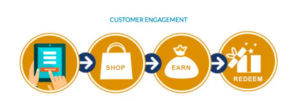
Point-Based Programs
Overview: In point-based loyalty programs, customers earn points for every purchase they make, which can later be redeemed for rewards. This type of program is simple and intuitive, making it popular among restaurants.
How It Works: A customer might earn one point for every pound spent, and once they accumulate a certain number of points, they can redeem them for a free item, discount, or other rewards.
Benefits: Point-based programs are easy to implement and understand, and they encourage frequent visits as customers work towards earning their rewards.
Tiered Programs
Overview: Tiered loyalty programs offer different levels of rewards based on the customer’s spending or frequency of visits. As customers spend more or visit more often, they move up to higher tiers with better rewards.
How It Works: A restaurant might have three tiers—Silver, Gold, and Platinum—with each tier offering increasingly valuable rewards, such as larger discounts, exclusive offers, or special event invitations.
Benefits: Tiered programs are effective at encouraging higher spending and creating a sense of exclusivity. Customers are motivated to reach the next tier to unlock better benefits.
Subscription-Based Programs
Overview: Subscription-based loyalty programs require customers to pay a recurring fee to join the program, in exchange for special perks and benefits.
How It Works: A restaurant might offer a subscription where customers pay a monthly fee to receive benefits such as free appetisers, priority reservations, or discounts on every visit.
Benefits: These programs generate a steady stream of revenue for the restaurant and create a committed customer base. They also appeal to regular customers who see value in the recurring benefits.
Hybrid Models
Overview: Hybrid loyalty programs combine elements from different types of programs to create a more customised experience for customers.
How It Works: A hybrid program might offer a combination of points and tiers, where customers earn points for every purchase but also move up tiers based on their total points or spending levels. Alternatively, a restaurant could combine a subscription model with points-based rewards.
Benefits: Hybrid programs offer flexibility and can be tailored to fit the specific needs and preferences of a restaurant’s customer base, making them highly adaptable and potentially more engaging.
Conclusion
Choosing the right customer loyalty software for your restaurant is a critical decision that can have a lasting impact on your business.
By understanding the different types of loyalty programs, prioritising key features, carefully considering pricing models, and ensuring scalability and flexibility, you can select a solution that aligns with your goals and enhances your customer experience.
Implementation and onboarding are crucial steps that require careful planning to ensure a smooth transition and successful launch.
Once your program is in place, regularly measuring its success through KPIs and ROI analysis will help you fine-tune your approach and maximise the benefits of customer loyalty.
In an industry where customer retention is key to sustained growth, a well-executed loyalty program can set your restaurant apart from the competition.
For assistance in finding the right loyalty platform for your business, get in touch withNFS.
As any restaurant owner could attest, the industry is highly competitive.
Attracting new customers is always a priority, but building loyalty among your existing clientele is the true secret to long-term success.
A well-designed customer loyalty program can turn first-time visitors into regular patrons, fostering a deeper connection between your brand and your customers.
But not all loyalty programs are created equal.
To stand out and make a lasting impact, you’ll need to innovate and tailor your strategies to meet the unique preferences of your diners.
With some planning, there are several effective strategies for boosting your restaurant’s customer loyalty programs and keeping guests coming back.
Digital vs. Traditional Loyalty Programs
As the restaurant industry evolves, so do the methods used to build customer loyalty.
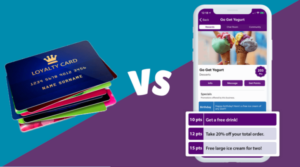
Traditional loyalty programs, such as punch cards and physical membership cards, have been a mainstay for years. However, the rise of digital technology has introduced a new wave of loyalty programs in the form of mobile apps and online platforms that reward customers.
Understanding the benefits and drawbacks of each approach can help you choose the most effective strategy for your restaurant.
Traditional Loyalty Programs: The Old-School Charm
Benefits:
Simplicity: Traditional loyalty programs are straightforward. Customers receive a physical punch card or membership card that they present at each visit to accumulate rewards. The simplicity of this approach is appealing, especially for diners who may not be tech-savvy or prefer tangible items.
Immediate Gratification: There’s something satisfying about receiving a stamp or punch on a card. It’s a visual and tactile reminder of progress in the rewards program, which can be particularly motivating for customers.
Low-Cost Setup: Implementing a traditional loyalty program often requires minimal upfront investment. Printing punch cards or issuing membership cards is relatively inexpensive compared to developing a custom mobile app.
Drawbacks:
Limited Data Collection: Traditional loyalty programs don’t easily capture customer data. Without digital tracking, it’s difficult to analyse customer behaviour, preferences, or spending patterns. This lack of data can hinder personalised marketing efforts.
Loss or Damage: Physical cards can be easily lost, forgotten, or damaged. If a customer loses their card, they may lose interest in the program, leading to decreased engagement.
Inflexibility: Traditional programs offer limited flexibility in terms of reward structures and personalised offers. The one-size-fits-all nature of these programs may not cater to the diverse preferences of your customer base.
Digital Loyalty Programs: The Modern Advantage
Benefits:
Data-Driven Insights: Digital loyalty apps allow you to collect valuable data on customer behaviour, including purchase history, frequency of visits, and preferred menu items. This data can be used to create targeted marketing campaigns and personalised offers that resonate with individual customers.
Convenience and Accessibility: Customers can access digital loyalty programs through their smartphones, making it easy to check their reward status, redeem offers, and receive notifications. This convenience encourages more frequent engagement with the program.
Personalisation and Customisation: Digital platforms allow you to tailor rewards and offers to individual customers based on their preferences and behavior. For example, a customer who frequently orders coffee might receive a special discount on their favourite brew.
Integration with Other Technologies: Digital loyalty programs can be integrated with other systems, such as online ordering platforms, CRM systems, and social media channels. This integration allows for a seamless customer experience and more opportunities for engagement.
Drawbacks:
Higher Initial Costs: Developing a custom loyalty app or partnering with a third-party platform can require a significant initial investment. However, this cost may be offset by the long-term benefits of increased customer engagement and data insights.
Learning Curve: Some customers, particularly older or less tech-savvy individuals, may find digital loyalty programs difficult to navigate. It’s important to provide clear instructions and support to ensure all customers can easily participate.
Data Privacy Concerns: With digital programs comes the responsibility of managing customer data securely. Ensuring compliance with data protection regulations, such as GDPR, is crucial to maintaining customer trust.
Enhancing the Customer Experience with Technology
Technology has the potential to greatly enhance the customer experience in loyalty programs. Digital apps can offer features such as:
Personalised Offers: Based on their dining habits, customers can receive tailored promotions, such as discounts on their favourite dishes or special offers on their birthday.
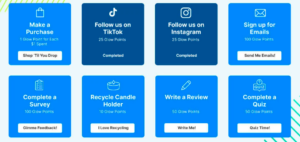
Gamification: Introducing game-like elements, such as challenges or achievements, can make the loyalty program more engaging. For example, customers could earn extra points for trying new menu items or visiting during off-peak hours.
Real-Time Notifications: Push notifications can keep customers informed about their reward status, upcoming promotions, or new menu items. This real-time communication helps keep your restaurant top-of-mind.
Seamless Redemption: Digital programs allow for easy redemption of rewards. Customers can simply show a QR code or tap their phone at the point of sale, making the process quick and hassle-free.
Customer Loyalty Program Incentives
Incentives are the cornerstone of any successful customer loyalty program.
The right rewards not only encourage repeat visits but also create a sense of value and appreciation that keeps customers coming back.
However, it’s important to strike a balance between offering enticing rewards and maintaining profitability. Let’s explore some effective incentive ideas and discuss how to manage this balance.
Ideas for Rewarding Loyalty
Discounts on Future Purchases
How it Works: Customers earn a percentage off their next visit after spending a certain amount. For example, after spending £50, they receive a 10% discount on their next meal.
Why It Works: Discounts are immediate and straightforward, making them a popular choice. They encourage customers to return sooner rather than later to take advantage of the savings.
Free Items or Meals
How it Works: After a set number of visits or purchases, customers can earn a free appetiser, dessert, or even a full meal.
Why It Works: Offering something for free creates a strong emotional response and a sense of value. It’s a tangible reward that customers can look forward to.
Exclusive Events or Access
How it Works: Loyal customers receive invitations to special events, such as wine tastings, cooking classes, or preview nights for new menu items.
Why It Works: Exclusive events make customers feel like VIPs. This type of reward builds a deeper connection with your brand and offers an experience that goes beyond the regular dining visit.
Personalised Offers
How it Works: Based on their preferences and purchase history, customers receive personalised rewards, such as discounts on their favourite dishes or a complimentary drink on their birthday.
Why It Works: Personalisation shows that you value your customers as individuals. Tailored offers are more relevant and likely to be used, enhancing customer satisfaction and loyalty.
Points-Based Rewards
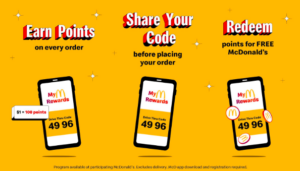
How it Works: Customers earn points for every purchase, which can be redeemed for rewards such as discounts, free items, or exclusive experiences.
Why It Works: Points-based systems are flexible and can cater to a wide range of customer preferences. They also create a sense of progress and achievement as customers accumulate points.
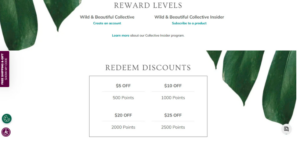
Tiered Rewards
How it Works: Create different levels of rewards based on customer spending or visit frequency. For example, reaching “Gold” status could unlock special discounts, while “Platinum” status might offer priority reservations or exclusive menu items.
Why It Works: Tiered programs motivate customers to increase their spending or visits to reach higher levels of rewards. They add an element of gamification and competition that can be very engaging.
Referral Rewards
How it Works: Encourage customers to refer friends by offering them a reward for each successful referral. The new customer might also receive a welcome discount or bonus points.
Why It Works: Referral rewards help expand your customer base while also rewarding existing customers for their loyalty. It’s a win-win that leverages word-of-mouth marketing.
Balancing Attractive Rewards with Profitability
While offering generous rewards can drive customer loyalty, it’s crucial to ensure that these incentives don’t erode your profit margins. Here are some strategies to maintain profitability:
Analyse Customer Lifetime Value (CLTV)
Why It Matters: Understanding the long-term value of a loyal customer can help you justify the initial investment in rewards. If a customer’s lifetime value significantly outweighs the cost of the incentives, the program is likely profitable.
Set Clear Earning Thresholds
How It Helps: By requiring customers to reach a certain spending level or number of visits before earning a reward, you can ensure that the rewards are sustainable. For example, offering a free meal after 10 visits spreads the cost across multiple transactions.
Offer Rewards with Low Marginal Costs
Why It Works: Consider rewards that have a high perceived value but low cost to your business. For example, a complimentary drink or dessert might cost less than offering a full meal but still feels like a generous reward to the customer.
Implement Expiration Dates
How It Helps: Setting expiration dates on rewards encourages customers to use them sooner, driving repeat visits. It also prevents the accumulation of unused rewards that could later impact profitability.
Monitor Redemption Rates
Why It Matters: Regularly track how often rewards are redeemed and adjust the program as needed. If a particular reward is too popular and impacting your margins, consider adjusting the earning threshold or offering a different reward.
Use Tiered Rewards to Drive Higher Spending
How It Helps: Encourage customers to spend more to reach higher reward tiers. For example, offering premium rewards at higher levels incentivises customers to increase their spending, which can offset the cost of the rewards.
Leverage Supplier Partnerships
Why It Works: Partner with suppliers or local businesses to offer rewards that don’t directly impact your costs. For example, a wine supplier might provide bottles for a loyalty event, or a nearby bakery might offer pastries as part of a cross-promotion.
Personalisation and Customisation
In today’s competitive restaurant landscape, personalisation is a powerful tool that can significantly improve customer engagement and loyalty.
By tailoring offers and experiences to individual customers based on their past behaviour and preferences, restaurants can create more meaningful connections that resonate on a personal level.
The Power of Personalisation
Tailored Offers Based on Purchase History
How It Works: By analysing customers’ past orders and dining habits, you can create personalised offers that are more likely to appeal to them. For instance, if a customer frequently orders a particular dish, you can offer a discount on that item or suggest complementary menu options.
Why It Works: Customers appreciate when their preferences are recognised and rewarded. Personalised offers feel more relevant and are more likely to be redeemed, leading to increased customer satisfaction and repeat visits.
Birthday and Special Occasion Rewards
How It Works: Collect customers’ birthdates or other special dates (such as anniversaries) and surprise them with a special offer or complimentary item to celebrate the occasion.
Why It Works: Celebrating personal milestones with your customers fosters a deeper emotional connection with your brand. It shows that you care about them as individuals, not just as patrons, which can significantly boost loyalty.
Personalised Communication
How It Works: Use customer data to tailor communication, such as email marketing or in-app notifications. Address customers by their names, reference their favourite dishes, or send reminders about their preferred dining times.
Why It Works: Personalised communication feels more genuine and engaging. Customers are more likely to respond positively to messages that feel relevant to their specific interests and behaviours.
Customisable Loyalty Rewards
How It Works: Allow customers to choose their rewards from a selection of options based on their personal preferences. For example, after earning a certain number of points, they could choose between a free dessert, a discount on their next meal, or an exclusive invite to a special event.
Why It Works: Giving customers control over their rewards increases their satisfaction with the loyalty program. They are more likely to engage with a program that offers flexibility and caters to their individual tastes.
VIP or Exclusive Access
How It Works: Identify your most loyal customers and offer them exclusive perks, such as priority reservations, first access to new menu items, or invitations to private events.
Why It Works: VIP treatment makes customers feel valued and appreciated, encouraging them to continue their loyalty. This sense of exclusivity can also create a sense of community among your most engaged patrons.
The Role of CRM Systems in Personalisation
Customer Relationship Management (CRM) systems are crucial for managing the data needed to deliver personalised experiences. Here’s how CRM systems can help:
Centralised Customer Data
How It Helps: CRM systems store all customer data in one place, including purchase history, preferences, and feedback. This centralised database allows you to easily access and analyse customer information to create targeted marketing campaigns and personalised offers.
Why It Matters: Having a comprehensive view of each customer enables you to make informed decisions about how to engage them. This data-driven approach ensures that your personalisation efforts are accurate and effective.
Segmentation and Targeting
How It Helps: CRM systems allow you to segment your customer base into different groups based on various criteria, such as spending habits, frequency of visits, or dietary preferences. You can then tailor offers and communication to each segment.
Why It Matters: Segmentation allows for more precise targeting, ensuring that your marketing efforts are relevant to each customer group. This targeted approach increases the likelihood of engagement and redemption of offers.
Automating Personalised Campaigns
How It Helps: CRM systems can automate the process of sending personalised offers and communication. For example, you can set up automated emails to be sent on customers’ birthdays or after a certain number of visits.
Why It Matters: Automation saves time and ensures consistency in your personalisation efforts. It allows you to scale your marketing without the need for manual intervention, ensuring that every customer receives timely and relevant offers.
Tracking and Analytics
How It Helps: CRM systems provide insights into the performance of your personalised campaigns. You can track metrics such as open rates, redemption rates, and customer feedback to assess the effectiveness of your personalisation strategies.
Why It Matters: Analysing the results of your campaigns allows you to continuously refine and improve your personalisation efforts. By understanding what works and what doesn’t, you can make data-driven decisions that enhance customer engagement.
Integrating with Other Systems
How It Helps: CRM systems can integrate with other technologies, such as point-of-sale systems, online ordering platforms, and loyalty apps. This integration ensures that all customer interactions are captured and used to inform personalisation efforts.
Why It Matters: Seamless integration across platforms creates a unified customer experience. Whether a customer is dining in, ordering online, or engaging with your loyalty program, their interactions are consistent and personalised.
Marketing Your Loyalty Program
Creating a stellar loyalty program is only half the battle; effectively marketing it is essential to ensure its success.
Promoting your loyalty program through a mix of in-store and online strategies will help you reach a broader audience and encourage sign-ups.
Clear communication and ease of use are key to maximising participation.
In-Store Promotion Strategies
Visible Signage
How It Works: Place eye-catching signage at key locations within your restaurant. Use posters, banners, or digital screens to highlight the benefits of joining the loyalty program.
Why It Works: Visible signage ensures that every customer who walks into your restaurant is aware of your loyalty program. It serves as a constant reminder to sign up, especially for repeat visitors.
Staff Engagement
How It Works: Train your staff to promote the loyalty program to customers during their interactions. They can mention it while taking orders, during payment, or when handing out receipts. Staff should be knowledgeable about the program’s benefits and able to answer any questions customers may have.
Why It Works: Personalised recommendations from staff can significantly influence customer decisions. When a friendly server or cashier suggests joining the program, customers are more likely to consider it.
Point-of-Sale Integration
How It Works: Integrate your loyalty program sign-up process directly into your point-of-sale (POS) system. During checkout, prompt customers to join the program and explain the immediate benefits they’ll receive, such as a discount on their next purchase.
Why It Works: The convenience of signing up at the point of sale, especially when tied to an instant reward, encourages immediate action. It reduces the friction of having to sign up later through a different process.
Incentivise Sign-Ups
How It Works: Offer a small incentive for joining the loyalty program, such as a free drink, dessert, or a discount on the current bill. Highlight this offer in your in-store promotions and during customer interactions.
Why It Works: An immediate reward provides customers with a tangible reason to sign up on the spot. It also gives them a taste of the benefits they can expect from the program.
Online Promotion Strategies
Website Integration
How It Works: Feature your loyalty program prominently on your website. Include a dedicated page that explains the program’s benefits, how to join, and any current promotions. Ensure that the sign-up process is simple and accessible from any device.
Why It Works: Your website is often the first place potential customers visit to learn more about your restaurant. A well-promoted loyalty program on your site can capture interest and drive sign-ups, even before a customer visits in person.
Social Media Marketing
How It Works: Use your social media platforms to regularly promote your loyalty program. Share posts that highlight the benefits, showcase rewards, and feature customer testimonials. Consider running social media-exclusive promotions where followers can earn extra points or rewards for joining.
Why It Works: Social media is a powerful tool for reaching a broad audience and engaging with your customers. Regular promotion on these platforms keeps your loyalty program top-of-mind and encourages followers to sign up.
Email Marketing
How It Works: Include information about your loyalty program in your email newsletters. Send targeted emails to existing customers who haven’t joined the program yet, offering them a special incentive to sign up. Use email to keep current members informed about new rewards, events, or updates to the program.
Why It Works: Email marketing allows you to directly reach your customers and provide them with detailed information about your loyalty program. Personalised emails can effectively drive sign-ups and keep members engaged.
Influencer Partnerships
How It Works: Partner with local influencers, food bloggers, or social media personalities to promote your loyalty program. They can share their experience with the program, showcase rewards, and encourage their followers to join.
Why It Works: Influencers have a dedicated following that trusts their recommendations. A positive endorsement from a well-known local influencer can boost the credibility of your loyalty program and attract new members.
Online Ordering and Delivery Platforms
How It Works: If your restaurant offers online ordering or partners with delivery platforms, promote your loyalty program on these channels. Include an option to sign up during the checkout process or offer loyalty points for orders placed online.
Why It Works: Many customers interact with your restaurant primarily through online ordering platforms. Promoting your loyalty program here ensures that these customers are aware of the benefits and are encouraged to join.
The Importance of Clear Communication and Ease of Use
Simple Sign-Up Process
How It Works: Make the sign-up process for your loyalty program as simple and quick as possible. Whether it’s through a mobile app, website, or in-store, ensure that customers can join with minimal effort, ideally in just a few clicks or taps.
Why It Matters: A complicated or time-consuming sign-up process can deter customers from joining. The easier it is to sign up, the more likely customers are to participate.
Clear Communication
How It Works: Clearly communicate the benefits of your loyalty program across all channels. Use concise, compelling language that highlights the rewards customers can expect. Ensure that the program’s terms and conditions are easy to understand.
Why It Matters: Customers need to know what’s in it for them. If the benefits and process are clearly communicated, customers are more likely to see the value in joining and staying engaged with the program.
Ongoing Engagement
How It Works: Regularly remind customers about your loyalty program and its benefits. Use a mix of in-store prompts, social media posts, and email reminders to keep the program top-of-mind. Update members about new rewards, exclusive offers, and upcoming events.
Why It Matters: Ongoing engagement keeps your loyalty program active and relevant. Regular communication ensures that customers don’t forget about the program and continue to take advantage of its benefits.
Common Pitfalls to Avoid
While loyalty programs can be a powerful tool for fostering customer loyalty and driving repeat business, there are several common pitfalls that restaurants often encounter when designing and managing these programs.
By being aware of these potential issues and implementing solutions, you can ensure that your loyalty program remains effective and engaging over the long term.
1. Overly Complicated Structures
The Pitfall:
Some loyalty programs are designed with complex rules, multiple tiers, or intricate point systems that can confuse customers. If the program is too complicated, customers may become frustrated and disengaged, leading to low participation rates.
The Solution:
Keep it Simple: Design your loyalty program with simplicity in mind. Ensure that the rules are straightforward, the rewards are easy to understand, and the path to earning those rewards is clear. For example, a simple points-based system where customers earn points for every pound spent is easy for customers to grasp and track.
Clear Communication: Provide clear instructions and examples of how the program works, both in-store and online. Use simple language and visuals to help customers understand the benefits and how they can participate.
2. Lack of Clear Communication
The Pitfall:
A loyalty program’s success relies heavily on effective communication. If customers are unaware of the program, don’t understand how to join, or are unclear about the rewards, participation will suffer.
The Solution:
Promote Consistently: Regularly promote your loyalty program across all customer touchpoints, including in-store signage, social media, your website, and through email marketing. Make sure customers know about the program from the moment they interact with your brand.
Transparent Information: Ensure that the terms and conditions, earning structures, and redemption processes are clearly outlined. Avoid fine print and ambiguity. Transparency builds trust and encourages participation.
3. Failing to Update the Program Over Time
The Pitfall:
A loyalty program that remains static over time can become stale and lose its appeal. If customers feel that the program is no longer offering fresh or valuable rewards, they may lose interest and stop participating.
The Solution:
Regular Updates: Periodically review and update your loyalty program to keep it fresh and exciting. Introduce new rewards, add seasonal or limited-time offers, and consider refreshing the earning structure to keep customers engaged.
Solicit Feedback: Regularly gather feedback from your customers to understand what they like about the program and where improvements can be made. Use this feedback to make informed adjustments that align with customer preferences.
4. Offering Rewards with Low Perceived Value
The Pitfall:
If the rewards offered through your loyalty program don’t provide sufficient value or relevance, customers may not feel motivated to participate. Rewards that are too small, too difficult to redeem, or unrelated to customer preferences can diminish the program’s appeal.
The Solution:
Offer Meaningful Rewards: Ensure that your rewards are desirable and relevant to your customer base. Consider offering a mix of rewards, including discounts, free items, and exclusive experiences, to cater to different customer preferences.
Ease of Redemption: Make the reward redemption process simple and accessible. Customers should be able to easily understand how to earn and redeem their rewards, without jumping through hoops.
5. Neglecting Personalisation
The Pitfall:
A one-size-fits-all approach to loyalty programs can fail to resonate with a diverse customer base. Neglecting to personalise rewards and offers can make the program feel generic and less engaging.
The Solution:
Leverage Data for Personalisation: Use customer data to personalise offers and rewards. Tailor rewards based on customer preferences, purchase history, and behaviour.
Segment Your Audience: Consider segmenting your customer base and offering different rewards or communication strategies to different segments. This allows you to cater to the specific needs and preferences of various groups within your customer base.
6. Ignoring Customer Feedback and Engagement
The Pitfall:
Failing to listen to customer feedback can lead to a loyalty program that doesn’t meet their needs or expectations. If customers feel that their opinions are not valued, they may disengage from the program.
The Solution:
Actively Seek Feedback: Regularly ask for customer feedback on the loyalty program through surveys, social media, or direct interactions. Listen to what customers are saying and be willing to make adjustments based on their input.
Engage with Customers: Maintain an ongoing dialogue with your customers about the loyalty program. Respond to their questions, address their concerns, and make them feel involved in the program’s evolution.
7. Underestimating the Importance of Analytics
The Pitfall:
Not tracking the performance of your loyalty program can result in missed opportunities for improvement. Without data, it’s difficult to know what’s working and what’s not.
The Solution:
Monitor Key Metrics: Track metrics such as sign-up rates, participation levels, redemption rates, and overall customer engagement. Use this data to assess the program’s effectiveness and identify areas for improvement.
Iterate Based on Insights: Use the insights gained from your analytics to make data-driven decisions about the program. If certain rewards are more popular or if specific segments are more engaged, tailor your strategy accordingly.
8. Lack of Integration with Overall Brand Strategy
The Pitfall:
A loyalty program that feels disconnected from your overall brand strategy can be less effective. If the program doesn’t align with your brand values or customer experience, it may not resonate with your audience.
The Solution:
Align with Brand Values: Ensure that your loyalty program reflects your brand’s values and overall customer experience. For example, if your restaurant focuses on sustainability, consider offering eco-friendly rewards or partnering with like-minded brands.
Consistency Across Channels: Integrate your loyalty program into your broader marketing and customer engagement efforts. The program should feel like a natural extension of your brand and be consistently represented across all channels.
Conclusion
A well-crafted loyalty program can be a game-changer for your restaurant, hopefully transforming occasional diners into devoted regulars.
By understanding the nuances of digital versus traditional programs, offering meaningful incentives, and embracing personalisation, you can create a loyalty program that truly resonates with your customers.
Remember to market your program effectively, avoid the common pitfalls, and continually update and refine your approach to keep it fresh and relevant.
In today’s competitive restaurant landscape, loyalty isn’t just earned—it’s cultivated through thoughtful strategy and consistent effort.
By investing in a loyalty program that reflects your brand values and meets the needs of your customers, you’re not only enhancing their dining experience but also building a strong foundation for sustained success.
If you need assistance finding the right platform for your loyalty program, contactNFS.
It’s tough out there in hospitality land. Customers facing cost of living squeezes, labour hard to come by, costs soaring and competition at an all-time high. But the best operators are doing impressively well – and we know exactly why.
Big names like GAUCHO, Dishoom, Marugame Europe and Doner Shack – valued clients of NFS Hospitality – are leveraging the power of technology to support their thriving operations.
Read on to discover the tips you can take from the big names – and to know 5 ways technology can improve your restaurant operations.
Boosting efficiency and customer satisfaction
Both of these factors are major players when it comes to success, and as a result leveraging technology in restaurant operations has become indispensable.
From streamlining order management to enhancing customer experiences and promoting loyalty, restaurant technology is important in in optimising workflow and maximising profitability in restaurant operations of all sizes. It’s why restaurant pos system software represents a good investment.
5 ways technology can improve your restaurant operations
Streamlining the ordering process
Optimising your labour
Enhanced customer engagement and loyalty
Better inventory management
Data-supported decision making
Streamlining the ordering process
Customers want convenience these days, and for many that means the ability to browse menus and order their meal online.
The best epos offers an online food ordering system, that integrates with online ordering platforms such as Grubhub or Uber Eats. This is not only quick and easy for customers but also provides increased accessibility to your services to a wider audience.
Customised mobile apps allow customers to browse the menu and make their selection effortlessly whether they are at home or in your outlet, leading to improved engagement and driving up the possibility of repeat ordering.
Optimising your labour
Labour is at a premium these days, and restaurants are working hard to ensure a good working environment where staff are happy to stay. It’s also crucial to operations and the bottom line to make the best use of the staff available.
That’s where epos comes in. Implementing tableside ordering tablets for either the diners or your serving staff enables orders to be sent immediately to the kitchen, eliminating human error that gets food sent back and reducing the time it takes for the order to arrive. It also reduces the time staff need to run back and forth to the kitchen, so they can put their valuable efforts into engaging with the diners and upselling.
POS systems also streamline order processing, simplify payment transactions – payment can also be taken at tableside – and provides valuable insights into sales trends and staff performance thanks to comprehensive reporting.
Your data can be used to organise shift scheduling, ensuring that you have optimal staffing levels and busy and less busy times – it’s a good way to minimise staff costs while maximising efficiency and offering the best customer service. Providing good training alongside the epos technology equips your staff with the necessary skills to give great service and enjoy their work.
Enhanced customer engagement and loyalty
All the big-name NFS clients we mentioned above (and many others) have exceptional reputations for customer engagement and effective loyalty programmes that reward diners and build up a valuable bond.
They use customer loyalty program software to achieve the best results, and also enable their customer base to act as ambassadors by using gift card management software to treat their friends and relatives to a meal.
Implementing Customer Relationship Management (CRM) systems allows restaurants to gather incredibly valuable customer date and personalise interactions with them. This means marketing offers are targeted to people who are likely to make the most of them, and encourages a sense of belonging.
Feedback management programmes allow restaurants to collect, analyse and respond to customer feedback promptly. It’s a great way not only to head off complaints at the pass, but also to foster a culture of continuous improvement across the whole organisation.
All of these facilities can be accessed online by managers anywhere, reducing the need to duplicate head office functions in multi-location groups and creating an end-to-end view of the business at all times – something that can otherwise be hard to achieve in the hurly-burly of hospitality operations.
Better inventory management
Reducing food waste is high on the agenda of any hospitality business seeking to create a sustainable environment, and it also makes huge sense financially.
Restaurant management software, with its real-time reporting, enables excellent inventory tracking so stock levels are accurately recorded and wastage is drastically reduced. It also enables your staff to quickly understand when a dish becomes unavailable, allowing them to manage the expectations of guests by offering an alternative.
Predictive analytics is a further ingredient in the recipe for restaurant success, helping forecast demand trends so you can optimise stock levels and make proactive decisions and cost savings.
Integrating with your suppliers via technology streamlines your procurement process, making sure deliveries are timely and inventory levels are kept up to scratch.
Data-supported decision making
Business intelligence tools designed specifically for hospitality operations enable restaurant owners to analyse key metrics for performance, identify upcoming trends and make data-drive decisions that will improve operational efficiency and the profitability of the business.
Leveraging the real-time reporting capabilities of epos provides managers and owners with up-to-the-minute insights into sales performance, inventory levels and customer feedback so you can take timely corrective actions where needed and create long-term strategies for continued success.
Integrating various restaurant technology solutions into your epos platform, such as a table reservation system ensures seamless data flow across the different operational functions, taking the guesswork out of decision-making and providing firm foundations on which to grow your business.
Conclusion – technology is the special sauce
What does real restaurant success look like these days? Great food, outstanding customer service, costs and wastage under control and happy, motivated staff who are not run off their feet meeting diner expectations every day.
No surprises there – but supporting all these excellent ambitions in today’s hospitality industry is technology, the special sauce that brings it all together and makes the magic happen.
It’s why the most successful restaurants and groups in the UK have deployed epos technology and its integrated facilities, and are reaping the benefits even as we speak. It’s an investment that makes perfect sense – a gift to operations that will keep on giving however circumstances in the industry evolve.
The concept of rewarding customers for their loyalty is a time-honoured tradition that has significantly evolved over the decades. While loyalty programmes are now a common fixture in the competitive landscape of the hospitality industry, their origins can be traced back to the Great Depression. A notable early example was Betty Crocker’s innovative approach, encouraging customers to collect cake-mix box tops and mail them in exchange for money-saving coupons. This rudimentary form of a loyalty programme laid the groundwork for the complex and highly beneficial schemes we see in the restaurant sector today.
The Evolution of Loyalty Programmes
The transformation of loyalty programs has been largely driven by advancements in technology. These programmes have transitioned from simple, tangible rewards to sophisticated, data-driven systems that offer insights into customer behaviour and preferences. For restaurants, the adoption of loyalty programmes has proven to be particularly advantageous. Not only do these programmes incentivize additional purchases and higher spending, but they also facilitate a deeper understanding of a restaurant’s most valued patrons. This enables the provision of highly personalised services, enhancing the overall dining experience and fostering stronger guest relationships.
In the current era, loyalty programmes are celebrated for their capacity to significantly impact a restaurant’s bottom line. They serve as an effective strategy for attracting new customers, converting casual visitors into regulars, and elevating sales figures. Despite the diversity in how these programmes are structured and implemented, the core advantages they offer remain steadfast: they contribute to customer satisfaction, drive revenue growth, and strengthen guest loyalty.
The Mechanics of Loyalty Programmes
At its essence, a loyalty programme functions as a strategic tool for restaurants to cultivate and enhance relationships with their clientele. By enrolling in a loyalty programme, guests are rewarded with perks such as free items, points, or other incentives with every purchase they make. Beyond the immediate rewards, these programmes are instrumental in gathering valuable data about guests’ dining habits and preferences. This information is critical for tailoring services and creating more meaningful dining experiences that resonate with individual tastes.
Loyalty programmes can manifest in various forms, ranging from traditional punch cards to digital rewards tracked through mobile apps or integrated into a restaurant’s POS system. Some establishments elevate the concept by offering paid memberships that unlock an array of exclusive benefits, from VIP treatment to special event invitations.
The Objectives and Benefits of Loyalty Programmes
The overarching goal of a loyalty programme is to motivate repeat patronage and elevate customer spending. However, the ripple effects of a well-executed loyalty programme extend far beyond financial gains:
Transforming New Customers into Regulars: The Salesforce report highlights that acquiring new customers can be up to six times more costly than retaining existing ones. Loyalty programmes offer a cost-effective solution for converting first-time visitors into loyal patrons, thereby reducing customer acquisition costs and enhancing profitability. The gamification aspect of earning points can also amplify customer enjoyment and association with the brand.
Attracting New Customers: Offering enticing rewards through a loyalty programme can serve as a powerful lure for potential customers, providing a competitive edge. These initial perks may carry a minimal cost to the restaurant but offer substantial value to guests, laying the groundwork for a profitable long-term relationship.
Boosting Revenue: Customers engaged in a loyalty programme tend to visit more frequently and spend more, with Salesforce reporting up to 18% higher spending by loyalty programme members. This increase in revenue underscores the importance of loyalty programmes in fostering a dedicated customer base.
Personalised Service and VIP Treatment
The real magic of a successful loyalty programme lies in its ability to personalise the guest experience. By leveraging customer data, restaurants can offer personalised touches that resonate deeply with guests, from remembering their preferred seating to anticipating their favourite dishes. This level of personalised service not only enhances the dining experience but also elevates the restaurant’s status in the eyes of its guests, making it their go-to choice.
The Spectrum of Loyalty Programmes
Choosing the right loyalty programme structure is pivotal to its success. Options include:
Tiered Loyalty Programmes: Guests unlock progressively better rewards as they reach higher spending thresholds. This model encourages increased spending and deepens customer engagement.
Points-Based Programmes: Customers earn points relative to their spending, which can be redeemed for discounts or free items. This straightforward approach is popular for its simplicity and direct value to guests.
Subscription-Based Programmes: These programmes offer continuous perks for a regular fee, providing consistent value and fostering loyalty through repeated engagement.
Visit frequency-based programmes: Rewarding customers based on the frequency of their visits, rather than the amount spent, emphasises the value of consistent patronage.
Leveraging Technology in Loyalty Programmes
The integration of technology is crucial for the modern loyalty programme. Digital platforms and POS systems not only streamline the operation of these programmes but also provide a wealth of data on customer preferences and behaviours. This enables restaurants to tailor their offerings more precisely and recognise and reward their most loyal customers effectively.
Implementing a Robust Loyalty programme
While setting up a loyalty program might seem daunting, the investment of time and resources is justified by the manifold benefits. We can help, all you have to do is click below.
Technology plays a crucial role in streamlining restaurant operations, enhancing customer experiences, and driving growth. However, as restaurant owners and operators look to build or upgrade their tech stacks, they face a critical decision: should they opt for best-in-class solutions for each specific need, or is an all-in-one platform a more efficient approach? This blog explores the pros and cons of each option, offering insights to help you make the best choice for your restaurant.
Best-in-Class Solutions: Tailored Excellence
Pros:
Specialisation:
Best-in-class solutions offer specialised features that cater to specific aspects of restaurant operations, such as reservations, point-of-sale (POS) systems, inventory management, or customer relationship management (CRM). This specialisation often means these solutions are more advanced in their specific domain, offering deeper functionality and customisation.
Flexibility:
By choosing individual best-in-class solutions, restaurants can mix and match technologies based on their unique needs, ensuring they’re getting the best tool for each aspect of their operations.
Innovation:
Because these solutions focus on a specific niche, they are often at the forefront of innovation within their domain, quickly integrating new technologies and trends.
Cons:
Complexity in Integration:
Utilising multiple specialised solutions can lead to challenges in integration, as not all systems may work seamlessly together. This can result in data silos and inefficiencies in operations.
Higher Costs:
Investing in several best-in-class solutions can be more expensive than a single all-in-one platform. Subscription fees, integration costs, and the need to potentially hire experts to manage and maintain multiple systems can add up.
Management Overhead:
Each solution comes with its learning curve, updates, and support needs, requiring more time and resources for staff training and management.
All-in-One Platforms: Streamlined Simplicity
Pros:
Integration:
All-in-one platforms are designed to offer a cohesive experience, with various functionalities integrated into a single system. This eliminates data silos and ensures smoother operations across all areas of the restaurant.
Cost-Effectiveness:
Generally, all-in-one solutions can be more cost-effective than the cumulative expense of multiple best-in-class systems. With a single subscription, you get a range of functionalities.
Simplified Management:
Managing a single system is inherently simpler. Training staff, performing updates, and accessing support become more straightforward, freeing up time and resources for other tasks.
Cons:
Jack of All Trades, Master of None:
While all-in-one solutions cover a wide range of functionalities, they may not offer the depth or customisation that a specialised solution does in each particular area.
Limited Flexibility:
With an all-in-one platform, restaurants are somewhat at the mercy of the provider for updates and new features. If the platform is slow to innovate in a particular area, the restaurant might miss out on leveraging new technologies that could benefit its operation.
Potential for Unnecessary Features:
These platforms often come with a wide range of features, not all of which may be relevant to every restaurant. This can lead to paying for functionalities that go unused.
Making the Choice: Aligning with Your Restaurant’s Needs
The decision between best-in-class solutions and an all-in-one platform ultimately depends on your restaurant’s specific needs, goals, and resources. Here are some considerations to guide your choice:
Assess Your Specific Needs:
Understand the unique challenges and opportunities within your restaurant. Are there areas where specialised functionality could drive significant improvements? Or would a streamlined, integrated system better suit your operational model?
Consider Your Growth Plans:
If you’re planning to scale, think about how your tech stack will need to evolve. Flexibility and the ability to integrate innovative solutions might become increasingly important.
Evaluate Your Resources:
Consider both the financial and human resources available to manage your tech stack. A larger, more tech-savvy team might handle a complex ecosystem of best-in-class solutions, while smaller teams may benefit from the simplicity of an all-in-one platform.
Building your restaurant’s tech stack is a critical decision that can significantly impact your operation’s efficiency, customer satisfaction, and bottom line. Whether you choose best-in-class solutions for their specialised functionality and innovation or opt for the streamlined simplicity of an all-in-one platform, the key is to select a strategy that aligns with your restaurant’s needs and growth objectives. By carefully considering your options and making an informed decision, you can ensure your technology investment supports your restaurant’s success in the competitive hospitality landscape.
Digital transformation shapes every corner of the business landscape, and the restaurant industry is no exception.
The dynamic, fast-paced nature of this sector demands tools that not only keep up but push the pace on efficiency and customer satisfaction. Driving profits and increasing customer lifetime value are also key goals vital for long term growth.
The restaurant EPOS system is the pivotal technology that modern restaurants cannot afford to overlook. It is clear a restaurant POS system software is more a necessity than a luxury in 2024. Integrated with other hardware and software solutions it can become the centrepiece of your restaurant operation.
There are many reasons why you should use a POS system for restaurant. This blog explores five of the main reasons.
Enhanced Efficiency and Speed
A sophisticated POS system for restaurant is designed precisely to streamline every operational aspect—from taking orders directly at the table to processing payments swiftly and all points in-between.
The system minimises human error, reduces waiting times, and ensures a smooth workflow between the kitchen and the dining area.
Staff can manage orders more effectively, with updates and changes instantly communicated, leading to a significant improvement in service speed and customer satisfaction.
Faster order preparation: Aloha integrates seamlessly with kitchen display systems (KDS). Orders can be sent from the handheld device to the restaurant POS system software to the KDS in seconds. No more jammed printers and flying pieces of paper, the integration brings efficiency. Orders can be fired to multiple prep areas.
Streamlined operations: the Aloha EPOS restaurant software streamlines operations, increases efficiency, boosts revenue, and offers features like fraud prevention, labour control, stock control, allergen control, and more to enhance overall efficiency in managing a restaurant business.
Guest management and labour control: the system helps in managing guest reservations, seating, ordering, billing, loyalty programs, and also assists in scheduling staff efficiently to keep labour costs down and maximise productivity.
Mobile ordering and stock control: with robust handheld technology for mobile ordering and tight stock control features like accurate purchase forecasting and real-time management reporting, Aloha EPOS ensures efficient transactions at the front of the house and effective inventory management.
Improved Customer Experience
In today’s market, a memorable dining experience is as much about the service as it is about the food. A restaurant EPOS system enhances customer experience by ensuring orders are taken accurately and bills are settled quickly. Moreover, with integrated CRM capabilities, restaurants can offer personalized services based on customer preferences and past orders. This level of personalization and efficiency not only delights customers but also encourages repeat business, fostering loyalty in a competitive landscape.
Fully integrated with Aloha restaurant EPOS software, the Paytronix guest engagement platform offers several features that enhance customer experience, including:
Loyalty programs: Paytronix provides a comprehensive loyalty program that helps businesses engage with customers and improve loyalty programs.
Online ordering: The platform integrates online ordering with loyalty programs, creating a seamless experience for customers and increasing order frequency by, on average, 18%.
Omnichannel messaging: Paytronix delivers omnichannel messaging capabilities, allowing businesses to reach customers through various channels for a more personalized experience.
AI Insights: by incorporating Artificial Intelligence capabilities, Paytronix enables businesses to gain deeper insights into guest behaviours and preferences, leading to more tailored and effective marketing campaigns.
Payments integration: The platform includes payment integration features, streamlining the payment process for customers and enhancing overall convenience.
Inventory and Stock Management
Effective inventory management is vital for maintaining profitability in the restaurant business. With a restaurant EPOS software, owners can keep a real-time tab on stock levels, track ingredient usage, and even predict future inventory needs based on historical data. This precision reduces waste, lowers costs, and ensures that the restaurant never runs out of customer favourites.
Automated alerts for low-stock items and the ability to place orders directly with suppliers make inventory management a breeze, allowing restaurateurs to focus more on their culinary creations and less on backend operation.
Comprehensive Reporting and Analytics
The EPOS software for restaurant offers advanced reporting and analytics tools that provide insights into sales, customer preferences, and operational efficiency. These data points are invaluable for making informed decisions about menu changes, marketing strategies, and operational improvements. By understanding customer behaviour and operational efficiencies, restaurants can tailor their offerings to meet market demand, optimize costs, and boost profitability.
Aloha EPOS offers real-time reporting solutions, enabling businesses to track sales efficiently. Moreover, Aloha EPOS provides a 360-degree view of the business with the ability to monitor key performance indicators (KPIs) in real-time from anywhere thanks to Aloha Pulse.
Integrated payment solutions
In an age where contactless and mobile payments are becoming the norm, restaurants need to adapt to these changing consumer preferences. A modern POS system offers a variety of payment solutions, ensuring that transactions are not only fast but also secure. These systems support the latest in payment innovation, providing customers with the convenience and flexibility they expect.
Aloha works with mobile payment solutions providers to offer an intuitive and convenient mobile payment option to your diners.
With the mobile payment app customers can:
Pay at table – they can check, split and pay their bill at the table without a waiter. Ideal for groups
Order and collect – customers can order and pay for their food for pick up
Order at table – customers can place their order for food, extras and drinks without a waiter
At the same time, you enjoy two key benefits:
Enhanced operations – save on average 7 minutes per table
Improved loyalty – you can offer promotions and tailored offers to your guests
Conclusion
As we move further into 2024, the argument for adopting a POS system in restaurants becomes increasingly compelling. From streamlining operations and enhancing customer experience to providing actionable insights through data analytics, the benefits are clear to see.
Implementing a restaurant POS system is not just about keeping pace with technology—it’s about setting your operation apart in a crowded and competitive field. Embracing this technology is a step toward not just surviving but thriving in the dynamic world of the restaurant industry.
Our best of breed Aloha solution will help you break from the pack. Contact us today for impartial advice on the best solution to meet your needs.
The hospitality landscape is constantly changing, and convenience is king, especially when it comes to ordering food. Customers expect more than just a transaction; they desire a seamless and personalised ordering experience. If your restaurant isn’t offering online ordering, you’re missing out on a significant opportunity to cater to these expectations and drive business growth.
But fear not! Implementing an online ordering system doesn’t have to be daunting or expensive. In fact, with the right system in place, it’s easier and more affordable than you might think. Let’s explore why online ordering is a must for restaurants and how it can revolutionise your business.
Advantages of Online Ordering for Restaurants
Online ordering offers several key advantages for restaurants, including streamlining operations, increasing revenue, and improving order accuracy. Let’s dive into each of these benefits and see how they can transform your business.
Streamlining Restaurant Operations
Running a restaurant is no easy feat, but online ordering can help simplify and streamline your operations. By centralising your online ordering system with one provider, you can integrate various functions such as ordering, payments, and menu optimisation into a single, easy-to-use platform.
This streamlines your operations, saving time and resources for both your team and your customers. Additionally, a unified system provides enhanced analytics and reporting, giving you valuable insights into guest data and supporting better decision-making and business planning.
Increasing Restaurant Revenue
Boosting revenue is crucial in the competitive restaurant industry, and online ordering can help you achieve this goal. By investing in a scalable online ordering system, you can save money in the long run and accommodate future growth without breaking the bank.
Moreover, powerful analytics and reporting tools provided by online ordering systems allow you to identify trends and patterns in customer behaviour. Armed with this information, you can optimise everything from pricing to promotions, ultimately improving profitability and revenue.
Improving Order Accuracy
Order accuracy is paramount in the restaurant business, and online ordering systems can significantly reduce errors compared to traditional phone orders. When customers can specify their selections and preferences online, they feel more in control of their orders, leading to increased satisfaction and loyalty.
Furthermore, online ordering systems can facilitate upselling opportunities by promoting recommended menu items and limited-time offers. This can incentivise customers to spend more per order and drive additional revenue for your restaurant.
How to Get Started with Online Ordering
Now that you understand the benefits of online ordering, it’s time to take the plunge and get started. Here are a few tips to help you navigate the process:
Choose the right online ordering system for your restaurant, considering factors like features, integrations, and cost.
Follow industry best practices for a successful implementation to optimise your usage and maximise benefits.
Promote your online ordering platform to raise awareness among customers and incentivise them to place orders online.
Online ordering is no longer a luxury; it’s a necessity for restaurants looking to thrive in the digital age. By embracing online ordering, you can streamline operations, increase revenue, and improve customer satisfaction—all while staying ahead of the competition.
Now is the time to launch online ordering for your restaurant. Don’t miss out on this opportunity to take your business to new heights.
Investing in a new EPOS software solution is a significant undertaking both in terms of time and money. It is easy to make mistakes when choosing a restaurant EPOS software.
When considering the implementation of a restaurant EPOS software system to streamline your restaurant’s operations, selecting the right one is obviously crucial. The POS system you opt for will serve as the engine of your operation ensuring efficiency and streamlining operations.
Given its significance, it’s imperative to avoid errors during the purchase process, as a poor choice could result in being saddled with an ineffective system that offers no benefit and will leave you out of pocket. Below are the five most common mistakes made by purchasers of POS systems.
1. Buying the cheapest EPOS
The saying is “buy cheap, buy twice”. You certainly don’t want to be buying a restaurant EPOS twice – it needs to be a carefully thought-out and balanced decision. Unlike the worst restaurant pos systems, a great EPOS for restaurant will generate a return on investment from day one.
You may find a cheap restaurant EPOS system that does the basics, but you need to carefully weigh up whether it will give you the functionality you need – not just today but in the future.
Also, look into the hidden costs – the basic EPOS for restaurant software may be “cheap’ but if you need to pay extra to unlock features then it is a false economy and it can quickly start to add up and even surpass the more expensive solution.
With a fully-fledged EPOS software for restaurant, you will get more than just order processing and you will get additional features such as stock control, multi-site reporting, guest management and handheld ordering.
2. Choosing the wrong supplier
A trustworthy supplier ensures a dependable EPOS system for restaurant. Therefore, investigate potential EPOS system for restaurant suppliers before deciding.
Key questions to pose to your prospective EPOS supplier might encompass:
What is the duration of the company’s operation in the industry?
What is the scale of the company? How many staff members are dedicated to support the EPOS systems for restaurants?
What does the after-care service consist of? Is it phone based? Is there an actual human you can speak to?
What can they provide in terms of client references? Are they successful businesses and can you speak to them for an unbiased view?
Do they offer any value addition? Can they offer unbiased consultancy, and do they offer the full solution such as hardware and integrated software?
What do their support contracts cover? Are there any hidden charges?
Do they offer any training sessions or guidance materials for the product?
3. Overlooking future needs
An EPOS system becomes a repository for a vast array of your business information, making it crucial to choose a solution that won’t require replacement in just a few short years.
Therefore, it’s advisable to seek a solution that not only resolves your current challenges but also aligns with your future needs. Begin with a forward-looking strategy, outlining your objectives for the next five years (or more!), prioritizing your requirements, and ensuring that your plan is in harmony with your financial resources.
A cloud-based solution offers scalability as and when you need it – simply increase user licenses as your business grows and you open more sites. With a monthly licensing model, you can keep track of your investment while also ensuring that your software is fully up to date with all the latest features. New functionality is updated automatically – you never get left behind. With minimal implementation required and working on iPad/Android tablets the initial investment of time and money is very affordable.
4. Expecting a one-size-fits-all system
Every sector comes with its distinct demands, and each enterprise has its specific needs as well.
Discovering an EPOS that fulfills all your criteria right off the bat can be challenging. Therefore, aiming for a system that meets roughly 95% of your needs, with the option for customisation to cover the remaining aspects, is a practical approach.
Look for a solution which integrates online ordering, mobile payment apps, kitchen automation and loyalty programmes to manage all the key aspects of your operation.
5. Insufficient Training and Support
You may be tempted to cut costs on training and support. Resist this temptation at all costs.
It is a vital investment in your business to ensure that your staff get the most and best training they can. Learning from product experts means they will get exposure to the best practices that will ensure you get the best from your investment and will increase your staff’s efficiency in using the system.
Great after-care is vitally important. Look for a solution that covers all your opening shifts – having to pay per call outside covered hours can prove much more costly than investing in an annual support contract!
What NFS Technology offers
As a leading supplier NFS Technology offers:
Award-winning training and support – available 24/7, 365 days a year. Your support calls will be answered by a real human – not a chat bot. With their extensive IT expertise and hospitality experience you can rely on them to answer any questions promptly and knowledgeably.
Our helpdesk team is comprised of industry experts. Our training plans are designed so that you and your teams get the maximum return on your investment.
You will also be assigned a dedicated account manager to support you and guide you post-installation. We are supplier agnostic so we will only give advice and recommend solutions that align with your long-term business goals.
A long-term partnership – we have been supplying solutions for nearly thirty years and we work with many leading bar and restaurant operators from award-winning independents to large international chains. Our client references speak for themselves.
Check out this success story to discover how our solution is driving growth at the leading bar operator BrewDog.
Best of breed solutions – we provide best of breed solutions managing all aspects of our clients’ operation encompassing order processing, kitchen automation, enterprise management reporting, guest management, handheld ordering, stock control and labour management. And much more!
For group operators we offer enterprise solutions custom built to enable them to manage their whole estate from one powerful dashboard enabling them to make impactful decisions even on the fly.
Integration with leading partner solutions – we work with a carefully selected partner network. One size does not fit all so integration is a great way of delivering the solution that will truly meet your needs.
NFS solutions are designed to integrate seamlessly with loyalty programmes, kitchen display systems, mobile ordering apps, digital signage and online ordering to digitally transform your operation and provide an ecosystem that is future proof.
Conclusion
Choosing the right solution for your restaurant needs to be a considered choice – one that cannot be made on cost alone.
As we have shown, there are several factors to consider – from scalability to support to integration capabilities. You need to evaluate whether your supplier is going to be a long-term partner who can offer the best solutions that will help your business grow – today and into the future.
Contact us today to see how we can digitally transform your business.
Customer satisfaction has always reigned supreme in the hospitality business – probably more than in any other consumer-facing industry.
So restaurants constantly seek innovative ways to keep their clientele happy and engaged. These days, technology plays a huge role in achieving this.
Among the tools available, Customer Engagement Platforms (CEPs) and Customer Relationship Management (CRM) systems stand out as powerful instruments for nurturing customer relationships and driving business growth.
So what’s the difference between the two – and which one is for you?
Understanding the distinctions between these differing client engagement software platforms can help you make informed decisions about which solution best suits your needs.
So, let’s dig into the comparison between Customer Engagement Platforms and Customer Relationship Management systems – and explore how each customer engagement tool can elevate your business.
Customer Engagement Platform (CEP)
Comprehensive insight: CEPs offer a comprehensive view of your customer interactions across various touchpoints, including social media, email, website visits and more. This fully rounded perspective gives you a deep understanding of your customers’ behaviour patterns and preferences in depth.
Customised engagement: Through advanced analytics and AI-driven insights, CEPs help you create personalised engagement strategies. With the help of data-driven intelligence, you can tailor your interactions with customers – such are marketing emails and offers – delivering relevant content and offers at the right time and through the preferred channels.
Omnichannel ability: One feature of these customer engagement tools is their ability to integrate seamlessly with multiple communication channels. Whether it’s email, messaging, live chat, or social media, these customer engagement platforms put you right in touch with your customers across diverse platforms, making sure your messaging is consistent and cohesive.
Making predictions: CEPs use predictive analytics to forecast customer behaviours and identify the potential opportunities and risks for your business. By analysing historical data and trends with these customer engagement platforms, you can anticipate your customers’ needs and proactively address issues.
Automated workflows: CEPs streamline your business processes by using workflow automation, eliminating the need for manual tasks while improving the efficiency of your operations. By automating routine processes such as nurturing leads, follow-ups and customer support ticketing, your business can make the most of its resources and focus on the activities that add value.
Customer Relationship Management (CRM)
A centralised database of customers: A CRM is a customer interaction platform that centralises your customer information – everything from contact details to purchase history and communication preferences. By consolidating data from various sources in a single place, CRM systems provide a unified view of customer interactions, so your different departments can collaborate and co-ordinate their efforts.
Sales pipeline management: By tracking leads, opportunities, and deals throughout the sales cycle., your CRM provides a real-time view real-time of sales performance and forecasting.
Enhancing customer service: The CRM streamlines support processes and supports resolutions. By tracking customer inquiries, complaints and feedback, they ensure you can deal with issues promptly, enhancing customer satisfaction and encouraging loyalty.
Managing marketing: With a CRM, you can create targeted marketing campaigns by segmenting customers based on their demographics, behaviour and preferences. Then you can use automation tools to create personalised campaigns that resonate with specific audience segments.
Integration ability: CRMs integrate seamlessly with other business applications, such as marketing automation platforms, ERP systems and epos platforms. This means your company has consistent data., even across a broad group.
Every business is different, but this is exceptionally so when it comes to hospitality, and there are 5 things you should consider when making your decision about your customer experience management platform:
Your business goals: Is your main focus customer engagement and loyalty, or are you more interested in firming up sales processes and driving revenue growth?
Customer insight: How deep do you need to go when capturing and understanding customer insights? Do you need advanced analytics capabilities to draw actionable insights from customer data, or is a centralized database for managing customer interactions enough?
Scalability and flexibility: How scalable and flexible is the platform you are looking at? Will it grow to fit in with your future plans, and is it flexible enough to integrate with other systems you need?
Your users: Who’s going to be using the system in your restaurant, and how user-friendly is it? Will deployment and training be easy?
ROI: Assess the cost carefully and determine what level of return on investment you expect to achieve – don’t forget to factor in implementation costs, maintenance and potential revenue gains or cost savings.
The expert touch
There’s no doubt that both Customer Engagement Platforms and Customer Relationship Management systems are huge assets to any hospitality business, fostering insightful relationships with customers and enabling your business to provide the kind of exceptional customer experience you need to succeed.
Both are an essential part of the digital toolkit now available to restaurateurs to sharpen up their business. They integrate in particular with epos systems that enable operational efficiencies such as tableside ordering and payment, speeding up service, and also online reservations and ordering.
The modern-day diner is highly demanding, and competition remains intense. Providing diners with the convenience, choice and seamless service they now require is essential if your business is to stand out from the rest and foster the loyalty that brings repeat business.
Ultimately, though, the key to success lies in selecting the right solution that best aligns with your business needs and empowers you to cultivate lasting relationships with your customers.
Expert help is, of course, on hand from companies such as NFS Restaurant Technology, and you should seek those who offer a consultative approach that understands your business and guides you through the maze of good decision making.
Platforms that provide you with deep customer insight are an invaluable part of this. By understanding the unique strengths and capabilities of CRMs and CEMs, and aligning them with your business objectives, they will help you elevate your hospitality business and deliver exceptional customer experiences.
Restaurant operations are notoriously difficult to organise, because of their immense complexity – not only are there everyday issues of the business to sort out, but there are also the ever-evolving behaviours of customers to satisfy.
It’s not surprising, then, that the integration of restaurant management technology has become the secret of success for many operations.
Restaurant systems are sophisticated solutions designed to streamline operations, enhance customer experiences and elevate profitability. From optimising order processing to facilitating inventory management, it’s fair to say that these systems are revolutionising the way modern restaurants operate.
A restaurant management platform integrates various functionalities, including point of sale, inventory management, and customer relationship management, eliminating the need for multiple disparate systems.
As your restaurants grow and evolve, management systems offer scalability, allowing for seamless expansion and integration of additional features and modules.
In helping you grow your business in what is always an incredibly crowded market, restaurant management software helps give you a competitive edge, whether you run a single independent outlet or a whole group.
7 top benefits of restaurant management systems:
Better relationships with your customers
An end-to-end view of your business
Analysis and forecasting
Employee satisfaction and retention
Better labour and stock control
Enhanced financial management
Targeted marketing for wider reach.
Better relationships with your customers
Restaurant’s relationships with customers have always been intense and important, but since the days of the pandemic they have evolved to cater for new and changed demands.
Customers now have a strong emphasis on convenience and speed as well as on the quality of food and service you provide. Restaurant systems that include EPOS are an immense help in this area, making it quicker for customers to place their order and also to pay.
For instance, serving staff provided with Epos on a tablet or phone can send orders direct from the table to the kitchen so food preparation can begin immediately, and service is faster. There’s no room for human error, either, so fewer dishes get sent back and there’s less waste.
Once the meal is over, your staff can take payment at tableside so the customer can pay and go. It adds up to a satisfying customer experience that encourages loyalty and repeat visits.
Restaurant management systems also make it easy for customers to order online or to make a table reservation, a valuable and convenient service that also cuts down the time your staff have to spend on the phone.
An end-to-end view of your business
The complexity of restaurant operations can mean it’s tricky to keep an overview. A restaurant management system is available online and provides up to date reports on all aspects of your business from automated inventory showing stock levels to sales.
For groups, this online availability of reports is invaluable when keeping track of the position of the business at any given time.
Analysis and forecasting
Data has become the lifeblood of most organisations these days. Coupled with effective analysis, it gives insight into everything from customer preferences to your busiest times and best-selling dishes. It can even provide forecasts to help you anticipate when extra labour etc is likely to be required.
Employee satisfaction and retention
A real hot potato in the industry, which has seen such labour shortages in recent years that some outlets have decided to curtail their hours or even shut on certain days of the week.
Restaurant management systems can help you provide a healthy and enjoyable working environment that encourages valuable staff to stay and reduces the time you need to spend recruiting and training.
A restaurant order management system reduces the amount of time serving staff need to spend running back and forth to the kitchen with orders, and also minimises admin when it comes to taking reservations – when customers can do it themselves online, staff involvement is minimised.
It all allows more time for your people to engage with customers, building loyalty and creating the friendly impression they will appreciate – and it makes the working day more rewarding for your staff and encourages them to stay.
Managers can also track employee performance metrics, identify training needs, and recognise top performers, fostering a culture of accountability and excellence.
Better labour and stock control
The cost of living crisis has exacerbated problems for the industry as restaurants struggle to cope with increases in the cost of supplies and balance that with keeping customers happy.
A restaurant order management system will give you far better control of your stock, providing real-time information on inventory and also on your supply chain.
The same systems make it easier to control labour, highlighting busy and quiet times and enabling you to have the right staffing levels at the right times.
A further enhancement that keeps things running smoothly is integration with restaurant maintenance software, which helps identify potential equipment issues, enabling proactive maintenance and minimising downtime.
Enhanced financial management
Using the reports generated by your restaurant software on sales, expenses and profits, empowers you and your managers to make data-driven decisions and take measures that optimise financial performance.
By tracking costs and identifying areas of inefficiency, restaurant management platforms enable proactive cost control measures, ultimately boosting your profitability.
Targeted marketing for wider reach
Special offers can make a huge difference to your hospitality business, keeping existing customers happy and enticing those who have never tried your restaurant to give it a to.
When it comes to loyal customers, your restaurant management platform and CRM can give incredible insight into their preferences. By capturing data every time they book or eat, you identify their preferences so you can produce timely and appropriate marketing emails that you know will hit the mark.
For instance, if you know they visited last Valentine’s Day, you can offer them two free glasses of champagne this year; or you can send them a birthday greeting that will put your restaurant top of their mind when they want to celebrate.
Restaurant management software also helps you with your social media presence, alerting you to any adverse reviews so you can put the situation right immediately and put a shine on your reputation.
Conclusion
Deploying carefully-selected restaurant software represents a strategic investment in operational efficiency, customer satisfaction, staff retention and financial performance – and it’s an investment that provides definite ROI.
By leveraging the power of technology, you can optimise your processes, empower their staff, and deliver unparalleled dining experiences. From order management to inventory control, these systems serve as the cornerstone of modern restaurant operations, paving the way for sustained success.
Whether your business is a bustling bistro or a multi-location group, the benefits of a restaurant management system are undeniable. And in a world where customers are increasingly demanding, staff are hard to find and competition is raging, it can give you the edge you need to succeed.
Discover more about how a restaurant management system will benefit you: