



















It’s 2:30 am, the tills are down, and the venue is still full.
Guests are still ordering, the team is trying to keep service moving, and suddenly part of your tech stack isn’t doing what it should. Every minute it takes to resolve the problem puts more pressure on the team and risks disrupting the experience you’ve worked so hard to create.
So, who are you going to call?
At 2:30 am, you don’t want to start working out which part of the tech stack is responsible, or which supplier owns the problem. You need someone who understands how everything fits together, takes responsibility, and helps get you back up and running. That’s when the difference between having suppliers and having genuine partners becomes clear.
When nobody quite owns the problem
Most venues have experienced the frustration of an issue that doesn’t sit neatly in one place. One provider looks at their part of the setup, another looks at theirs, and someone within the business is left joining the dots.
As Rob Woolford from BrewDog explains:
“We have had our EPoS systems crash and fail on us, and what NFS were great at was trying to list down everything that could be wrong and ruling it out. They worked through the night to provide us with an update the next morning.”
It’s not just about being available
Out-of-hours support is one thing; knowing what happens when you actually use it is another.
If an issue involves different parts of your tech stack, the last thing you need is another number to call or another ticket to raise. Every minute counts, so you need someone to work out what’s happening, bring in the right people, and see the issue through.
For late-night venues, support needs to work around the hours you trade and, crucially, take pressure away from the people running the operation.
Support has to fit the operation
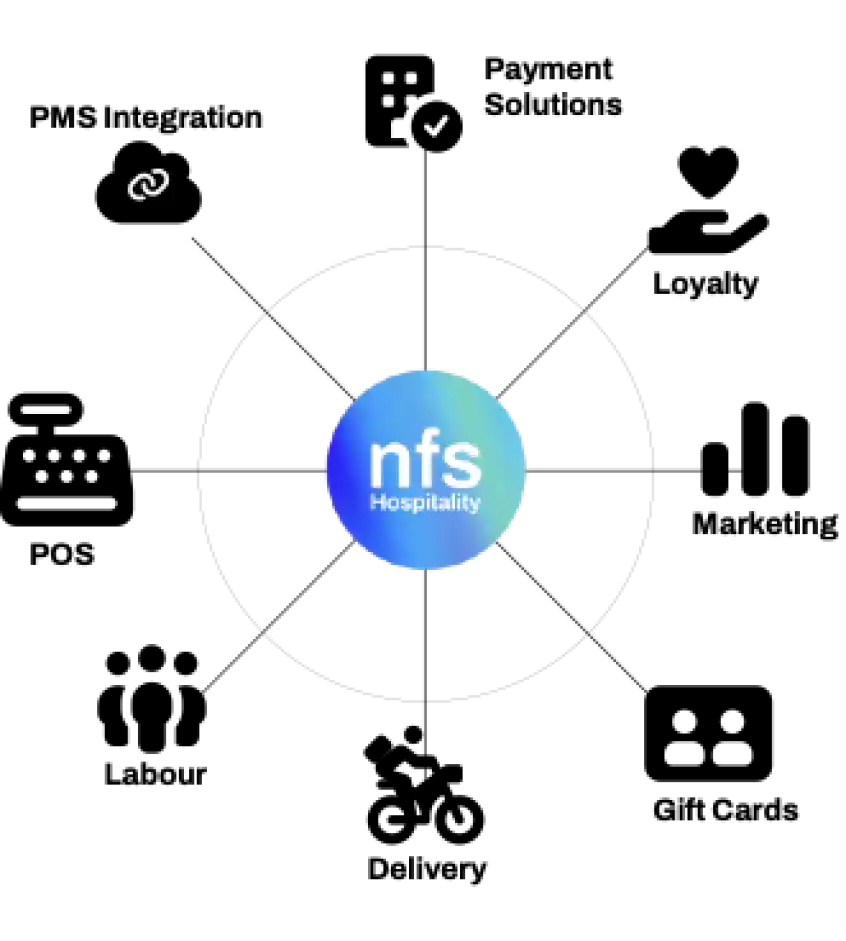
This is where NFS Managed Services comes into its own. It’s not simply about having someone at the end of the phone; it’s having a team that understands tech and hospitality, brings the right partners together, and takes responsibility for the wider picture. In practice, that means real people dealing with real problems, rather than leaving the operator to coordinate several suppliers when they already have enough to deal with.
When everything is working, you shouldn’t have to think about any of this. When it isn’t, you should already know who’s picking up the phone.
Late-night venues will always have their fair share of shenanigans. Chasing tech suppliers at 2:30 am doesn’t need to be one of them.
If you’re looking at how your tech could reduce operational pressure, support a better customer experience, and give your team one less thing to worry about, let’s have a chat.