

















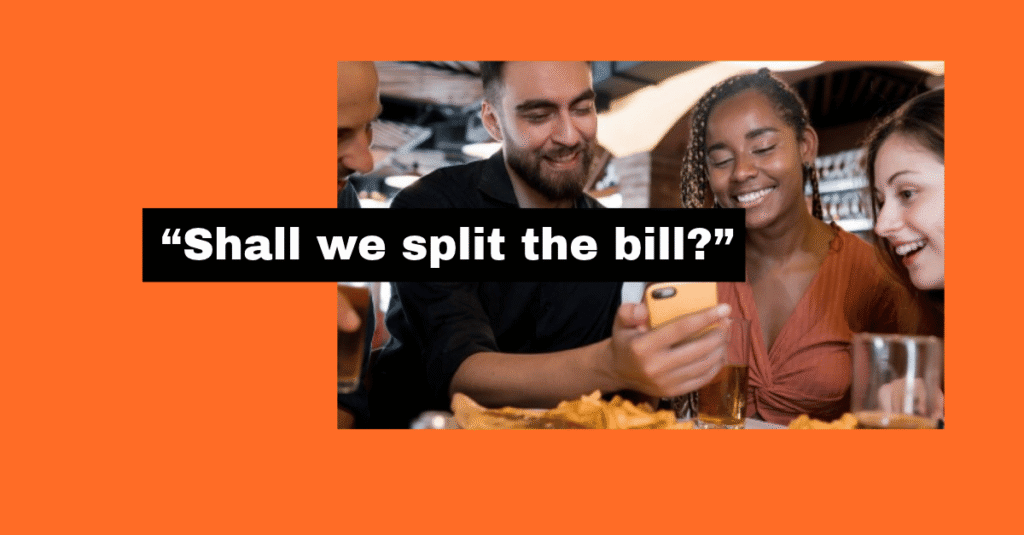
Four words nobody wants to hear at the end of a great meal.
The food was delicious, the service was great, and everyone had a great evening. Then the bill arrives. One person didn’t have a starter, someone else ordered an extra bottle of wine, two people want to pay together, and someone is trying to remember whether they ordered that second beer.
While it’s being sorted, your server is often standing there with a card machine when their attention could be somewhere else, looking after or serving other guests.
The last few minutes still count
A huge amount of work goes into getting the customer experience right, and that shouldn’t stop when the bill arrives.
Waiting to ask for the bill, waiting again to pay, and then working through several different payments can create friction at the end of an otherwise great visit. It also takes someone away from the floor when there are other customers to look after.
With pay-at-table, there’s no app to download. Guests simply scan a QR code, check their bill, split it how they want, add a tip, and pay when they’re ready. What can otherwise become a cumbersome process suddenly becomes much quicker and easier.
It’s about choice, not replacing service
Pay-at-table isn’t about taking people out of hospitality. It’s about giving customers another option while freeing the team to focus on service.
As Steven Littlefair from Fenwick puts it:
“We make the customer experience better by making less mistakes.”
That’s really what pay-at-table should be doing: giving customers an easier way to settle up, while giving the team more time to focus on delivering a great experience.
What does it mean during a busy service?
One table splitting a bill isn’t a problem, but when it happens across several tables during a busy service, the time involved soon mounts up.
Giving customers the option to sort the bill themselves means less back-and-forth for the team, while customers can pay when they’re ready rather than waiting for someone to come back with the card machine.
It isn’t about taking people out of service; it’s about using their time where it matters.
Making life easier on both sides of the table
For NFS, this is where good hospitality tech earns its place. It should help remove unnecessary work from the operation while making the experience easier for the customer. Those two things go hand in hand.
When teams have more time to look after guests, service benefits; when customers have a smooth, enjoyable experience from the moment they arrive to the moment they pay, you’ve given them another reason to come back.
If you’re looking at how payment could work better for your customers and your team, let’s have a chat.